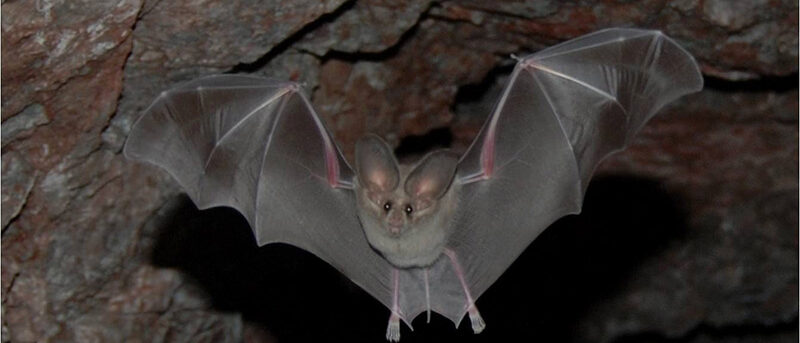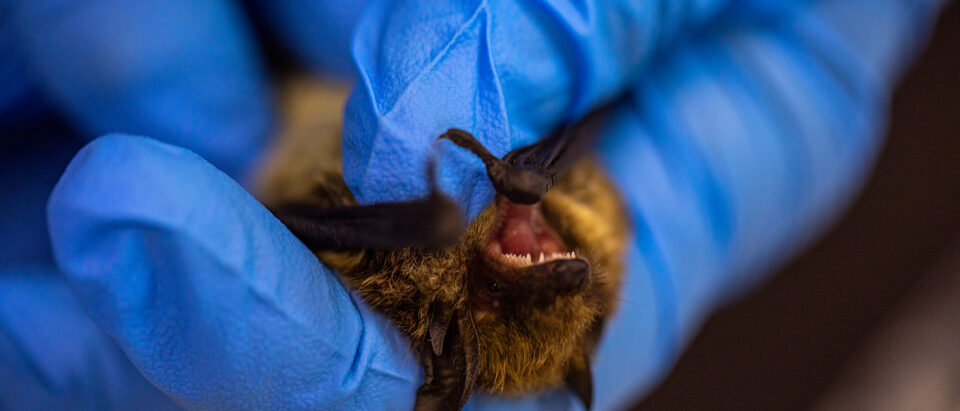

A bat colony in an attic cannot be trapped, poisoned, or sealed inside. Trapping, poisoning, and relocating bats are illegal across much of the country, according to the acceptable management practices published by the federal and state working group on bat control, and every bat species in the United States feeds on insects. The method that works is eviction and exclusion: one-way devices that let the colony fly out at dusk and cannot be re-entered, plus mesh and sealant over every other gap in the roofline.
Bat Conservation International keeps the sequence short. Give the colony a controlled way out, leave that opening in place for seven warm nights, then seal it for good. Do that work between April and September, when flightless pups are still inside, and the pups die in the attic, the adults tear at the house trying to reach them, and in many states you are breaking the law. Before any of this, find every opening the colony uses, because a device on one gap out of four leaves three doors open.
This guide covers ten products that do those jobs: four one-way devices built for different roofline shapes, two rolls of 1/4 inch mesh, an expanding pest foam for irregular gaps, a chimney cap, a ridge vent guard, and copper mesh for the smallest cracks. Every pick is based on manufacturer specifications, published reviews, and reader feedback, never on paid placement.
- One device per opening, counted at dusk: Bat Conservation International calls for an exclusion device on every opening the colony uses. Stand outside 30 minutes before sunset and count the exits before you order anything, because three valves on a roofline with four gaps leaves the colony a way back in.
- 1/4 inch mesh is the line you cannot cross: Entry gaps run as small as 5/8 inch round, or 3/8 inch wide by 3/4 inch long, according to the WNS Conservation and Recovery Working Group management practices. Half inch hardware cloth, which is fine for squirrels, does nothing against a bat.
- April through September is off limits: That is the pup-rearing season across North America, and exclusions performed inside it kill flightless young. In northern states the practical sealing window opens in September and runs to April, when the colony has moved to winter habitat.
- Sealing comes last, after seven warm nights: Mesh, foam, and vent guards are permanent materials. They go on only after the one-way devices have been in place long enough for every bat to leave, and after a second dusk check confirms no re-entry.
Quick Comparison
| Product | Type | Best For | Buy |
|---|---|---|---|
| Mysora One Way Bat Door 12 Pack | One-Way Device | Best Overall | Check price |
| LWPLWA Bat Exclusion Valve 90 Degree | One-Way Device | Best for Soffit Angles | Check price |
| TOPOWN Adjustable Bat Exclusion Device | One-Way Device | Best Adjustable Length | Check price |
| LWPLWA Bat Exclusion Tube | One-Way Device | Best Single Entry Point | Check price |
| Garden Zone 1/4 Inch Hardware Cloth 24 in x 5 ft | Sealing Mesh | Best Sealing Mesh | Check price |
| Trenk 1/4 Inch Hardware Cloth 48 in x 100 ft | Sealing Mesh | Best Bulk Roll | Check price |
| Great Stuff Pestblock Foam 12 oz | Gap Sealer | Best Gap Sealer | Check price |
| QUEYAAM 8 Inch Chimney Cap with Screen | Chimney Cap | Best Chimney Cap | Check price |
| SFNSM Ridge Vent Critter Guard 65.6 ft | Ridge Vent Guard | Best Ridge Vent Guard | Check price |
| Wmmifck Copper Mesh 3rd Gen | Copper Mesh | Best for Small Cracks | Check price |
Detailed reviews of each product, covering construction, mesh size, and where each one fits on a real roofline, follow below.
Best Overall: Mysora One Way Bat Door (12 Pack)
 Best Overall
- Type
- One-way bat door
- Quantity
- 12 devices, 50 screws and wall plugs included
- Installation
- Mount tilted downward past 60 degrees
- Size
- Frame about 10 x 10 cm, 13 cm cone
- Material
- Weather resistant plastic, reusable
Twelve one-way doors in one box is the honest answer to a real house, because a colony rarely uses a single gap. Little brown and big brown bats typically work two to four openings along a roofline, and a pack like this means you cover every one of them in a single order instead of paying the per-unit price of a single valve four times over.
The shape is what does the work. You mount the door tilted downward past 60 degrees so a bat leaving the roofline slides down the cone and cannot get a grip to climb back. The listing also includes 50 screws and wall plugs, which is the part most single-device listings leave out, so you are not hunting for fasteners the night you decide to go up the ladder.
Each frame is roughly 10 by 10 cm with a 13 cm cone, small enough to sit over a gap under eaves, in an attic opening or on a garage wall. The plastic is weather resistant, so the devices can be taken down and reused next season rather than thrown out.
Best for Soffit Angles: LWPLWA Bat Exclusion Valve with 90 Degree Connector
- Type
- One-way bat valve
- Design
- 90 degree right angle connector
- Material
- Weather resistant plastic
- Installation
- Direct mount over the entry gap
- Best for
- Soffit gaps, fascia openings, angled vents
Straight cones assume a straight shot out of the roof. On soffit and fascia gaps the opening faces sideways or downward, and a vertical tube either blocks the exit or leaves the bat hanging in the wind. This valve bends the exit 90 degrees, so the one-way door sits flush against the gap while the opening points down and away.
The body is built to stay outside in all weather and the maker describes it as reusable. The valve plate is the working part: bats pass out through the body, and the plate closes the return path from the outside.
Because the quantity is not stated as a multipack, treat this as a single valve and order one for each angled gap you counted at dusk. Fit it with the valve installation sequence so the plate is not blocked by insulation or guano.
Best Adjustable Length: TOPOWN Bat Exclusion Device
- Type
- One-way bat exclusion door
- Valve
- Galvanized iron plate
- Tube
- Adjustable up to 16 inches, self-supporting with internal steel wire
- Installation
- Screw mount over the gap
- Best for
- Deep overhangs, irregular gaps, cold climates
Roof gaps are not a standard size, and the distance from the opening to clear air changes with the overhang. This device solves that with a self-supporting tube that adjusts up to 16 inches and holds its shape with an internal steel wire, so you can run the exit past an obstruction instead of through it.
The valve itself is galvanized iron rather than plastic, which is the reason to choose this one on a hot roof or in a cold climate. A galvanized plate holds its shape where thin plastic can bow, and it keeps working through freeze and thaw cycles.
The trade off is weight. A metal valve plate and a wire reinforced tube take more effort to position on a ladder, and the assembly is heavier than the plastic cones in this guide. For a single opening that has to reach past a beam, that is a fair exchange.
Best Single Entry Point: LWPLWA Bat Exclusion Tube
 Best Single Entry Point
- Type
- One-way bat exclusion tube
- Quantity
- 1 tube and 4 screws
- Material
- Flexible ducting with one-way door
- Installation
- Screw mount, tube bent to aim down and away
- Best for
- A colony with a single active opening
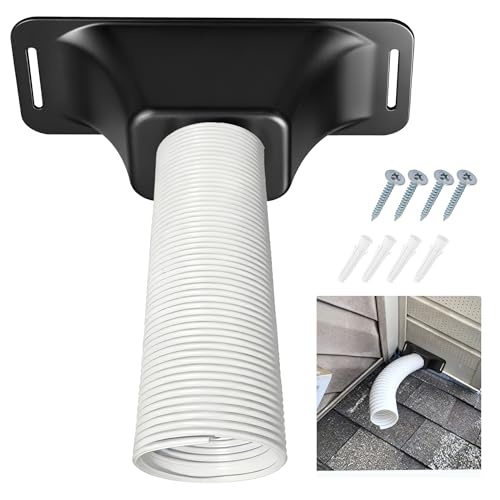
Sometimes the survey comes back with one opening. One gap, one valve, and no reason to buy a multipack. This listing is a single exclusion tube with four screws, which is the smallest sensible kit for a small colony using a single soffit gap or gable vent.
The tube is flexible ducting, so it can be bent and shaped by hand to follow the roof line and aimed downhill, which is how it should sit. A bat leaving the roost slides down and drops clear, and a bat outside cannot climb the flexible wall back to the gap.
Match it to the gap rather than to the colony. A single tube over one opening is enough only if the dusk survey found exactly one active exit. If bats are also using a ridge gap or a chimney, that is a second device and a different material, which is where the sealing walkthrough comes in.
Best Sealing Mesh: Garden Zone 1/4 Inch Hardware Cloth (24 in x 5 ft)
 Best Sealing Mesh
- Type
- Welded wire mesh
- Mesh
- 1/4 inch openings
- Size
- 24 inches tall by 5 feet long
- Material
- 23 gauge galvanized steel
- Best for
- Vents, soffit gaps, small ridge openings
This is the material that makes the exclusion permanent. Hardware cloth with 1/4 inch openings is small enough to stop every bat species in North America, and 23 gauge galvanized wire is stiff enough to hold its shape after it is cut and bent around a vent frame.
The roll measures 24 inches tall by 5 feet long, which is enough for a gable vent, a couple of soffit gaps, and a ridge section. Cut it with tin snips or heavy shears, then fasten it with exterior screws and washers rather than staples, so a determined animal cannot pry an edge loose.
Galvanized wire is the reason this lasts. Bare steel rusts at the cut edges within a season and crumbles where it meets the roof, while the zinc coating keeps the mesh intact for years.
Best Bulk Roll: Trenk 1/4 Inch Hardware Cloth (48 in x 100 ft)
 Best Bulk Roll
- Type
- Welded wire mesh roll
- Mesh
- 1/4 inch openings
- Size
- 48 inches wide by 100 feet long
- Material
- 23 gauge galvanized annealed steel
- Best for
- Long rooflines, barns, porches, multiple openings
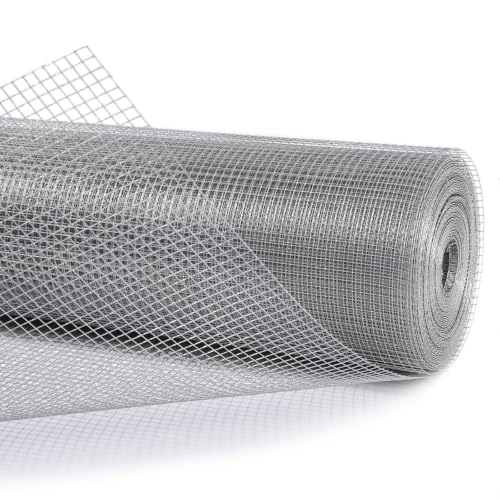
A hundred feet of 1/4 inch mesh is the right buy for an older house with a long roofline, a barn, or a porch where several openings need covering at once. At 48 inches wide, one pass covers a deep soffit run without a horizontal seam, and seams are where exclusions fail.
The wire is galvanized annealed steel with a hot dip zinc coating, welded rather than woven, which keeps the 1/4 inch openings square even when the roll is bent around a corner. The maker also increased the welded area and the zinc layer compared with the previous version, which matters on a roof that sees snow.
The practical downside is handling. A 100 foot roll is heavy, awkward to carry up a ladder, and difficult to cut accurately in the wind.
Best Gap Sealer: Great Stuff Pestblock Foam (12 oz)
 Best Gap Sealer
- Type
- Expanding foam sealant
- Size
- 12 ounce can with reusable dispenser straw
- Expansion
- Up to 1 inch
- Formulation
- Pestblock, for exclusion gaps
- Best for
- Irregular edges around mesh, pipe penetrations, masonry cracks
Mesh covers the openings you can see. Foam closes the ones you cannot: the irregular perimeter around a patch, the gap where a pipe passes through a soffit, the crack along a masonry joint. This 12 ounce can expands up to 1 inch, takes the shape of whatever it is sprayed into, and cures into an airtight seal.
The Pestblock formulation is the version to buy here. It is made for pest exclusion rather than insulation, which means it is intended to fill the gaps animals use, and it cures firm enough to resist being dug out.
Timing matters more than technique with foam. It goes on after the mesh is fastened and after the roost is confirmed empty, never before. Spray a bead around the patch edge, let it cure, then trim it flush if the surface is visible from the ground.
Best Chimney Cap: QUEYAAM 8 Inch Chimney Cap with Screen and Rain Cover
 Best Chimney Cap
- Type
- Chimney cap with mesh screen
- Size
- 8 inch round, adjustable clamp
- Material
- 304 stainless steel
- Features
- Rain and snow cover, mesh screening
- Best for
- Round flues on wood stoves and fireplaces
An open flue is the shortest path from the roof into the living room, and it is the entry point homeowners miss most often. A cap with 1/4 inch screening closes that path permanently while letting the flue vent normally. Bat species that climb, including big brown bats, are the ones that find an uncapped chimney first, which is why chimney entry gets its own checklist.
This model is 304 stainless steel with a conical top that sheds rain and snow, and an adjustable clamp that fits a range of round flue sizes. Stainless is the correct material at a chimney, because galvanized caps pit and rust where combustion gases meet weather.
Measure the flue before ordering. This listing is a single 8 inch round cap, and a rectangular masonry flue or a wider tile needs a different size, not an adapter.
Best Ridge Vent Guard: SFNSM Ridge Vent Critter Guard (65.6 ft x 4 in)
- Type
- Ridge vent exclusion mesh
- Size
- 65.6 feet long by 4 inches wide
- Mesh
- 0.23 inch openings
- Material
- Galvanized steel with black PVC coating
- Included
- 60 nails and washers
- Best for
- Homes with a continuous ridge vent
A ridge vent is a continuous gap along the highest point of the roof, and gaps of that size are exactly what bats look for. This guard is a 65.6 foot strip of galvanized mesh designed to sit under the vent, keeping the ventilation path open while closing the animal path.
The mesh openings measure 0.23 inch, which is inside the 1/4 inch standard, and the strip is 4 inches wide with a black PVC coating over galvanized steel. Sixty nails and washers ship with it, enough to fasten the full length without a second hardware trip.
Two cautions. The strip has to be installed along the ridge, which is the least forgiving part of any roof, and the vent has to be lifted slightly to slide the mesh underneath. If the ridge vent is nailed under the shingles, that is professional territory.
Best for Small Cracks: Wmmifck Copper Mesh (3rd Gen)
 Best for Small Cracks
- Type
- Copper mesh fill
- Material
- Pure copper wool
- Best for
- Utility penetrations, weep holes, siding seams, small cracks
- Use with
- Hardware cloth over larger openings
Copper mesh is the material for cracks too small for hardware cloth and too irregular for foam alone: gaps around utility lines, weep holes, the seam where siding meets brick. It is pure copper, so it does not rust like steel wool, and it cannot be chewed apart as easily as plastic or loose fiber.
The working principle is simple. Stuff the crack tight, layer the mesh so the fibers interlock, and the opening becomes solid. Because copper does not corrode, the fill stays in place for years instead of crumbling into rust flakes that leave the gap open again.
Use it as a supplement, not a substitute. Copper mesh fills a crack. It does not cover a vent or a roofline gap, and it does not replace 1/4 inch hardware cloth anywhere a bat could squeeze through.
How to Choose Bat Exclusion Products
One-Way Devices and Sealing Materials Do Different Jobs
The list above holds two families of products, and mixing them up is the most common mistake. One-way devices are temporary. They fit over active openings, stay in place for at least seven warm nights while the colony leaves, and then come down. Sealing materials, which means hardware cloth, foam, copper mesh, chimney caps, and vent guards, are permanent and go on only after the devices come down.
Buy for the survey, not for the average house. Count the openings at dusk, then order one device for each active exit and enough mesh to close the rest of the gaps you found.
Mesh Size Is the Specification That Decides Everything
Bats pass through openings as small as 5/8 inch round or 3/8 inch wide by 3/4 inch long, which is why 1/4 inch mesh is the working standard and why half inch mesh fails. Half inch hardware cloth, the size sold for squirrels and raccoons, leaves a gap wide enough for a bat to walk through.
Check the listing before you buy. Mesh size appears in the title or the specification bullets on nearly every hardware cloth product, and a listing that does not state it is not worth ordering for a bat job.
The Season, the Law, and the Order of Operations
Exclusion has a season. April through September is pup-rearing across North America, and young bats cannot fly until late summer. Work done in that window traps them inside. The practical sealing season in northern states runs from September, when the colony leaves for winter habitat, through April, and it is the reason maternity season drives the whole calendar.
Check the rules for your state before you buy anything. Many states regulate bat exclusion directly, some restrict the timing or the methods, and trapping, poisoning, or relocating bats is illegal across much of the country. Some species are protected at the federal level and state agencies enforce the rest, which is the short version of my guide to bat protection rules.
Guano is the other reason to slow down. Droppings under an active roost can carry the fungus that causes histoplasmosis, which CDC describes as a lung infection you get by breathing in spores from soil enriched with bird or bat droppings. CDC’s advice is to mist the material with water before you disturb it, avoid dry sweeping, and wear respiratory protection while you work Large accumulations are professional work, and my guano cleanup guide covers the sequence.
When to Call a Professional Instead
Exclusion is a ladder job on the outside of a house, and that is the real limit for most homeowners. Soffit, fascia, ridge vents, and chimneys are all high work, often on a slope.
Call someone for large colonies, for protected species, for guano accumulation, or for any roofline you cannot reach safely. A professional also carries the permits and the insurance, and the cost comparison against doing it yourself is usually closer than homeowners expect once ladder rental and materials are counted.
Frequently Asked Questions
One for every opening the colony uses. Count them at dusk, standing outside about 30 minutes before sunset, and mark each exit. A house with four active gaps needs four devices, and a multipack is usually cheaper than buying singles. Missing one opening means the colony re-enters the same night.
No. Bats use openings as small as 5/8 inch round or 3/8 inch wide by 3/4 inch long, so 1/2 inch mesh does not close the gap. Use 1/4 inch mesh for every permanent seal. If a listing does not state the mesh size, assume it is too large.
Outside the pup-rearing season, which runs from April through September across North America. In northern states the practical window opens in September, once the colony leaves for winter habitat, and runs until April. Check with your state wildlife agency, because several states regulate the timing and the methods directly.
The devices stay up only while bats are active, and bats are not active in cold weather, so the working season and the cold season do not overlap in most of the country. Sealing materials go on outside the active season, and galvanized metal handles freeze and thaw cycles better than thin plastic.
Many homeowners can install one-way devices and mesh on a single story roof. Call a professional for multi-story work, steep or fragile roofs, larger colonies, protected species, or any guano accumulation. Ladder falls cause most bat exclusion injuries, and permits are the other reason to hand the job off.
That should never happen, because sealing follows seven warm nights of confirmed exits and a second dusk check. If you do find a bat inside, open the exit path again immediately, do not handle the animal, and contact a wildlife professional or your state agency. Bats sealed inside die in the attic and can create a serious odor and health problem.