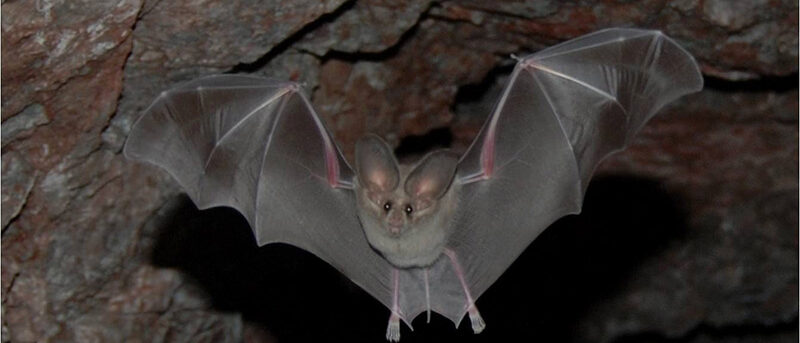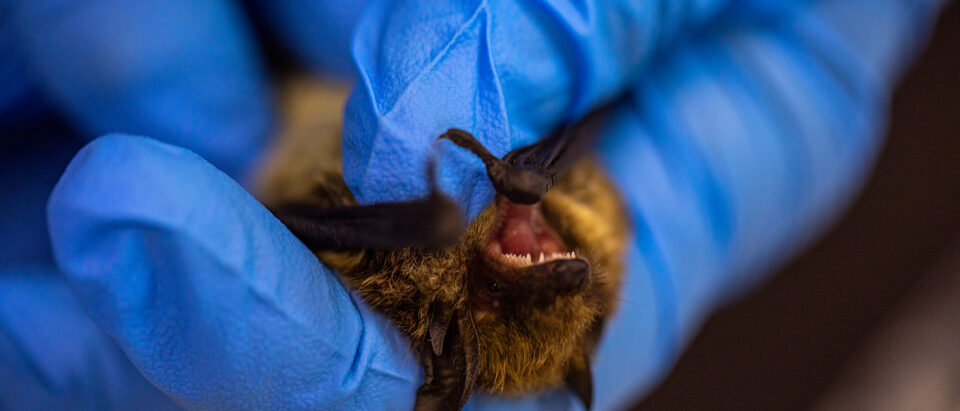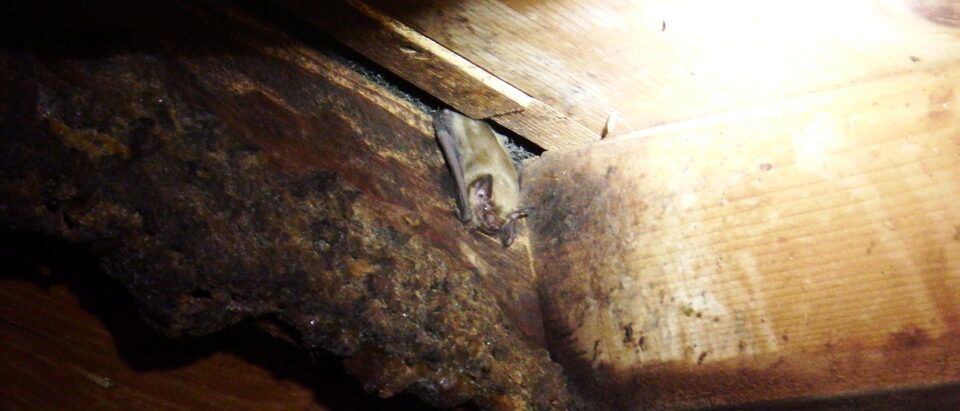

Bat maternity season is the stretch of year when you legally can’t seal bats out of your home, and there’s a good reason for it. From late spring through summer, mother bats raise babies in attic colonies, and sealing the entry points traps those babies inside, where they starve and die. Then you’ve got dead bats in your walls, plus flies and a smell, on top of the legal trouble. I’ll explain when this window runs, why exclusion is off-limits, and what you can actually do about it.
Disclaimer: Bats are protected under federal and state wildlife laws in most places. Several species are federally listed, and most states restrict exclusion during maternity and hibernation seasons. Check with your state wildlife agency or a licensed wildlife professional before doing any exclusion work.
- Maternity season runs roughly May through August. Exact dates vary by region and species, so check your state’s dates before scheduling anything.
- Exclusion traps flightless babies. Newborn bats can’t fly for weeks. Sealing the entry kills them and leaves you with a cleanup problem.
- You can still inspect, watch, and prepare. Maternity season is the right time to find entry points and get ready.
- Exclusion opens up in late summer. Once the pups are flying, one-way doors and sealing can start, and that window closes again before hibernation.
When Is Bat Maternity Season?
Broadly, bat maternity season runs May through August across most of the US, but the exact dates depend on your region and the bat species in your attic.
Florida is a good example of how specific it gets: the state runs its bat maternity season from April 15 through August 15, and treats that whole window as off-limits for exclusion. Other states set their own dates, and they don’t all line up. Some start in early May and run through mid-August, a few southern states start earlier, and northern states can shift later.
The point isn’t to memorize every state’s dates, it’s to look up your own. Your state fish and wildlife agency publishes the exact window, and that’s the number that matters.
Female bats usually give birth to one or two pups in late spring. The pups nurse for a few weeks and start taking short practice flights around four to six weeks of age. They aren’t truly independent until they can hunt on their own, a little while after those first flights.
Why You Can’t Exclude Bats During Maternity Season
The Babies Can’t Fly
Newborn bat pups are completely dependent on their mothers. They’re born hairless, blind, and unable to fly for the first several weeks. If you seal the entry while the mother is out hunting at night, you trap the pups inside.
The mother will circle at dusk, crawl along the roofline, and call for her young, but she can’t get back in. The pups die of dehydration and starvation within days.
Dead Pups Create a Sanitation Mess
Dead bats in an enclosed attic rot fast. The carcasses draw flies and beetles that can then spread into the rest of your home, and the smell can hang around for weeks, often needing professional cleanup even after the bodies are removed.
The Legal Risk Is Real
Bats are protected under several layers of law. The federal Endangered Species Act protects listed species, including the Indiana bat and the northern long-eared bat, and makes it illegal to harm or harass them. Penalties can be serious.
Even for bats that aren’t federally listed, most states prohibit exclusion during maternity season. Seal an entry during the protected window and you can face fines and an order to fix the damage.
What You Can Do During Maternity Season
You can’t seal them out, but you can set yourself up to move fast the day it becomes legal.
Inspect the Exterior
Walk the perimeter at dusk and watch where the bats leave. Common entry points are loose soffit vents, gaps at the ridge cap, gable vents, chimney crowns, and spots where siding meets the roofline. Note every gap larger than about 3/8 inch, bats can squeeze through a gap the width of a pencil eraser.
Watch the Activity
Count how many bats come out each evening. A small colony of a dozen or two is often a manageable DIY job once the season ends. A colony of a hundred or more usually needs a pro. Write the entry points on a sketch of your roofline so you don’t forget where to work.
Put Up a Bat House
A bat house gives the colony somewhere to go after you exclude them. Mount it on a pole or the side of a building, 12 to 20 feet up, facing south or southeast for sun. Give it some distance from the entry point they’re using. It’s cheap insurance that the colony relocates instead of forcing its way back in.
Stock Up on Supplies
Gather what you’ll need now: 1/4 inch hardware cloth, galvanized mesh, caulk, and a one-way exclusion valve. Having it on hand means you can seal the whole house the same day exclusion becomes legal, before the hibernation window closes.
When Exclusion Can Resume
Exclusion can usually start again once the pups are flying and the colony starts to break up, typically mid-August into September, depending on your region and the species. For the most common attic bats, the window tends to open around mid-August and run into early fall.
The standard method is a one-way exclusion valve fitted over the entry point. It lets bats leave but not return. After several days with no activity, the valve comes off and the gap gets sealed permanently with hardware cloth and caulk.
After that, clean the guano and sanitize the attic. And if you miss the late-summer window, most bats head into hibernation in the fall, and disturbing them then is also restricted in many states. You may have to wait for the next spring.
Sealing bats into your attic during maternity season breaks state and federal wildlife laws in most places. If you’re not sure whether exclusion is legal where you are, call your state wildlife agency or a licensed wildlife control operator.
Frequently Asked Questions
Yes. A single bat that gets into your living space isn’t the same as excluding a colony. Put on thick leather gloves, contain it in a box, and release it outside at dusk. If you’re finding bats inside regularly, that points to a bigger roost and a pro should take a look.
Squeaking or scratching at dusk and dawn, small dark droppings building up on walls or windowsills, an ammonia smell near the entry points, and dark staining around vents or roof edges are the usual signs. Watch the roofline at sunset and you may see them leaving.
Call a licensed wildlife professional right away. Don’t rip the seal back off yourself, you may let more bats in. A pro can install a one-way device that lets the trapped bat out without letting others in.
Yes, when they’re installed right. A bat house mounted 12 to 20 feet up on a south or southeast face, getting several hours of direct sun, often gets occupied within a season or two in a good spot. It gives a displaced colony somewhere to go.
For a small colony with one accessible entry point, DIY exclusion after the season ends is doable if you use one-way valves and seal everything properly. For a large colony, a high roost, or bats in walls, hire a pro. Getting it wrong means dead bats, legal trouble, and a bigger bill than if you’d called someone from the start.
The Bottom Line
You can’t exclude bats during maternity season, and trying anyway kills babies and risks real legal penalties. Use the waiting period to find the entry points, watch the colony, put up a bat house, and gather supplies. Then, once the pups are flying and your state says it’s legal, seal everything in one go.