
A bat flying out of your fireplace is a good way to ruin an evening. I know, because I have had it happen. Uncapped chimneys are one of the most common ways bats get into homes, and the fix is usually simple once you know how to do it right.
The key thing to understand is that chimney bats are often discovered by accident, when one drops into the firebox or flaps into the living room. Here is how they get in, how to get them out without hurting them, and how to make sure they never come back.
- Bats get in through uncapped chimneys and roost on the rough walls inside the flue.
- Never light a fire to drive them out. Smoke and heat kill them, and dead bats stink.
- The only permanent fix is a stainless steel chimney cap with small mesh.
- Many bats are protected, and you generally can’t exclude them while they are raising young. Check the timing before you act.
How bats get into chimneys
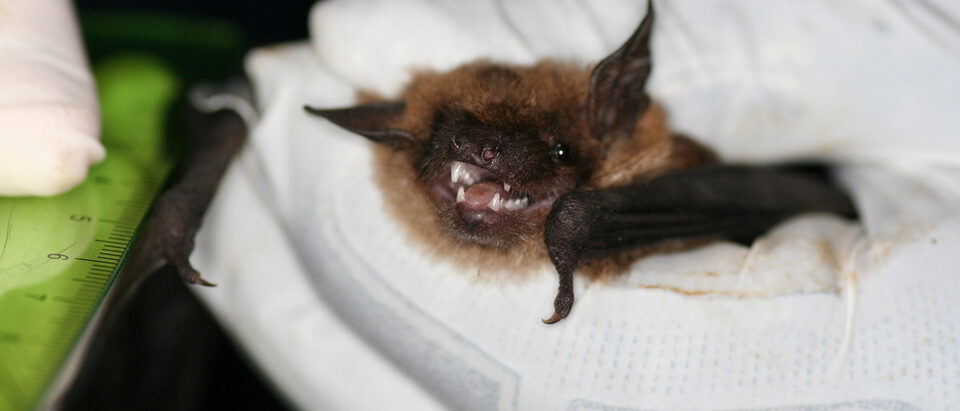
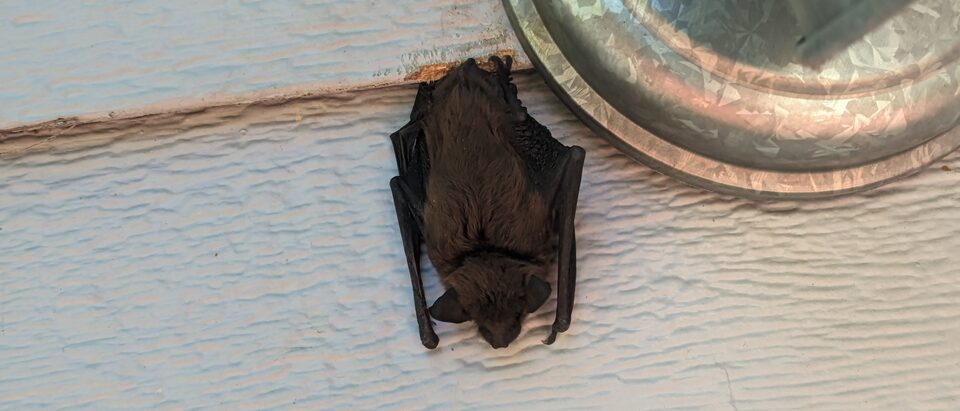
Bats enter through the open flue at the top of the chimney. Big brown bats and little brown bats, the two species you are most likely to find in a house, can grip the rough surface of brick or clay flue liners and climb down inside.
Without a cap, the flue is wide open. A spark arrestor or rain cap with wide openings will not stop them, because a bat can squeeze through a gap smaller than you would believe. The only reliable barrier is a cap with small mesh screen, roughly a quarter inch.
Signs of bats in your chimney
- Droppings on the smoke shelf. That is the ledge just above the damper, and guano collecting there means bats have been roosting.
- Rub marks on the flue walls. Bats leave dark, oily streaks from their fur where they squeeze in and out.
- Droppings in the firebox. If you find guano in the fireplace itself, the roost is right above you.
- Scratching or squeaking at dusk and dawn. That is when they are waking up and heading out.
- Bats leaving the chimney at sunset. Sit outside and watch the top of the chimney for a few evenings. This is the most reliable confirmation there is.
How to remove bats from a chimney
Chimney bat removal works the same way as attic removal: let them leave, then block the door behind them.
- Make sure you are dealing with bats and not birds. Chimney swifts and other protected birds also use chimneys, and the rules are different. If you are not sure, get a pro to look.
- Install a one-way exclusion device at the top. A bat valve or tube lets bats climb out but stops them climbing back in.
- Wait for them to clear out. Bats leave at dusk to feed. Over a few nights, the chimney should empty out. Watch the top at dusk to confirm no more are coming out.
- Cap the chimney. Once they are gone, seal the flue with a stainless steel cap and small mesh. Measure the flue first so the cap actually fits.
- Clean up the guano. Wear a respirator and gloves, and clean the smoke shelf and damper. Guano dust is not something you want to breathe.
Why not to DIY this one if you can avoid it
Chimney work means getting on the roof, hauling a cap up a ladder, and leaning over the flue. If you are not comfortable with heights, or the chimney is more than a story up, hire a licensed wildlife exclusion pro. A fall from a roof costs a lot more than a service call.
Choosing a chimney cap
Not every cap keeps bats out. Look for:
- Stainless steel, so chimney gases and weather don’t rust it out.
- Small mesh screen, around a quarter inch, which is fine enough to exclude bats.
- A rain cover, to keep water out of the flue.
- Mounting hardware that matches your flue type, so it actually stays put.
Frequently Asked Questions
Yes. A closed damper is not airtight, and bats can squeeze through the gaps around it. The only reliable fix is a mesh cap on top of the chimney.
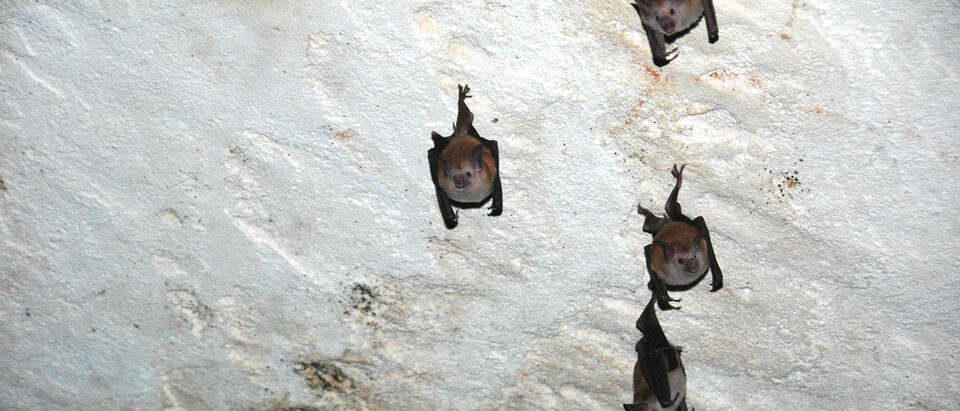
Usually fewer than in an attic colony. A chimney roost might hold a handful of bats, though bigger roosts happen in some regions. The exact number does not change the fix: exclude, then cap.
Most chimney sweeps are not licensed to handle wildlife. They can install a cap once the bats are gone, but the exclusion itself usually needs a wildlife control operator.
Caps themselves are not expensive, though the price climbs with stainless steel and larger flue sizes. Installation is the bigger cost if you hire someone, because it involves roof work. Get a couple of quotes if you want a pro to do it.
They generally don’t share the same roost at the same time. Chimney swifts are protected, so before you do anything, make sure you know which animal you are dealing with.
The Bottom Line
Bats in a chimney are a nuisance, not a crisis. Let them leave on their own through a one-way device, then cap the chimney with fine mesh. Skip the smoke and the fire, and don’t attempt exclusion while they are raising young. The cap is the whole trick, and it works for good.