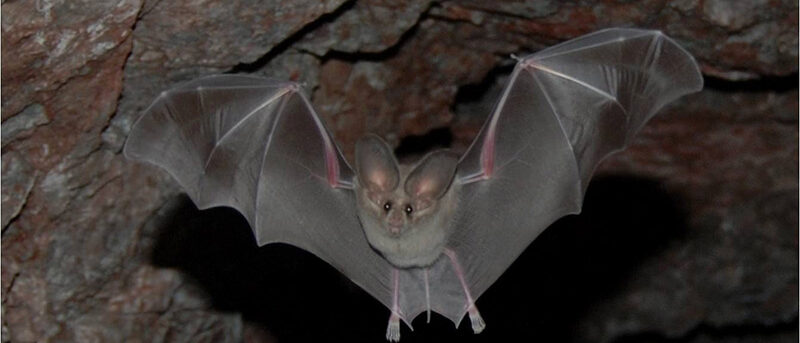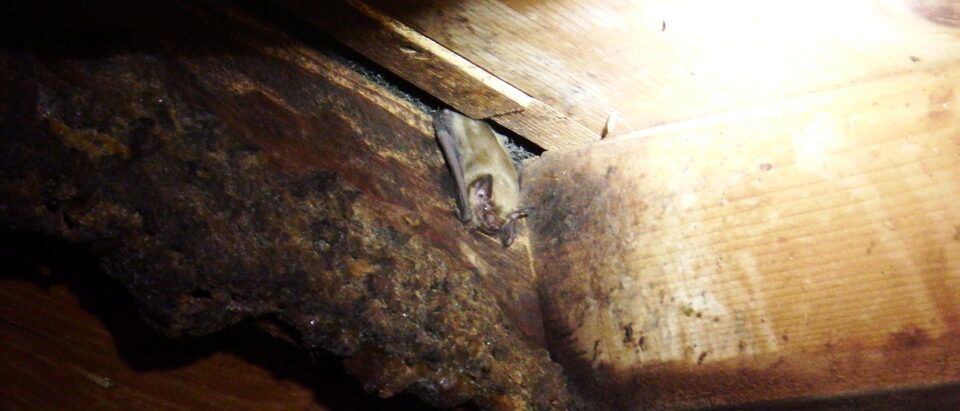

Scratching and squeaking in your attic around dusk almost always means bats. A bat colony is more than a nuisance. It brings guano and a small rabies risk, and in most states bats are legally protected, which changes how you have to deal with them.
This guide walks through how to confirm bats are up there, how to get them out the legal way, and how to seal things up so they stay out.
One thing up front: In most of the United States you cannot kill, poison, or trap bats. Exclusion is the only lawful way to remove them. Check your state’s wildlife agency rules before you start, especially around maternity season.
Signs of Bats in the Attic
Bats leave at dusk to feed and come back before dawn. They are quiet during the day, so a colony can live above you for months before you notice. Here are the four signs I look for.
Bat Droppings (Guano)
Guano is the clearest sign. Bat droppings are small, dark pellets that crumble into fine powder when you crush them. Unlike mouse droppings, guano is dry and full of insect parts.
You will find piles of it on insulation, on floorboards, and along the outside wall where bats squeeze in and out. Big buildups carry a risk of histoplasmosis, a lung infection you can get from breathing spores from the droppings. Start with the noise identifier if you have not seen the animal yet.
Squeaking and Scratching at Dusk
Bats make high-pitched squeaks and a soft chattering you can sometimes hear as clicks. Stand in the attic or near the outside wall about 15 to 30 minutes after sunset. Scratching, rustling, or squeaking from inside the wall means bats are awake in the roost.
Brown Stains at Entry Points
Bats can squeeze through a gap as small as a quarter inch. Over time, the oil and dirt from their fur leaves dark, greasy stains around the edges of their entry holes. Look at soffits, rooflines, gable vents, chimney flashing, and fascia boards.
A Strong Ammonia Smell
A heavy ammonia smell in the attic points to a big colony. Bat urine and guano break down into ammonia. If you can smell it from the attic access door, the buildup is serious and the cleanup needs a professional.
Why Bats Are Protected
Bats are protected in nearly every state, and for good reason. One bat can eat a huge number of insects in a single night, including mosquitoes and crop pests.
The protections also exist because bat numbers have fallen hard from habitat loss and white-nose syndrome, a fungal disease that has killed huge numbers of hibernating bats across North America.
Maternity season runs roughly April through August, depending on the state. During that stretch, female bats gather in colonies to give birth and raise pups that cannot fly for their first several weeks.
If you seal the entries during maternity season, you strand the mothers outside and the babies inside to starve. That is illegal as well as cruel. In most states you cannot do exclusion work during maternity season unless a professional confirms there are no pups.
Because of all this, exclusion is the only lawful removal method. A one-way valve lets bats leave to feed but blocks them from coming back. Done right, it is humane and it works.
How to Remove and Exclude Bats
Here is the order I would do it in.
Step 1: Find the Entry Points
At dusk, walk the outside of your home with a flashlight and watch where bats come out. They can fit through a gap the size of a quarter. Common entries are roofline gaps, loose soffits, unscreened gable vents, chimney cracks, gaps around flashing, and where siding meets the roofline.
Mark every likely entry with chalk or tape so you do not miss one when it is time to seal. Then check the attic for light showing through cracks that line up with the marks.
Step 2: Install One-Way Exclusion Valves
A one-way valve, sometimes called a bat cone, is a funnel-shaped device you fit over an entry hole. Bats push out through the wide end but cannot get back in through the narrow tip.
Put a valve over every active entry you found. Secure it with caulk or staples so it stays put. Do not put a valve on a hole you are not sure is active. Follow the manufacturer’s instructions so bats can still get out freely.
Step 3: Wait a Few Days
After the valves go up, wait at least three full days, and up to a week, so every bat has left. Check the valves at dusk to confirm bats are still exiting. During the day, listen for squeaking from inside.
If you hear babies crying, the colony has pups and you need to stop and call a professional. The best windows for exclusion are spring before maternity season and fall after pups can fly, before bats settle in for winter.
Step 4: Seal Every Entry Point
Once you are sure the bats are gone, take the valves down and seal every entry for good. Quarter-inch hardware cloth is the standard. Bats cannot fit through mesh that small.
For cracks and gaps, use caulk and expanding pest-block foam. Put chimney caps with mesh screens on every flue. Repair loose soffits and rotted fascia. Bats come back to the same roost year after year, so one missed gap means they find their way in again.
Step 5: Clean the Guano
Do not sweep or use a regular shop vacuum on guano. That blows spores into the air. Use a HEPA-rated vacuum, and wear an N95 respirator or better, gloves, goggles, and coveralls.
Mist the guano lightly with water first to keep dust down. Pull out contaminated insulation and replace it. If the buildup is more than a few square feet, hire a professional cleanup crew with the right HEPA gear.
Do not seal bats in during maternity season, roughly April through August. Trapping a mother away from her pups, or sealing babies inside, is illegal in most states and leaves a rotting smell inside your walls. If you think pups are present, stop and call a licensed wildlife professional.
Frequently Asked Questions
Some species hibernate or go into torpor in winter and stay put. Others move to a deeper part of the structure or migrate. If bats are in your attic in winter, wait until spring when they are active again and can leave through a one-way valve.
It varies a lot. A small group might be a dozen or two. A maternity colony can run into the hundreds. Count how many exit at dusk to get a rough idea, and look at how much guano has piled up.
It depends on how big the mess is and how much insulation has to come out. For anything large or hazardous, hire a professional so you are not breathing histoplasmosis spores. Get a quote from a licensed cleanup company.
Bats are the main rabies source in the United States, but the risk stays low if you do not handle them. Never touch a bat with bare hands. If a bat turns up in your living area, or a person or pet has been bitten, call animal control right away.
No. A bat house gives displaced bats an alternative roost after exclusion is done, but it will not convince bats to leave an existing roost. Exclusion valves and sealing are the only ways to actually remove them.
It depends on the colony size, the number of entry points, the roof, and how much guano cleanup is needed. An inspection is the best way to get a real number. Look for a company that specializes in wildlife exclusion.