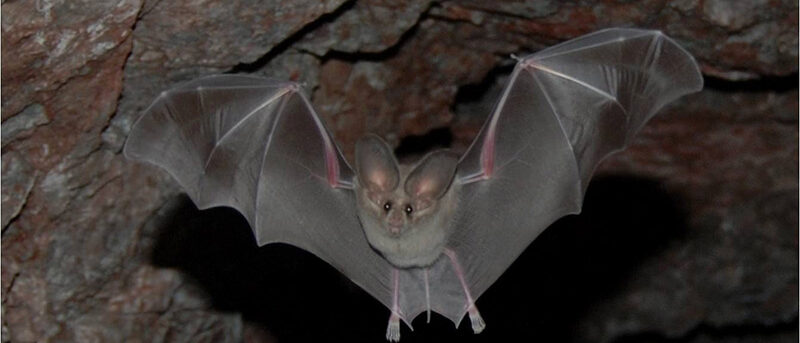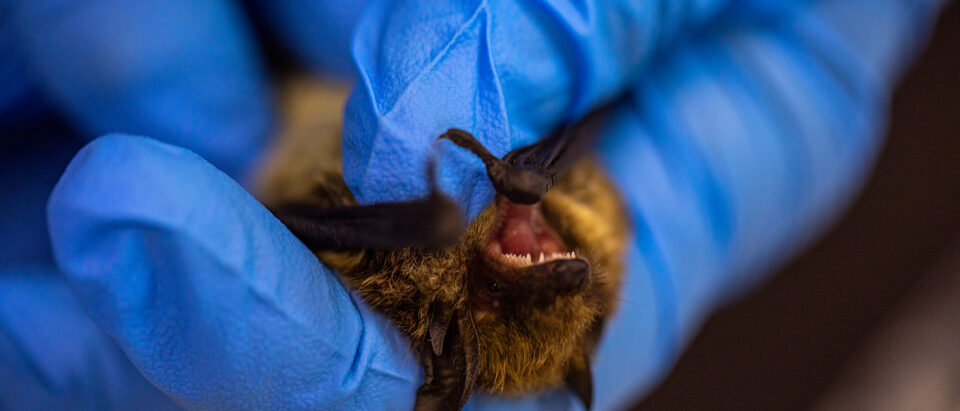

Bat guano is not like other animal droppings. It can carry histoplasmosis, a lung infection you get from breathing in fungal spores, and it can turn fatal if enough of those spores get into your lungs. The guano piles up under roosts, and as it dries it releases microscopic spores into the air. Here is how I clean it without gambling with my lungs.
This is for information only. Cleaning bat guano carries real health risks, including histoplasmosis, which can be a serious respiratory disease.
If you have a weakened immune system, are pregnant, or the guano covers more than a small area, do not do this yourself. Call a licensed hazmat or remediation professional.
The Short Version
- The main danger is histoplasmosis. Dry guano releases fungal spores that cause lung infections when you breathe them in.
- Wet method only. Never dry-sweep or vacuum guano with a normal vacuum. Mist it down first so the spores stay on the ground.
- Real PPE, no exceptions. A properly fitted respirator, nitrile gloves, disposable coveralls, and eye protection.
- Big piles need a pro. Heavy buildup calls for a hazmat crew with industrial equipment.
Why Bat Guano Is Dangerous
Bat guano is not ordinary waste. As it piles up in attics, barns, and crawl spaces, it creates the perfect home for the fungus that causes histoplasmosis. When the guano dries and gets disturbed, even by foot traffic or a draft, spores go airborne.
How Histoplasmosis Spreads
Histoplasmosis comes from breathing in fungal spores. The fungus thrives in soil rich with bat or bird droppings, and a concentrated guano pile inside a house is an even hotter risk zone. The spores are small enough to get past your upper airway and settle deep in your lungs.
Here is a key distinction. Rabies comes from a bat bite or scratch. Histoplasmosis comes from the guano, not the bat itself. But both risks exist when bats are in a structure, so treat both seriously.
Symptoms to Watch For
Symptoms usually show up a few days to a couple of weeks after exposure and can include:
- Fever, chills, and night sweats
- Dry cough or chest tightness
- Fatigue and muscle aches
- Joint pain and skin rashes
In severe cases, especially in people with weak immune systems, the infection can spread beyond the lungs. If you suspect exposure, see a doctor.
Never Dry-Sweep Bat Guano
Dry-sweeping, dry-vacuuming, or using a leaf blower near guano is the single biggest mistake people make. It kicks a cloud of spores straight into your breathing zone.
Always use the wet method: mist the guano lightly, do not soak it, then remove it carefully. A normal household vacuum just blows spores out its exhaust. Only a true HEPA vacuum rated for hazardous dust is safe.
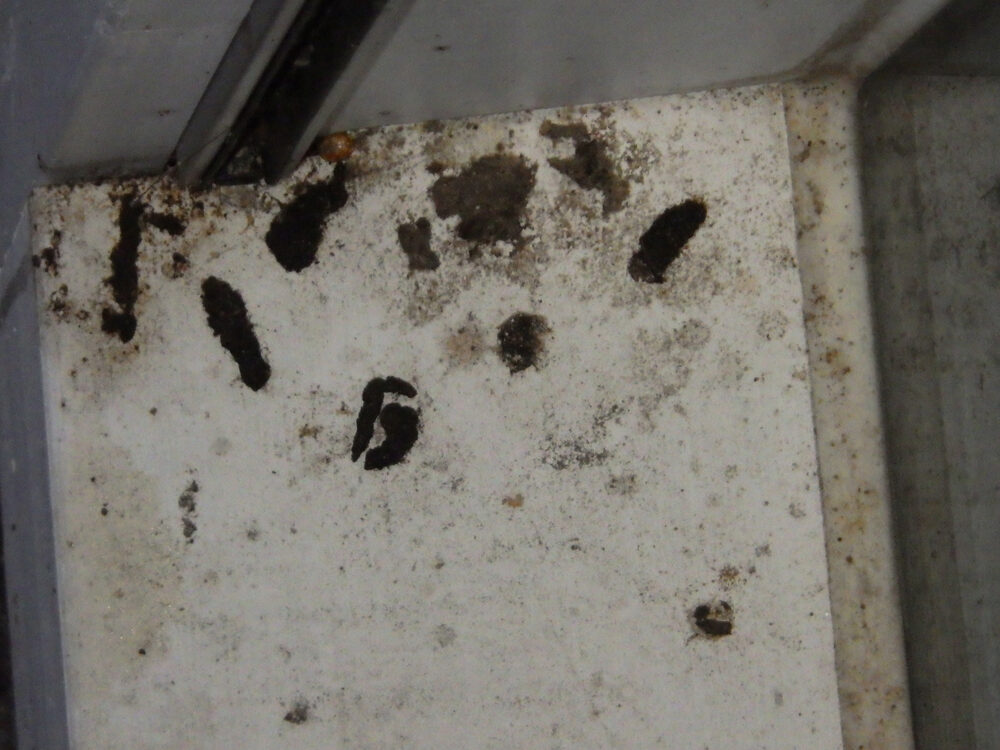
Bat guano
Step by Step Guano Cleanup
Do these in order, and do not enter the contaminated area without your PPE on.
Step 1: Put On Full Personal Protective Equipment
Before you go in, put on:
- A properly fitted N-100 or P-100 respirator, not a surgical mask or basic dust mask
- Nitrile gloves, not latex or cloth
- Disposable coveralls with a hood that you can peel off without spreading contamination
- Safety goggles or a full-face respirator
- Disposable boot covers or shoes that stay in the work area
Step 2: Mist the Guano Down
Mix a diluted bleach solution, roughly one part household bleach to nine parts water, in a sprayer or spray bottle. Lightly mist the guano piles, do not soak them, or water can seep into ceilings and walls. Let it sit a few minutes to settle the surface spores. Work slowly and avoid splashing.
Step 3: Scoop and Double-Bag the Waste
Use a plastic scoop or disposable dustpan to lift the damp guano into heavy-duty trash bags. Double-bag every load, one filled bag inside a second, and seal each with a twist tie. Use 6-mil or thicker contractor bags, and wipe down the outside of each bag with disinfectant before it leaves the work area.
Step 4: Disinfect All Surfaces
After the visible guano is gone, wipe or spray every surface in the area with the diluted bleach solution. This means floorboards, joists, rafters, walls, and any insulation the guano touched. Heavily contaminated insulation should be bagged and removed, not cleaned in place.
Step 5: HEPA Vacuum for Final Cleanup
Once the area is dry, use a HEPA vacuum rated for hazardous materials to go over every surface. A standard shop vac is not enough, the vacuum has to be sealed and rated for fine particles including fungal spores. Get into cracks and between floorboards, then dispose of the filter and bag in double-bagged trash.
Professional Cleanup for Large Amounts
If the guano is deep, covers a large area, or has been there for years, call a professional remediation service. They use industrial HEPA vacuums, negative air pressure, and foggers that are beyond DIY gear.
Cost varies a lot depending on how bad the contamination is, but a botched DIY cleanup can land you in the hospital, which costs far more than doing it right the first time.
Frequently Asked Questions
Yes. The main risk is histoplasmosis, a lung infection from breathing in spores released by dry guano. Without a proper respirator, those spores can cause flu-like symptoms that turn into a serious lung infection.
A diluted bleach solution, roughly one part bleach to nine parts water, applied as a light mist and left to sit for a few minutes, helps settle surface spores. For porous surfaces like wood and insulation the bleach may not soak deep enough, which is why badly contaminated insulation should be removed rather than treated.
Once disturbed in an enclosed space, spores can hang in the air for a while, and in attics with poor ventilation they can linger for hours. That is exactly why the wet method matters, it keeps the spores from going airborne in the first place.
If the pile is deep, covers a large area, or has been building up for years, hire a pro. They have industrial equipment that DIY gear cannot match. For a small, isolated pile near an entry point, careful DIY cleanup with full PPE and the wet method can be enough.
No. Regular vacuums, even household HEPA models, are not sealed for hazardous dust. They blow fine spores out the exhaust and spread them through the house. Only use a vacuum rated for hazardous materials with a true HEPA filter.
Medical Disclaimer
This page is for education only and is not medical or professional remediation advice. Talk to a doctor about health concerns and a licensed remediation pro for guano cleanup. If you think you have been exposed to histoplasmosis, contact a healthcare provider right away.