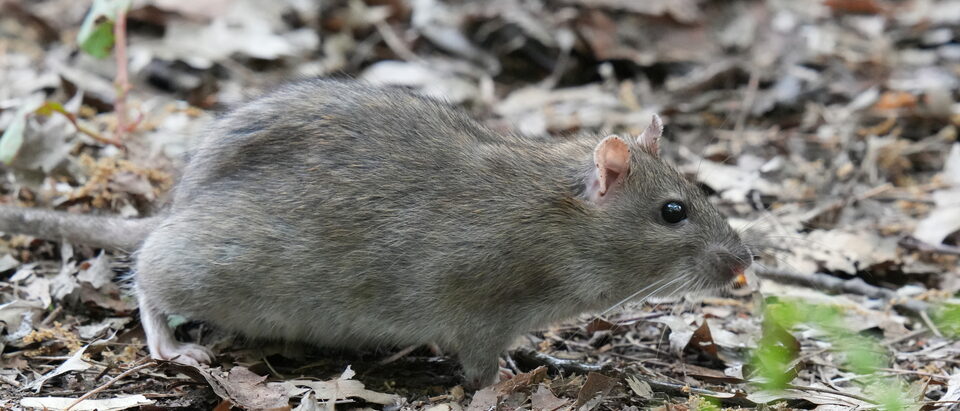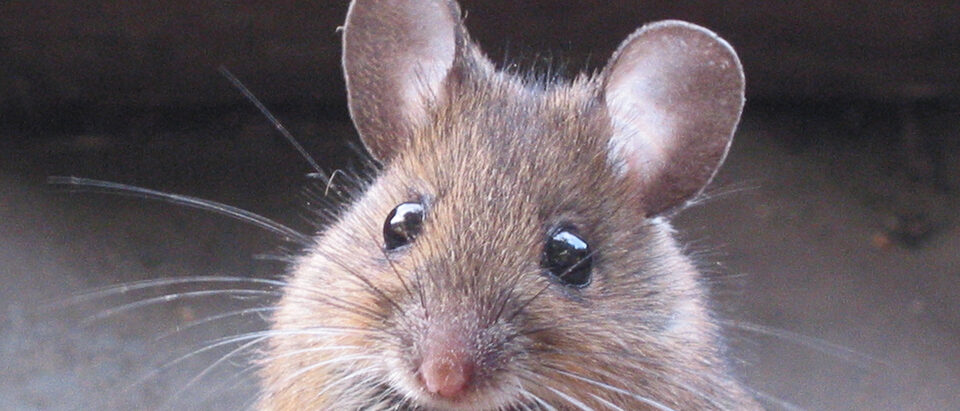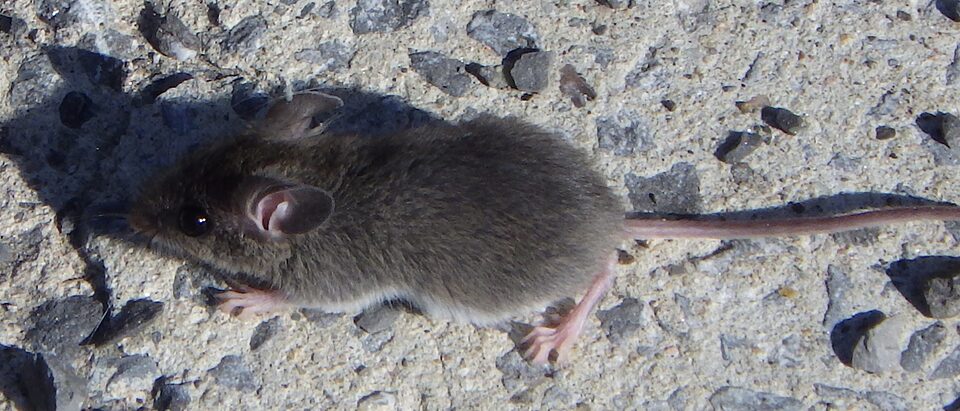

The sounds rodents make inside your walls can tell you which species you are dealing with and how many there are. Rats and mice make different sounds. Learning to identify them helps you assess the infestation without seeing the animals.
- Rat sounds: Heavy thumping, scratching, and gnawing. Rats are heavier and make louder sounds.
- Mouse sounds: Light scratching, scurrying, and squeaking. Mice are lighter and make quieter, higher-pitched sounds.
- Timing: Both are nocturnal. Sounds are most noticeable at night when the house is quiet.
- Location: Rats in walls: heavy scratching. Mice in walls: light scurrying. Rats in attic: thumping.
- What to do: Identify the sounds to determine the species. Then use the appropriate control methods.
Rat Sounds
Rats are heavy animals. A Norway rat running across an attic sounds like a much larger animal. Rat sounds include: heavy thumping and scratching, loud gnawing on wood and wires, squeaking and fighting sounds, and dragging sounds as rats move nesting material. If you only have the sound to go on, the attic noise identifier narrows it down in three questions.
Mouse Sounds
Mice are light and quick. Their sounds are quieter and higher-pitched: light scratching and scurrying, high-pitched squeaking, and gnawing on softer materials. Mice sounds are often mistaken for bats. The key difference is timing: bat sounds occur at dusk and dawn; mouse sounds occur throughout the night.
How to Tell the Difference
Rats: louder, heavier, lower-pitched. Mice: quieter, lighter, higher-pitched. Rats: thumping. Mice: scratching. If you hear sounds during the day, you may have a large infestation or a rodent that has been disturbed.
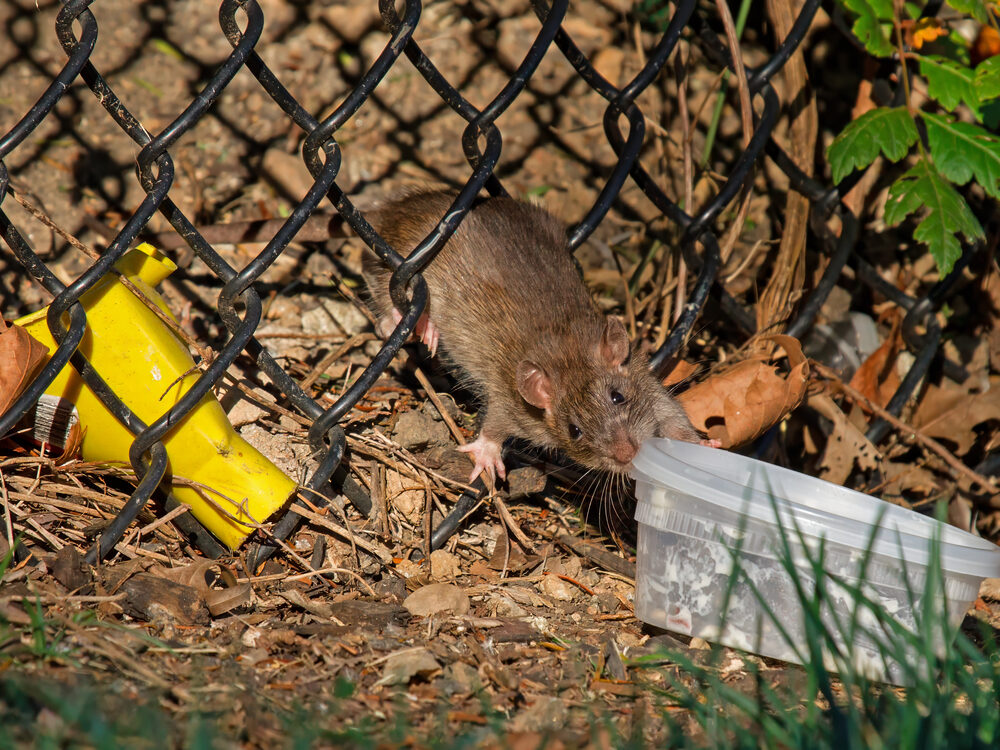
Norway rat. Photo: Chuck Homler, CC BY-SA 4.0
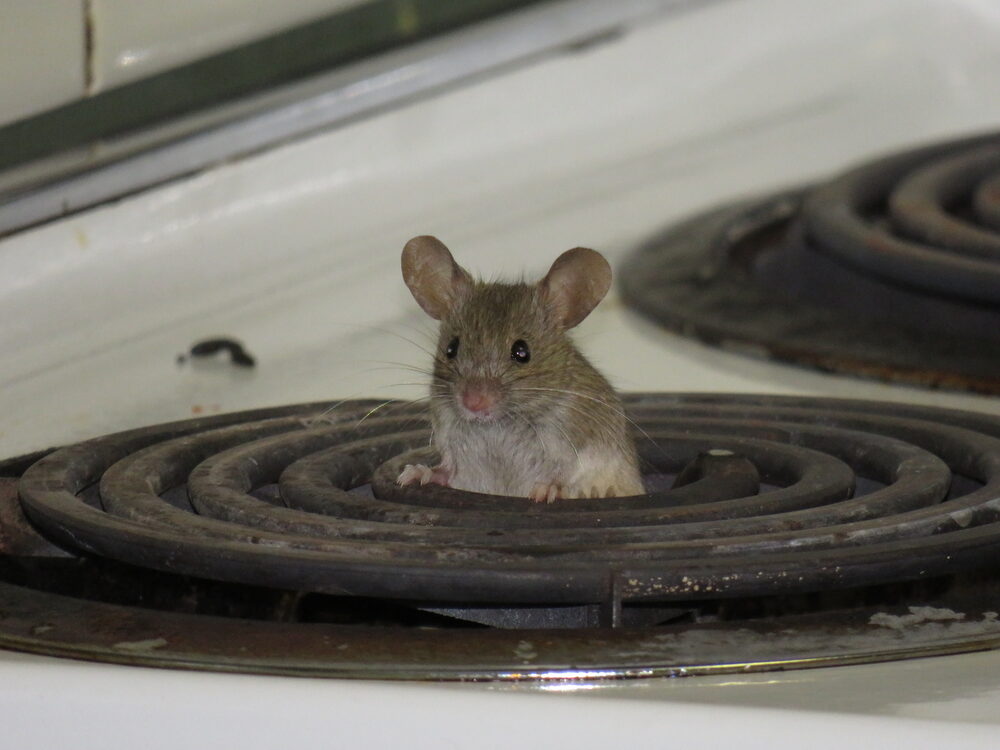
House mouse. Photo: jonsense, CC BY 4.0
Frequently Asked Questions
Rodents are primarily nocturnal. Daytime activity may indicate a large infestation, disturbance, or a pregnant female seeking food.
Yes. Trapped rodents may squeak, scratch, and thump. Check traps promptly to minimize suffering.
Sounds should stop within 2-3 days after the last rodent is caught. Continued sounds may indicate remaining rodents.
Rats and mice are primarily nocturnal, so their activity peaks after dark when the house is quiet. If you hear sounds during the day, it may signal a large infestation or a disturbed animal.
Sound is a clue, not proof. Heavy thumping and loud gnawing suggest rats; light scurrying and high-pitched squeaks suggest mice. To confirm the species, look for droppings, tracks, or gnaw marks, or call a professional for an inspection. For more, see Bat Guano vs Mouse Droppings: Identification Guide.