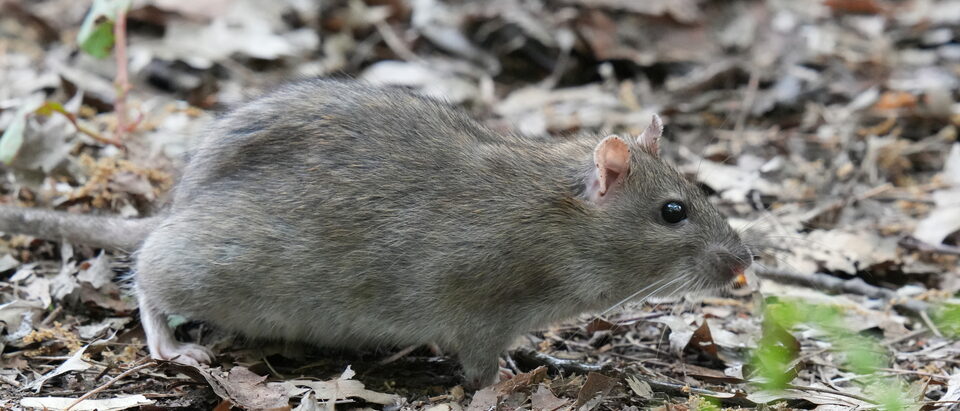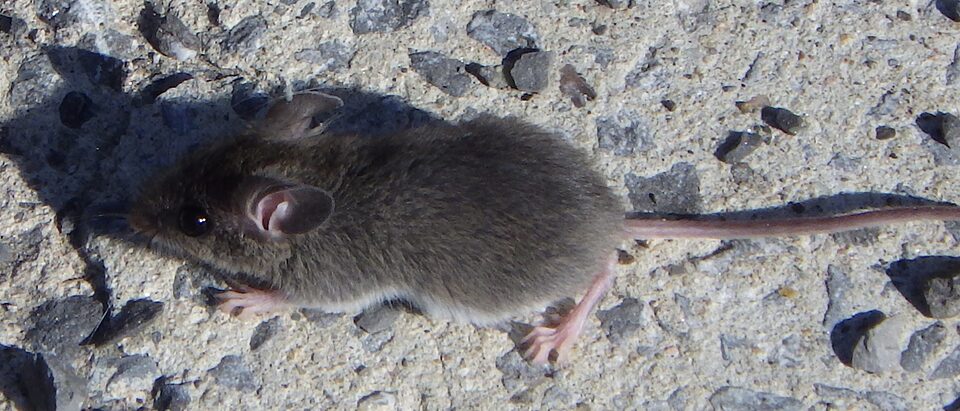

Rats and mice are not just a nuisance, they can make you sick. They spread disease through their droppings, their urine, their parasites, and their bites. CDC groups the ones to know as hantavirus, leptospirosis, salmonellosis, rat-bite fever and lymphocytic choriomeningitis (LCMV) Some of those diseases are a mild stomach bug, and one of them can kill you. I’ll tell you which ones matter, which rodents carry what, and how to clean up after them without getting sick yourself.
- Hantavirus is the one to take seriously. It’s carried by deer mice and, according to the CDC case definition, kills about 36 percent of the people who get it. There’s no cure, only prevention.
- Leptospirosis comes from rat urine. It can cause fever, kidney damage, and liver failure, but antibiotics work if it’s caught early.
- Salmonellosis is food poisoning from rodent droppings. Common, usually mild, but rough on kids and older adults.
- Plague still exists in the US, mostly in the Southwest, spread by rat fleas. It’s rare and treatable with antibiotics.
- Never sweep or vacuum rodent droppings. That sends the virus into the air you breathe.
Which Rodents Carry Which Diseases
Different rodents carry different problems, so it’s worth knowing what you’re dealing with:
- Deer mice are the main carriers of hantavirus in the US. They’re common in rural areas, garages, sheds, and cabins.
- House mice and Norway rats (the big ones in basements and sewers) carry salmonella and leptospirosis, and can spread it through food and surfaces.
- Roof rats, the climbers that get into attics, spread the same batch of bugs.
- Rats and their fleas are the classic plague carriers, though plague is rare in the US today.
Most of these diseases reach you one of three ways: direct contact (a bite or handling a dead rodent), touching or eating food and surfaces contaminated by droppings or urine, or breathing in dust from dried droppings.
Hantavirus (Hantavirus Pulmonary Syndrome)
This is the most serious rodent-borne disease in North America. It’s carried mainly by the deer mouse and spreads when you breathe in dust from dried urine, droppings, or nesting material.
Hantavirus pulmonary syndrome is fatal in about 36 percent of reported US cases, according to the CDC case definition, and there is no specific treatment or cure. Early symptoms look like the flu, fatigue, fever, and muscle aches, then progress to coughing and trouble breathing within a few days to a week.
Prevention is the only defense. Never sweep or vacuum rodent droppings. Wet everything down with disinfectant first, and wear an N95 respirator and gloves. If you’ve been cleaning out a shed or cabin and feel flu symptoms within a few weeks, tell a doctor you were exposed to rodent droppings.
Leptospirosis
Leptospirosis is a bacterial infection shed in rat urine. You can catch it through contact with water, soil, or food contaminated by infected urine, and the bacteria get in through cuts, scrapes, or your eyes, nose, and mouth.
Symptoms range from a mild flu-like illness to serious kidney and liver damage. It’s treatable with antibiotics, but catching it early matters.
Salmonellosis
Mice and rats can carry salmonella in their gut, and they spread it by walking across your counters and food. Symptoms are diarrhea, fever, and stomach cramps, usually lasting a few days to a week.
Most healthy adults get over it without treatment, but it can be serious for children, older people, and anyone with a weakened immune system.
Plague
Plague is caused by a bacterium carried by rats and spread by their fleas. It’s rare in the United States, usually only a handful of human cases a year, mostly in the Southwest. Modern antibiotics are effective when treatment starts early, so the real protection is keeping fleas and rodents out of your living space in the first place.
Rat-Bite Fever
Rat-bite fever comes from bacteria in a rat’s mouth and is passed through bites, scratches, or handling dead rats. Symptoms include fever, rash, and joint pain, usually showing up a few days after exposure. It’s treatable with antibiotics.
Frequently Asked Questions
Spray the area with a bleach solution, one part bleach to nine parts water, and let it sit for a few minutes before you wipe it up with paper towels. Wear gloves and an N95 respirator. Never sweep or vacuum dry droppings, that kicks the virus into the air.
The risk is highest when you clean areas with dried droppings and urine, because that’s when the dust gets airborne. Live mice are a lower risk, but don’t handle them directly. Use traps and dispose of dead mice while wearing gloves.
The virus can stay infectious in dried droppings for days to weeks. Sunlight, heat, and disinfectant all break it down.
If you cleaned droppings without protection and develop flu-like symptoms within a few weeks, see a doctor and mention the rodent exposure. Early care matters most with hantavirus.
The Bottom Line
The disease that should worry you most is hantavirus, because it’s carried by common deer mice, it kills a large share of the people it infects, and it has no treatment. The rest, leptospirosis, salmonella, plague, and rat-bite fever, are mostly treatable when caught early.
Whatever you do, don’t sweep or vacuum rodent droppings. Wet-clean with disinfectant, wear a mask and gloves, and wash your hands after. If you have an active infestation, deal with the rodents first, then clean.