
Rats and mice are both rodents, but they’re different enough that catching one with the other’s methods usually fails. The traps, the bait, and the sealing are all different, so the first job is figuring out which one you’re dealing with. Here’s how to tell them apart.
The Obvious Difference: Size
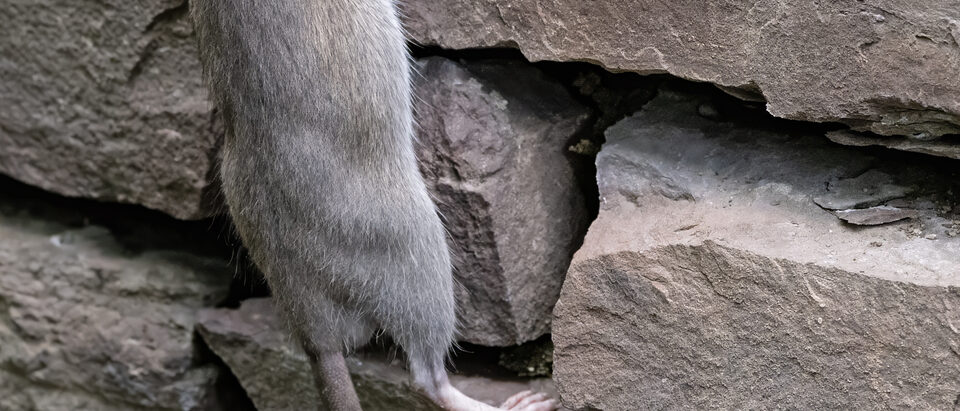
Rats are a lot bigger. An adult Norway rat runs roughly 9 to 11 inches in body length, while a house mouse is more like 2 to 4 inches. Rats weigh several times more, and they’re built heavier, with blunt snouts and small ears. Mice are slender, with pointed snouts and big, prominent ears. A rat’s tail is shorter than its body, while a mouse’s tail is longer than its body.
| Feature | Norway Rat | House Mouse |
|---|---|---|
| Body length | 9 to 11 inches | 2 to 4 inches |
| Weight | Several ounces | Under an ounce |
| Snout | Blunt | Pointed |
| Ears | Small, close to head | Large, prominent |
| Tail | Thick, shorter than body | Thin, longer than body |
| Droppings | 1/2 to 3/4 inch, capsule-shaped | 1/8 to 1/4 inch, rod-shaped |

Norway rat. Photo: Chuck Homler, CC BY-SA 4.0
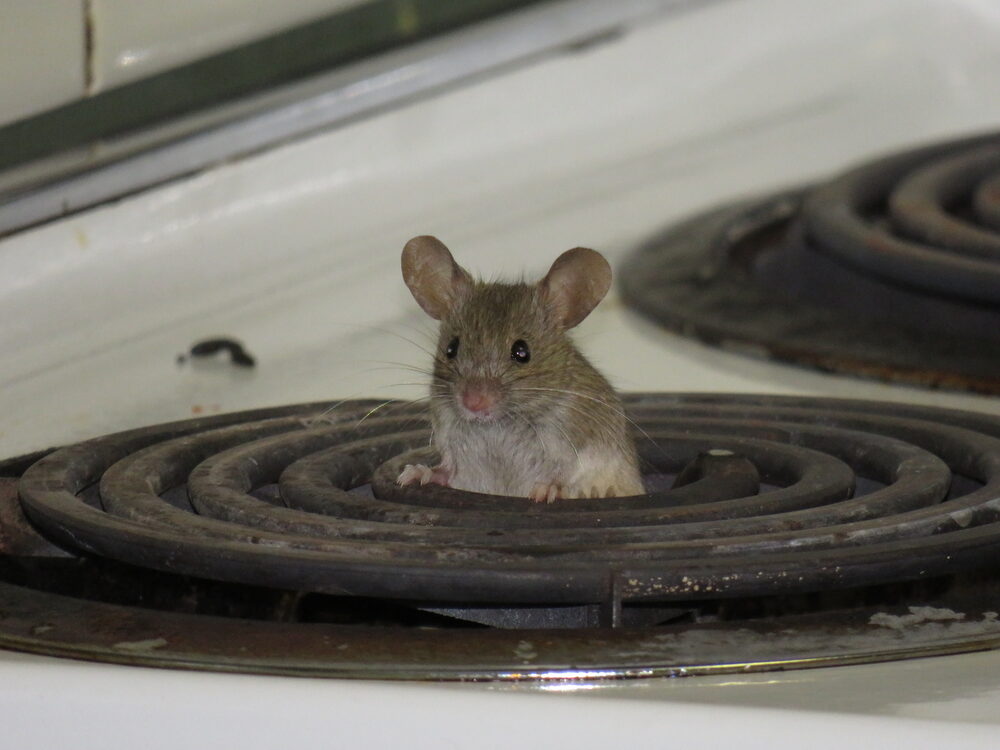
House mouse. Photo: jonsense, CC BY 4.0
The Behavioral Difference That Actually Matters
Rats are wary of anything new, including traps, which is why they’re so hard to catch. You usually have to pre-bait for a few days, let them eat from an unset trap until they’re comfortable, and only then arm it.
Mice are the opposite. They’re curious and explore new objects, so you can often catch them the first night if the traps are in the right place along the walls. That one difference is why a mouse problem often clears up faster than a rat problem of the same size.
Diet Differences
Rats go for protein, meat, fish, pet food, and grains, and they need a steady water source. Mice prefer seeds, grains, and sweets, and they can get by on the moisture in their food, which is why they do fine in dry spots like wall cavities and attics.
Where Each One Lives
Norway rats are burrowers, living underground, under slabs, in crawlspaces, and in basements. Roof rats are the climbing exception, preferring attics and upper floors. Mice are climbers too, living in walls, attics, cabinets, and behind appliances, and they can squeeze into spots rats can’t reach.
Droppings Side by Side
Rat droppings are 1/2 to 3/4 inch long with blunt ends, like dark capsules, usually piled in groups near nesting areas or along travel routes. Mouse droppings are 1/8 to 1/4 inch long with pointed ends, like dark grains of rice, scattered along walls and near food. For a closer look, see my droppings identification guide.
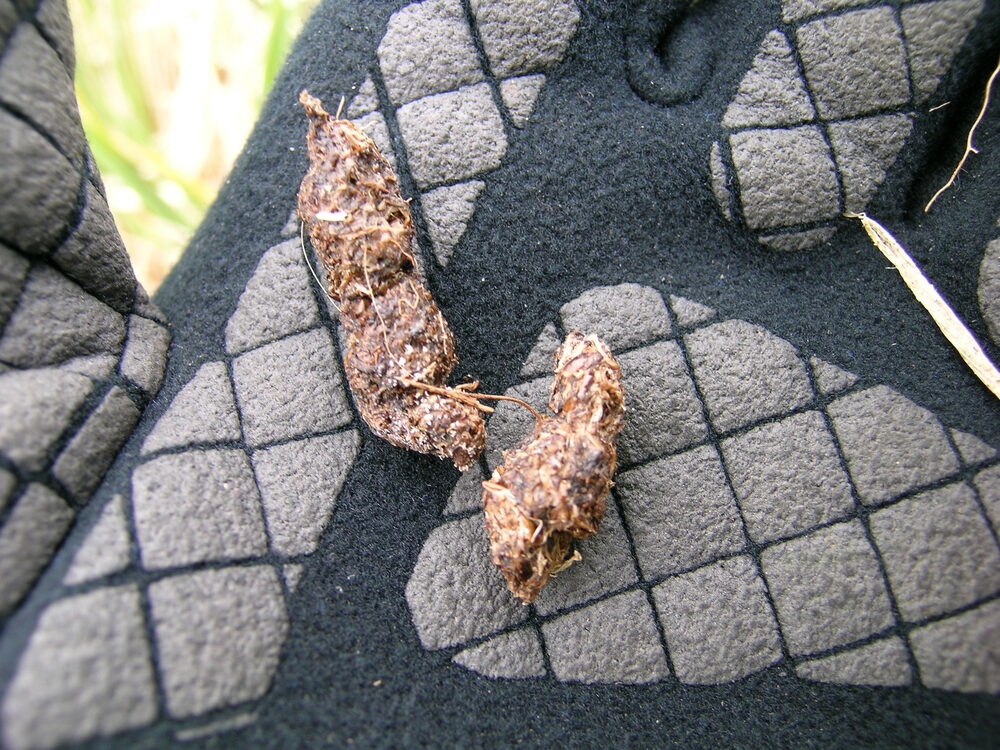
Norway rat droppings. Photo: deboas, CC BY 4.0
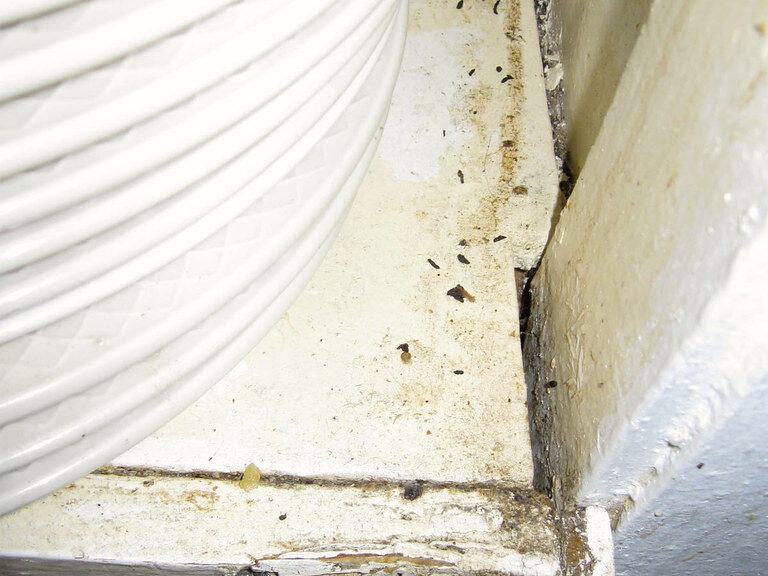
House mouse droppings. Photo: NYSIPM Image Gallery, CC BY 2.0
Different Control for Each
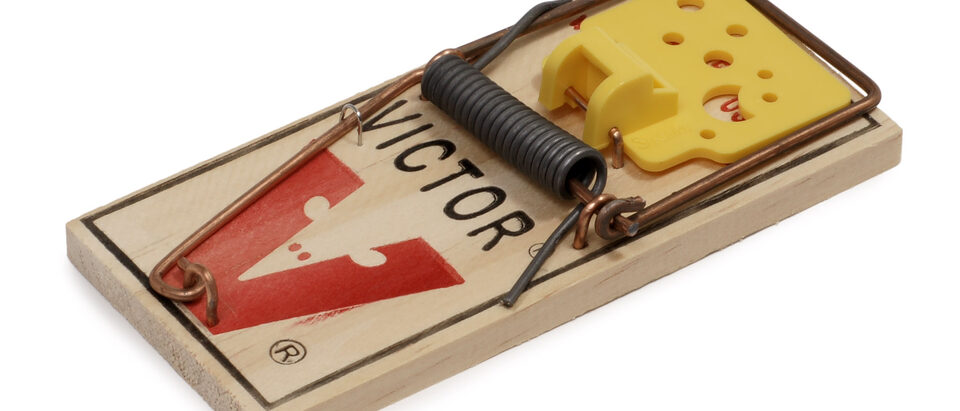
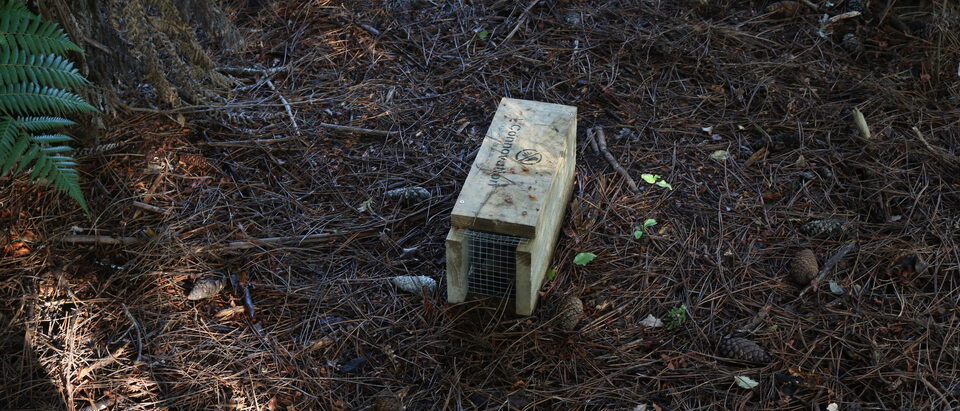
Rats need bigger traps with stronger springs and heavier exclusion materials, plus days of pre-baiting. Mice need smaller, more sensitive traps set a couple of feet apart along walls, baited with peanut butter. Mice also breed faster than rats, so one missed pregnant female can restart an infestation in weeks. See my best rat traps guide and best mouse traps guide.
Health note: Rats and mice both carry disease, so never handle droppings, nesting material, or dead rodents without gloves and a respirator. See my diseases guide for details.
Frequently Asked Questions
Not really. Rats are dominant and will kill or drive off mice, so you rarely have both at once. This is called competitive exclusion.
Rats, because they’re wary of traps and need pre-baiting. Mice are easier to catch but breed faster, so the problem returns quickly if you miss any.
No. Rats are the main carriers of leptospirosis, spread through urine, and are tied to plague transmission through fleas. Mice are the main reservoir for hantavirus and lymphocytic choriomeningitis. Both can carry salmonella.
Look at the droppings, rat droppings are much bigger, and at the gnaw marks, which are larger and deeper with rats. Rat burrows are a few inches wide with dirt mounds, while mouse nests are smaller and built from shredded material in hidden spots.