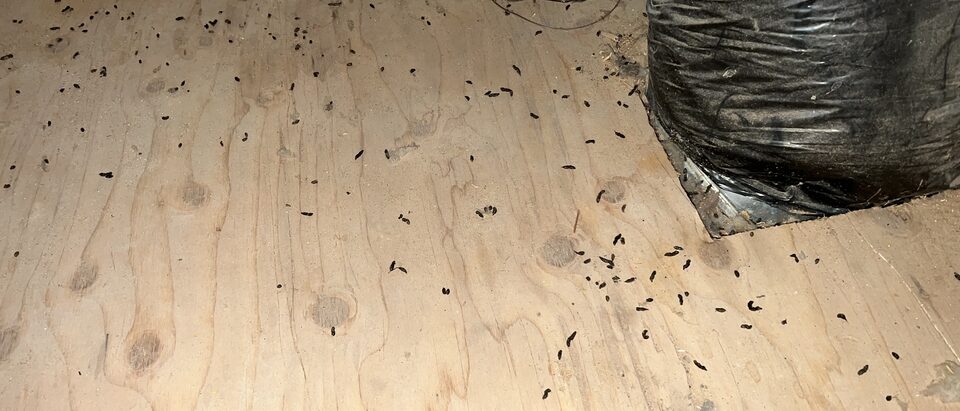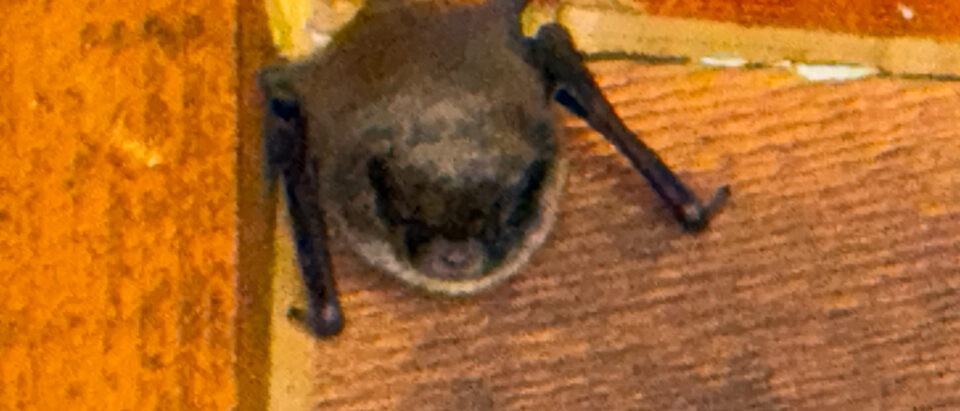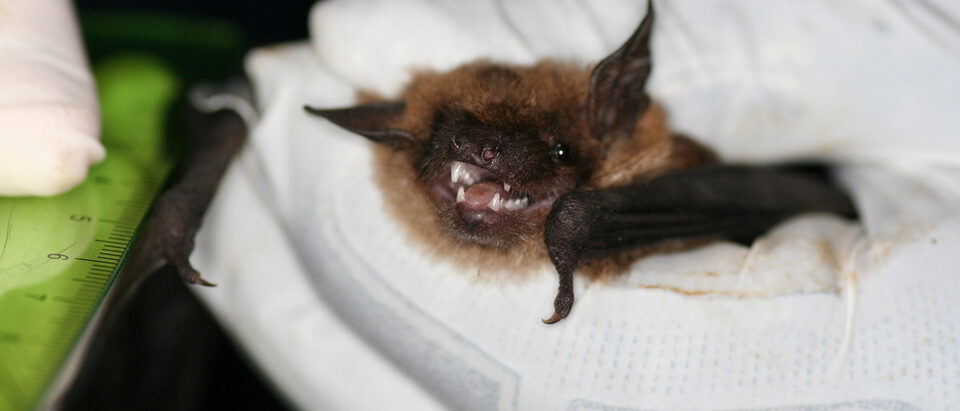

Finding droppings in your attic or garage is unsettling, and the first thing I want to know is what animal left them. Bat guano and mouse droppings look a lot alike at first glance, but they differ in shape, texture, composition, and the health risks they carry. Mistake one for the other and you might use the wrong cleanup method, or miss a real hazard. Here is how I tell them apart.
The Short Version
- Shape: Bat guano is elongated with rounded ends and a segmented look. Mouse droppings are smaller, pointed, and rod-shaped.
- Texture: Bat guano crumbles into a fine, sparkly powder. Mouse droppings stay hard and brittle.
- Smell: Bat guano gives off a strong ammonia smell. Mouse droppings smell musky and dry.
- Location: Bat guano piles up under roosts. Mouse droppings are scattered along travel routes.
- Health risk: Bat guano can carry the fungus that causes histoplasmosis. Mouse droppings can carry hantavirus. Both need PPE for cleanup.
Side-by-Side Comparison
| Feature | Bat Guano | Mouse Droppings |
|---|---|---|
| Shape | Long, segmented, rounded ends | Small, rod-shaped, pointed ends |
| Size | 1/4 to 1/3 inch long, 1/8 inch wide | 1/8 to 1/4 inch long, 1/16 inch wide |
| Color | Dark brown to black; older piles turn lighter and dusty | Dark brown to black |
| Texture | Crumbly, powdery when dry | Hard, dry, brittle |
| Crush test | Crumbles into shiny powder | Breaks into solid fragments |
| Smell | Strong ammonia odor | Musky, slightly sweet |
| Accumulation | Piles under roosts | Scattered along walls and routes |
| Health risk | Histoplasmosis (fungal) | Hantavirus (viral) |
Shape and Size Differences
The most reliable way to tell them apart is shape. Bat droppings are elongated capsules with rounded ends and a distinct segmented look, almost like tiny clusters of dark rice grains pressed together. Mouse droppings are smaller, with pointed ends, like grains of rice with tapered tips.
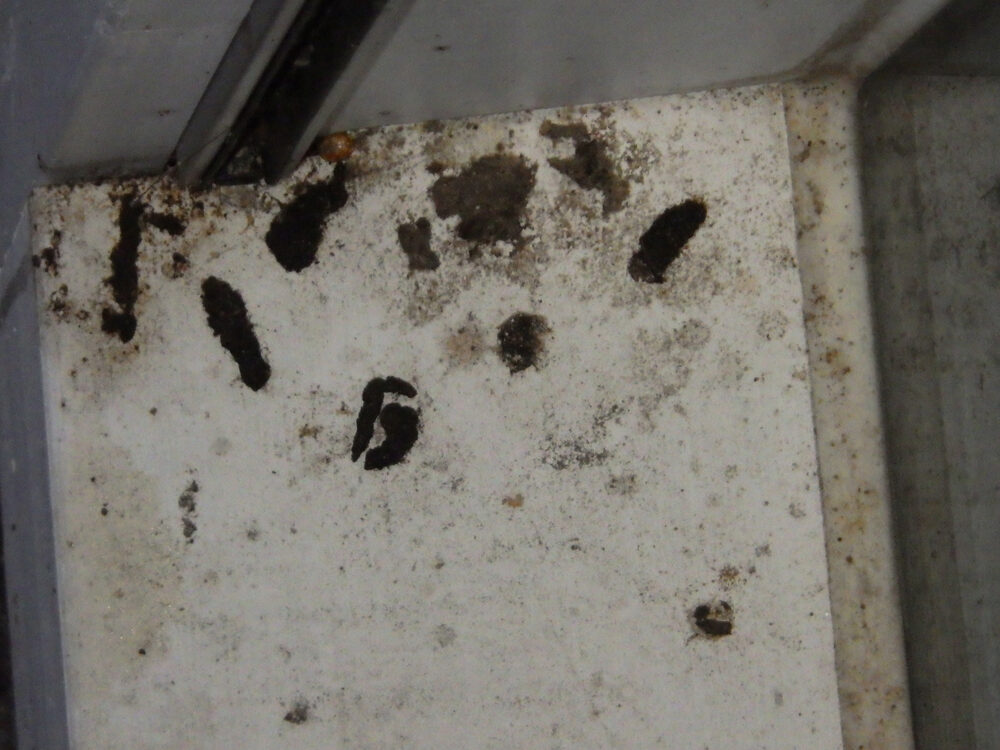
Bat guano
Bat guano averages about 1/4 to 1/3 inch long and 1/8 inch across. Mouse droppings run smaller, about 1/8 to 1/4 inch long and roughly half the width. If you see droppings of different sizes mixed together, you may have more than one bat species sharing the roost.
One more clue I use: fresh bat guano is darker and slightly moist, while older piles dry out and turn lighter and dustier. Mouse droppings stay hard and dark no matter their age.
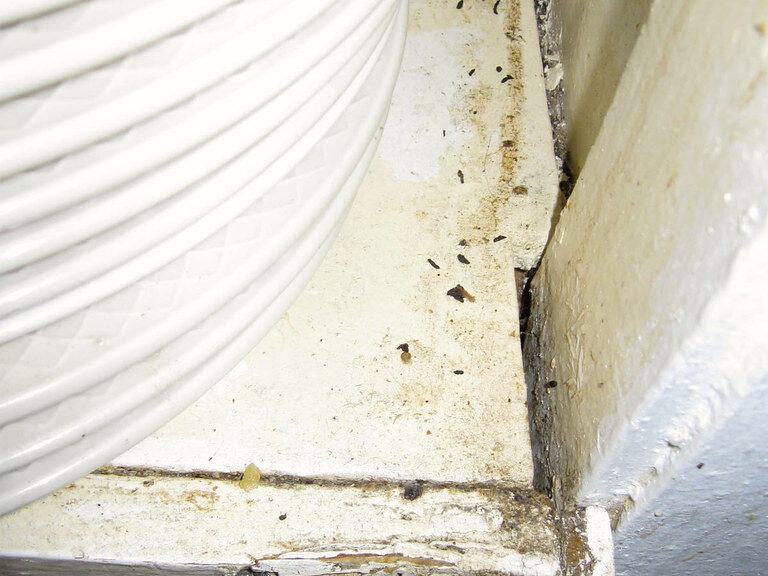
House mouse droppings. Photo: NYSIPM Image Gallery, CC BY 2.0
The Crush Test
My favorite field test is the crush test. Bat guano is almost entirely crushed insect parts, the beetles, moths, and mosquitoes the bat ate. When I crush dry bat guano with a stick or a gloved finger, it falls apart into a fine powder that often has a shiny, sparkly look from the insect fragments in it.
Mouse droppings are digested plant matter and grains. They are harder and more brittle. Crush one and it breaks into solid bits rather than powder, with none of that sparkle.
Never touch droppings with bare hands. Wear an N95 respirator or better and disposable gloves whenever you handle any pest droppings. Both bat guano and mouse droppings can carry pathogens that get airborne.
Smell: Ammonia vs Musky
Bat guano has a sharp ammonia smell from bat urine breaking down in the pile. If I walk into an attic and catch strong ammonia, I am almost certain there is a bat roost overhead. Mouse droppings have a milder, musky smell that is much less penetrating. No ammonia smell does not rule out mice, but that sharp ammonia note points hard toward bats.
Accumulation Patterns
Bats return to the same roost night after night, so their droppings pile up in one spot directly beneath where they hang. You will usually find a cone-shaped pile of guano on insulation, floorboards, or a sill right under the roost.
Mice scatter as they go. You find single droppings or small clusters along baseboards, walls, and inside cabinets, not the concentrated piles you get with bats.
Health Risks: Know the Difference
The risks are different for each, and both are serious.
Bat guano is the main carrier of the fungus that causes histoplasmosis, a lung infection you get from breathing in spores. It is hardest on infants, elderly people, and anyone with a weakened immune system. Bat guano cleanup calls for real respiratory protection and, for big piles, professional help.
Mouse droppings can carry hantavirus, a severe respiratory illness, along with salmonella and other germs. Unlike bat guano, mouse droppings should never be vacuumed, because vacuuming throws the virus into the air. Wet-clean them with disinfectant instead.
If you find a large buildup of either one, consider hiring a professional. For bat guano, read my guide on how to safely clean bat guano. For mice, wet-clean with disinfectant and seal entry points.
What If You Find Both?
It is possible to have bats and mice in the same house. Bats roost in the attic or roofline while mice work the wall cavities and lower levels. If you find both types of droppings, you need two different plans: exclusion for the bats and trapping plus sealing for the mice.
Frequently Asked Questions
Bat guano is much larger than roach droppings. Roach droppings look like tiny black specks or ground pepper, while bat guano is 1/4 inch or longer with a segmented shape. Roach droppings also tend to show up near food in kitchens and bathrooms.
Yes. Guano piles attract scavenger beetles and other insects. Those can spread through the house after the bats are gone, which is why guano cleanup is part of any bat job.
The spores that cause histoplasmosis can stay viable in dry guano for a long time, years in some cases. Even old, dry guano can go airborne during cleanup and make you sick. Never disturb old guano without proper respiratory protection.
If the answer is neither, the animal droppings identification chart works through the rest by size, shape, and where the droppings were left.
Yes. You can send a sample to a lab, but in practice the shape, texture, location, and crush test are usually enough to call it.