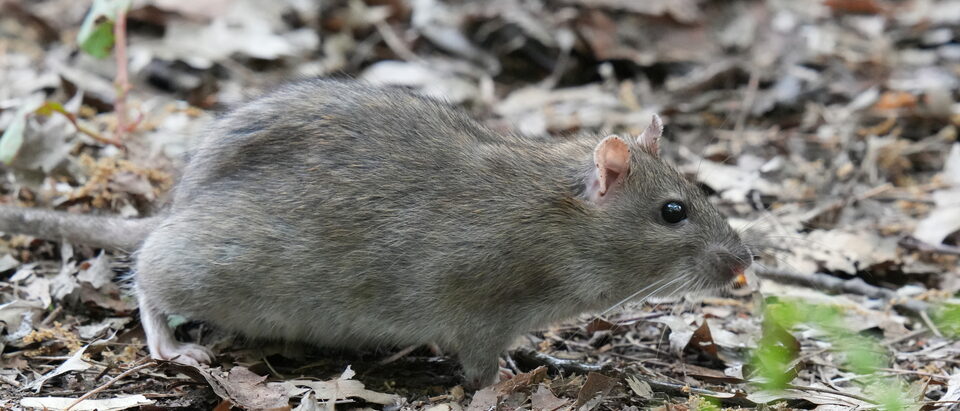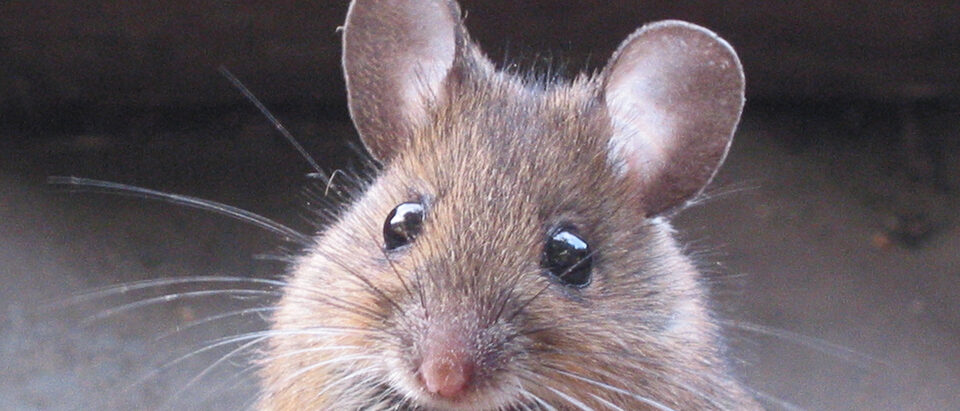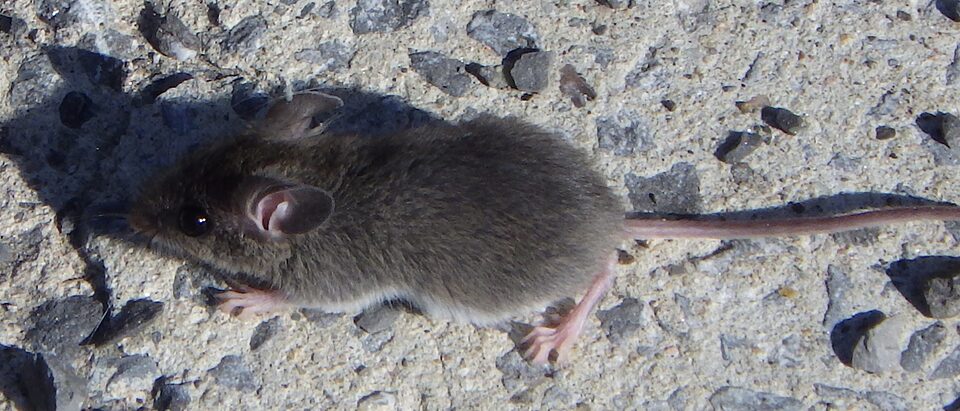

Finding a nest tells you two things: the rodents are established, not just passing through, and you now know where the colony is living. That second part is the useful one, because you cannot get rid of rodents you cannot find. Here is how to identify the nest, figure out which rodent made it, and tell whether it is still in use.
Rat nests
Norway rats nest low, in burrows, under concrete slabs, in crawlspaces, and in basements. Roof rats nest up high, in attics, ceilings, and trees.
Rat nests are built from shredded paper, fabric, insulation, and plant material, and they run larger and coarser than mouse nests, think the size of a dinner plate or bigger. They are often lined with softer stuff on the inside. A single colony usually keeps several nests scattered through its territory.
Mouse nests
House mice nest in attics, wall voids, cabinets, behind appliances, and inside stored boxes. Their nests are smaller, roughly fist-sized, and look neater and more compact than a rat’s, made from finely shredded material.
Mice build a lot of nests, and one female can build several in a season. Check behind the fridge, stove, and washing machine, inside cabinets, and in attic insulation.
Use droppings to confirm which rodent
Droppings are the most reliable clue, and the size gives the species away.
- Rat droppings are bigger, around half an inch to three quarters, blunt or capsule-shaped.
- Mouse droppings are small and thin, with pointed ends.
Freshness tells you if the nest is active. Fresh droppings are dark, soft, and shiny. Old ones are gray, dry, and crumbly. If you are finding fresh droppings near the nest, it is in use.
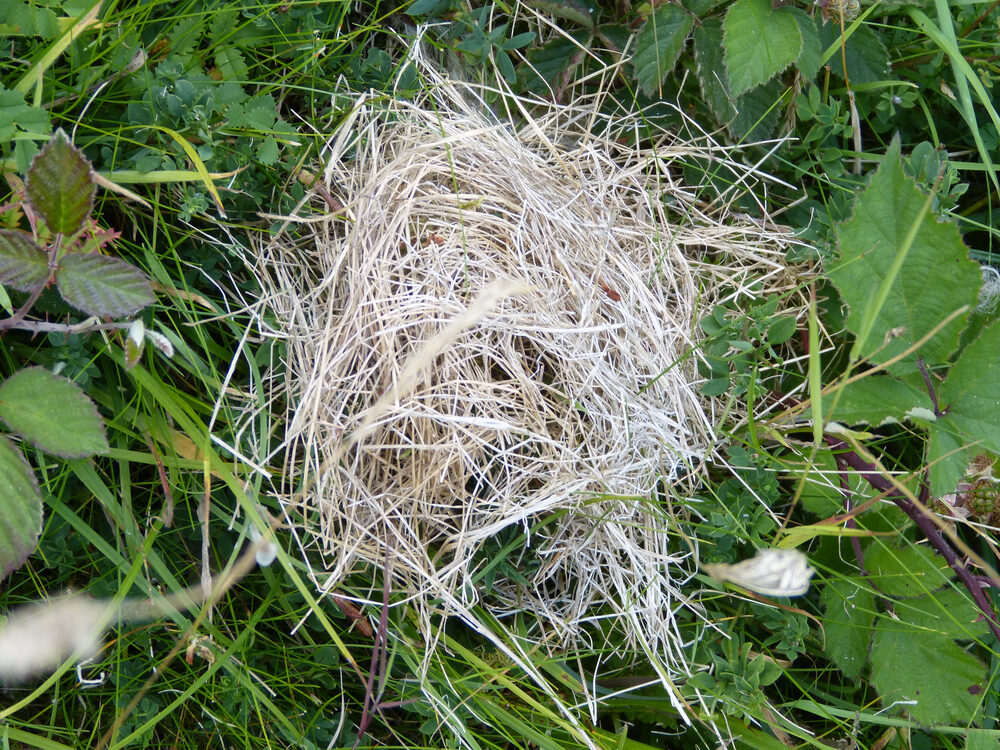
Mouse nest. Photo: gailhampshire, CC BY 2.0
Is the nest active?
Beyond fresh droppings, an active nest smells musky and may feel warm to the touch. An abandoned nest is dry, dusty, and quiet. Do not pull an active nest apart while the rodents are still around, they will just rebuild it nearby.
What to do when you find a nest
Trap first, then clean. Once the rodents are gone:
- Put on gloves and an N95 respirator.
- Spray the nest with a bleach solution, about one part bleach to nine parts water, and let it sit a few minutes.
- Bag the nest and seal it.
- Disinfect the area.
- Check for more nests, since rodents rarely build just one.
Frequently Asked Questions
Several. One colony can keep a handful of active nests spread through its territory, so find them all or the survivors just move over.
Yes. Active nests have a musky odor that is strongest in enclosed spots like cabinets and wall voids.
A small nest is fine to remove yourself with gloves and a respirator. A large, heavily contaminated one is worth handing to a professional.
Size is the best clue. Rat nests are bigger and coarser, mouse nests are smaller and neater. Location helps too: rats nest low or high depending on species, mice nest in attics, cabinets, and behind appliances.