
Most snakes that end up in attics are harmless rat snakes or garter snakes, not venomous species. But you should still treat every snake as if it could bite, and call a professional if you cannot positively identify it.
- Do not try to grab or handle a snake you cannot identify. Bites happen when people guess wrong.
- Snakes enter through existing gaps in the roofline, vents, or soffits, usually chasing rodents.
- A snake in the attic often means a rodent problem in the same space.
- Seal entry points after the snake is out to prevent a repeat.
Confirm It Is a Snake
The first sign is often a slow, rustling noise or the occasional thump from the ceiling, different from the constant scratching of rodents. You may also find shed skins, which confirm a snake has been living there. Shed skins are thin, translucent, and patterned, and they are a clear sign of a resident snake rather than a passing one. If you only have the sound to go on, the attic noise identifier narrows it down in three questions.
If you hear rodents and then the noise suddenly stops, a snake may have moved in to feed on them.
Identify It Before Acting
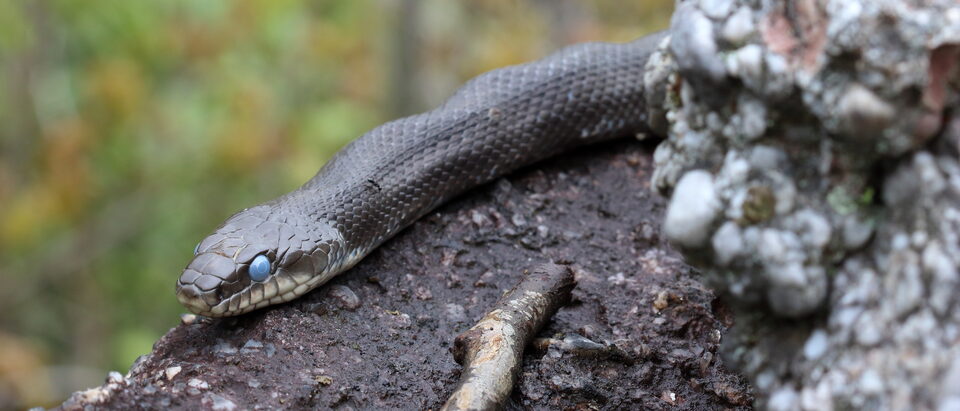
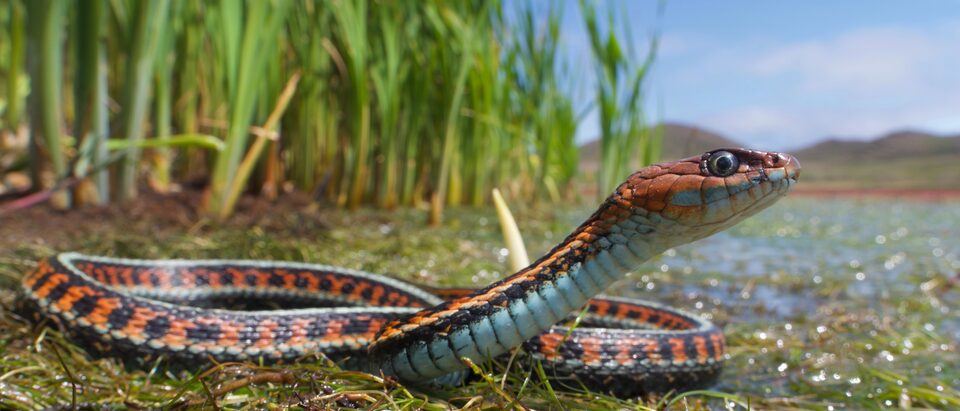
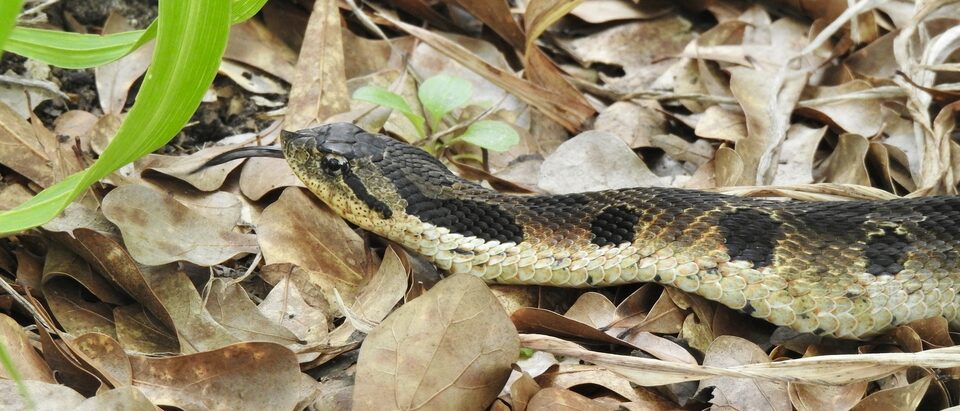
This step matters more than any other. Most attic snakes are non-venomous rat snakes, which are excellent climbers and follow rodents into rooflines. In some regions, garter snakes and other harmless species also turn up.
If you cannot see the snake clearly enough to identify it, do not approach. Back away and call a wildlife professional.
Safest Options for Removal
The safest option is to call a wildlife removal professional who can identify the snake and remove it without anyone getting hurt. This is the right call for any snake you cannot confidently identify as non-venomous.
If you are certain the snake is non-venomous, a snake hook or grabber can let you lift it from a distance. Still, handling any wild snake is risky, and most people are better off letting a pro do it. Do not use glue traps for snakes; they are inhumane and often leave you with an injured, angry animal.
Do not chase a snake deeper into the attic. A cornered snake is more likely to strike. If it retreats into a wall void, it becomes much harder to remove, so leave it an escape route and let a professional handle the capture.
Why Snakes Enter Attics
Snakes are cold-blooded and climb into warm, quiet spaces, but the main draw is food. An attic with mice or rats is a snake buffet. They also enter seeking shelter and a place to shed. Snakes cannot chew or dig openings, so they use gaps that already exist around vents, soffits, and roofline trim.
Seal the Entry Points
Once the snake is out, find and seal the gaps it used. Screen vents with hardware cloth, repair soffits, and close roofline gaps with metal flashing or sealant. Snakes need only a quarter inch to squeeze through, so be thorough.
The most effective long-term fix is to solve the rodent problem that attracted the snake in the first place.
When to Call a Professional
Call a professional if the snake is venomous or unidentified, if it has retreated into a wall void, or if you simply do not want to handle a wild snake. Venomous species require specialized equipment and handling, and a professional can also locate and seal the entry point so the problem does not recur.
Frequently Asked Questions
Most attic snakes are non-venomous, but any snake can bite if cornered. The real risk is trying to handle a snake you cannot identify. Leave venomous or unidentified snakes to a professional.
Snakes use existing gaps around roof vents, soffits, roofline trim, and utility penetrations. They often follow the same routes rodents use, since rodents are their food source.
Sometimes, but you should not count on it. A snake that has found food and shelter has no reason to leave. If it has laid eggs or found a stable roost, it will stay until removed or excluded.
Warmth, shelter, and most of all food. A rodent infestation is the strongest attractant. Solve the mice or rats, and the snake loses its reason to stay.
Only if you are certain it is non-venomous and you have the right tools, like a snake hook or grabber. For any unidentified or potentially venomous snake, call a professional. The risk is not worth the savings.