
Most commercial snake bite kits do not do what they promise. Venom extractor pumps, cutting, and suction are not recommended by modern medical guidance and can make a bite worse. The right response to a snake bite is fast, calm first aid and getting to a hospital for antivenom.
- Venom extractor pumps and suction kits do not remove meaningful venom and are no longer recommended.
- Do not cut, suck, or apply a tourniquet to a snake bite.
- The correct first aid is to stay calm, immobilize the limb, and get to a hospital.
- Most US snake bites are non-venomous, and deaths are rare with prompt medical care.
Why Venom Extractors Do Not Work
The idea behind a venom extractor is that suction pulls venom out of the wound. It does not. Studies have shown that extractor pumps remove at most a tiny fraction of the injected venom, and the suction can actually increase local tissue damage. Cutting the wound and sucking, a common folk remedy, is even worse and can cause infection.
The only effective treatment for a venomous snake bite is antivenom administered in a hospital. No kit replaces that.
The Correct First Aid for a Snake Bite
If you or someone else is bitten, follow these steps:
- Move away from the snake so it cannot bite again.
- Stay calm and still. Movement and a fast heart rate spread venom faster.
- Remove rings, watches, and tight clothing near the bite before swelling starts.
- Keep the bitten limb still and at or below heart level. Immobilize it if possible.
- Get to a hospital immediately. Call 911 if you are in a remote area or the bite is from a known venomous snake.
Do not cut the wound, try to suck out venom, apply a tourniquet, apply ice, or drink alcohol or caffeine. These either do nothing or make the injury worse.
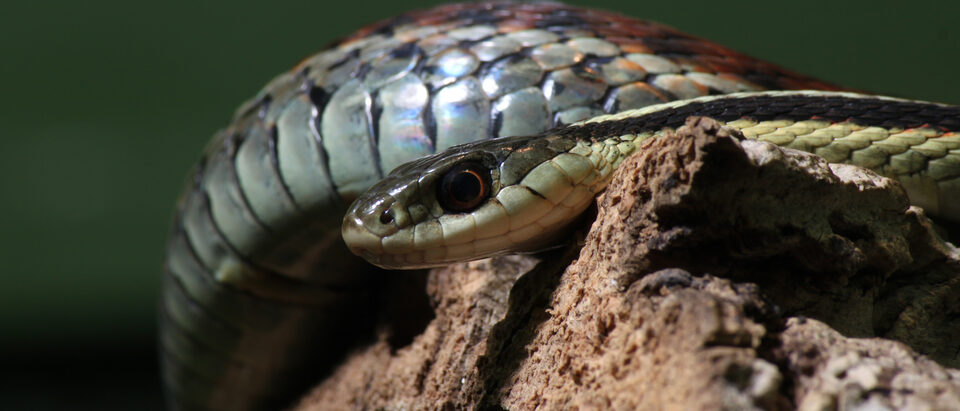
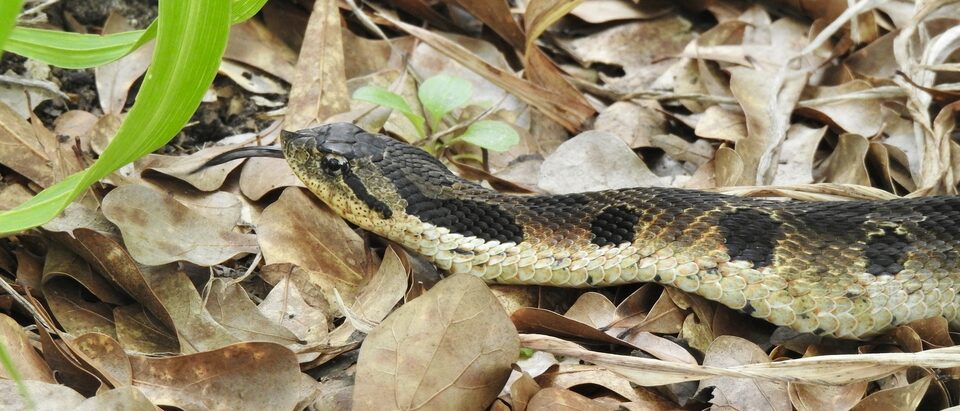
If you can safely do so, note the snake’s appearance or take a photo from a distance, but do not chase or kill it. A clear description helps the hospital decide whether antivenom is needed, and most bites in the United States are from non-venomous snakes.
What a Useful Kit Actually Contains
If you want a kit for outdoor work or hiking, the genuinely useful items are ordinary first aid supplies, not venom extractors: an elastic bandage for immobilizing the limb, a marker to note the time and swelling, and a phone or satellite communicator to call for help.
For snake country, the best preparation is prevention: wear boots and long pants, watch where you step and place your hands, and do not reach into areas you cannot see.
Why This Matters for Snake Safety
Most snakes in North America are harmless, and even a venomous bite is rarely fatal with prompt care. The danger comes from panic and bad first aid, not from a lack of gadgets. Know the correct steps, and you are better prepared than any kit will make you.
When to Call for Help
Call 911 or get to a hospital immediately for any bite from a known or suspected venomous snake, or any bite that causes severe pain, swelling, nausea, or difficulty breathing. Do not wait to see if symptoms develop.
Frequently Asked Questions
No. Venom extractor pumps remove at most a tiny fraction of the venom and can increase tissue damage. Modern medical guidance does not recommend them. Get to a hospital for antivenom instead.
No. Cutting and sucking does not remove venom and can cause infection and further injury. It is an outdated folk remedy that makes the bite worse.
No. Tourniquets cut off blood flow and can cause permanent limb damage. Keep the limb still and at or below heart level, and get to a hospital.
There is no kit that treats a venomous snake bite. The best preparation is correct first aid knowledge and fast access to medical care. For a practical outdoor kit, carry an elastic bandage, a marker, and a way to call for help.
Most bites are from non-venomous snakes, and deaths are rare with prompt medical care. Around a handful of people die from venomous snake bites in the US each year, and almost all cases involved delayed or no treatment.