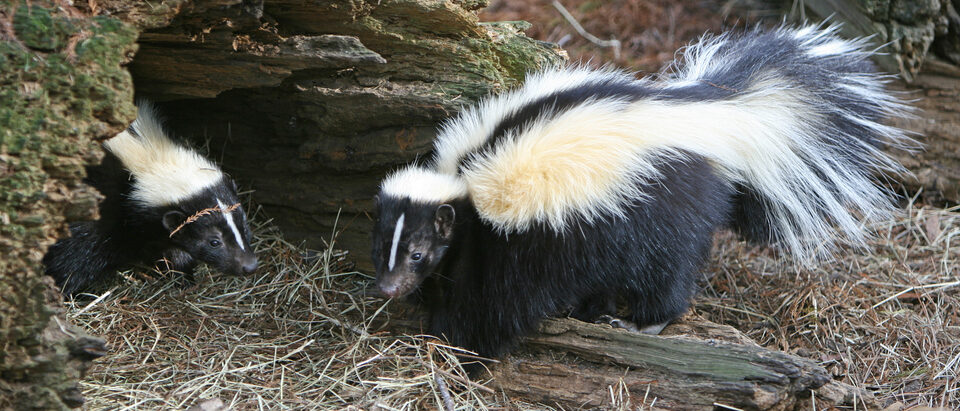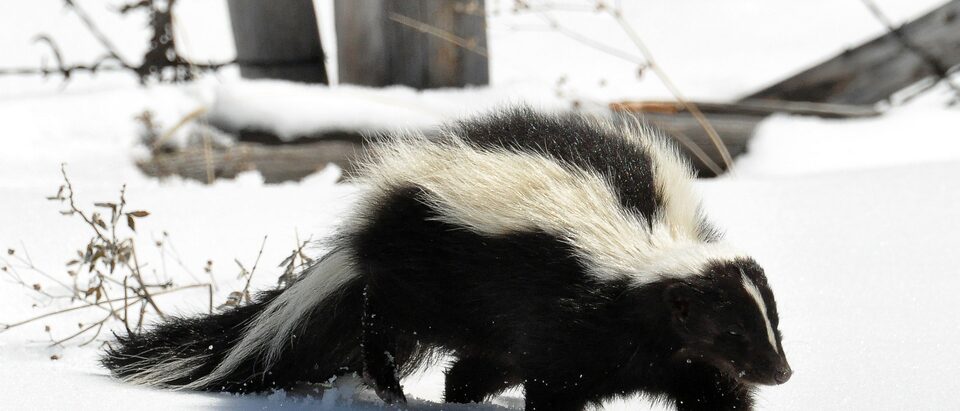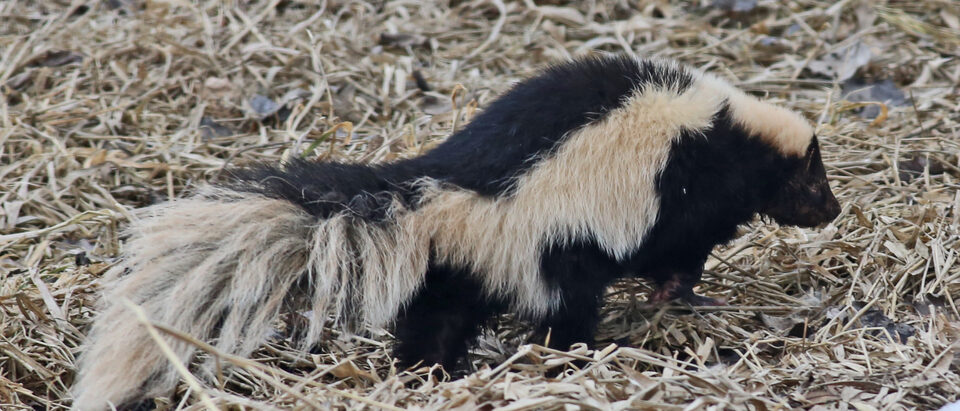

Skunks mostly want to be left alone, but they carry some serious diseases that can reach you or your pets. Rabies is the big one, and then there is leptospirosis, canine distemper, and a few others. Most of the risk comes from bites, scratches, urine, and droppings, and from handling a skunk you should have left alone. Here is what I tell people about the risks and how to stay clear of them.
The Short Version
- Rabies is the most serious threat. CDC names raccoons, skunks and foxes as the wildlife species behind most of the rabies threat in the United States, and skunks are one of the three
- Leptospirosis spreads through urine, which can contaminate soil and water. CDC notes that without treatment it can lead to kidney damage, meningitis, liver failure and occasionally death, which is why it is worth knowing about
- Canine distemper is highly contagious to unvaccinated dogs and is usually fatal.
- Don’t handle a skunk yourself. Even a healthy-looking one can be a carrier.
- Keep pet vaccines current. Rabies, distemper, and leptospirosis vaccines are widely available.
Rabies in Skunks
Rabies attacks the nervous system and is almost always fatal once symptoms show. Skunks are one of the main carriers in the US, along with raccoons, bats, and foxes. The virus lives in the saliva of an infected animal and usually gets in through a bite, though scratches and contact with the eyes, nose, or mouth can also do it.
The time between exposure and symptoms in people can run from weeks to months, depending on where the bite is and how much virus got in.
A skunk that is out in daylight, disoriented, staggering, unusually aggressive, or unafraid of people may be rabid. Healthy skunks are nocturnal and shy. If you see one acting wrong, call animal control. Don’t approach it, and don’t try to catch it.
If you or a pet is bitten or scratched, wash the wound with soap and water for a good while, then get medical or veterinary help immediately. Post-exposure treatment works well when it starts promptly. Don’t wait for symptoms, because by then it is too late.
Leptospirosis
Leptospirosis is a bacterial disease. Skunks carry the bacteria in their kidneys and shed it in urine, and it can survive in moist soil, standing water, and mud for weeks. People and pets get it through contact with contaminated urine, water, or soil.
In people, leptospirosis can look like a mild flu, fever, headache, and muscle aches, or it can turn serious and damage the kidneys or liver. In dogs it can cause fever, vomiting, kidney failure, and death if untreated. Dogs are at extra risk because they sniff and drink from puddles a skunk may have used.
It is treatable with antibiotics when caught early, and there is a dog vaccine worth asking your vet about if skunks are around.
If you find skunk droppings or nesting material in a crawl space or shed, wear rubber gloves, a mask, and boots during cleanup. Spray the area with a bleach solution (about one part bleach to nine parts water), let it sit, then remove the material and double-bag it.
Canine Distemper
Distemper is a highly contagious viral disease that hits the respiratory, digestive, and nervous systems of dogs and some wildlife, including skunks. There is no cure, only supportive care, and it is almost always fatal in unvaccinated animals.
A skunk with distemper can show thick discharge from the eyes and nose, coughing, vomiting, diarrhea, and then neurological signs like twitching, circling, and seizures. A distempered skunk can look confused or tame, a lot like a rabid one, which is why telling the two apart matters and why you shouldn’t get close to either.
It spreads through respiratory droplets, urine, and feces, and unvaccinated dogs and puppies are at the highest risk. The virus doesn’t survive long in the environment. The good news is the distemper vaccine is part of the standard core shots for dogs, so vaccinating is easy protection.
Tularemia and Other Infections
Tularemia, sometimes called rabbit fever, is a bacterial infection skunks can pick up from eating infected rodents or rabbits and pass to people through contact, tick bites, or breathing contaminated dust. Symptoms include fever, skin ulcers, swollen lymph nodes, and sometimes pneumonia, and it is treatable with antibiotics when caught early.
Skunks can also carry roundworms, hookworms, and tapeworms. Roundworm eggs can survive in soil for a long time and cause serious problems if accidentally swallowed by people or pets. Never sweep or vacuum skunk droppings dry, because that throws the eggs and other pathogens into the air.
Skunks also carry fleas, ticks, and mites, which can pass along tick-borne illnesses. If skunks have been living under your home, treat the area for fleas and ticks after you exclude them, and ask a pest professional about the right treatment.
Safe Handling and Cleanup
Never try to handle a skunk directly, even one that looks calm or injured. A skunk can spray accurately from several feet away, and the spray causes intense eye and breathing irritation. More important, a skunk that lets you get close may be sick. Call a licensed wildlife control operator.
If you have to clean a space where skunks were living, wear heavy rubber gloves, an N95 respirator or better, goggles, coveralls, and boots, and ventilate the area first. Don’t use leaf blowers or shop vacuums inside, since they throw pathogens into the air.
For soiled insulation, flooring, or drywall, removal and replacement is the safest route, because porous materials can’t be fully cleaned after heavy wildlife waste. Bag the contaminated material in heavy plastic and follow local disposal rules.
Vaccination and Prevention for Pets
Vaccines are the best protection for your pets. Rabies shots are required by law in most places, and the core distemper vaccine is standard. Ask your vet about the leptospirosis vaccine if skunks are common in your area.
Keep dogs leashed at dawn and dusk when skunks are most active, and don’t let pets explore under sheds or into crawl spaces. Secure garbage and compost bins so skunks have less reason to hang around.
Frequently Asked Questions
No. The rabies virus is in saliva, not the spray, which comes from the scent glands. You can’t get rabies from the spray alone. But if the skunk bit or scratched you before spraying, that is a rabies risk and you should get checked.
It varies. The bacteria that cause leptospirosis can survive for weeks in warm, moist conditions. Roundworm eggs can stay viable in soil for years. The rabies virus is fragile and dies quickly in sunlight and drying. Distemper is moderately hardy but is killed by common disinfectants.
There is no national figure for that, because testing is done on animals that are already suspect rather than on the population at large. What the data give you is direction. CDC lists raccoons, skunks and foxes as the wildlife species behind most of the rabies threat in the United States, and state figures show how concentrated it is: in North Carolina 80.5 percent of the skunks submitted for testing in 2022 came back positive, compared with 2.5 percent of the bats and 29.6 percent of the raccoons tested. Treat every skunk as a possible carrier and never handle one, sick or not.
Strictly indoor cats are at very low risk unless a skunk gets inside or the cat escapes. You can still bring germs indoors on your shoes and clothes if you walk through a contaminated area.
No. Skunks are wild animals, they carry diseases, they need a specialized diet, and the musk is nearly impossible to get out of a home. Keeping a wild skunk as a pet is also illegal in most places.
Bottom Line
Skunks can carry rabies, leptospirosis, distemper, and a few other nasties, but you can mostly sidestep the risk by leaving them alone and keeping your pets vaccinated. Treat any skunk that acts wrong as a potential rabies case, never handle one yourself, and clean any contaminated space with real PPE. If in doubt, call a licensed wildlife professional.