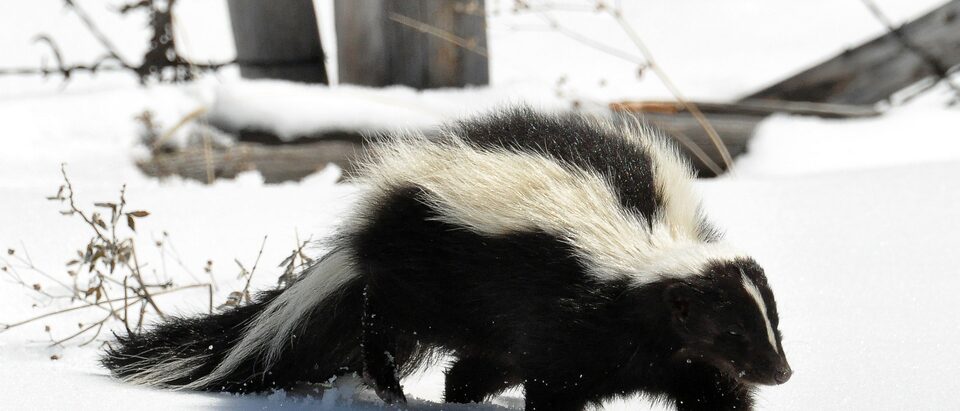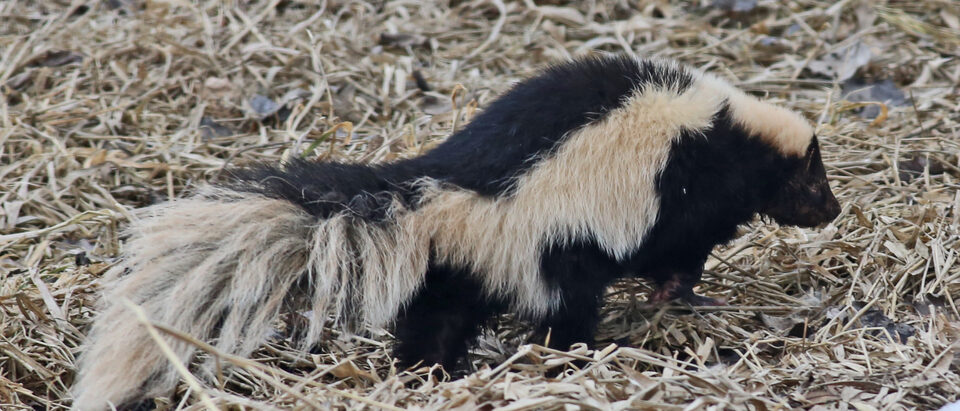

Skunk repellents (sensory deterrents) can help keep skunks away from your property without trapping or harming them. Repellents work by making your yard less attractive to skunks through strong odors or tastes that they dislike. This guide covers the most effective skunk repellents available and how to use them.
- Granular repellents: Sprinkle around gardens, decks, and foundations. Skunks avoid the smell. Lasts 2-4 weeks.
- Spray repellents: Liquid sprays for targeted application. Best for specific areas like under decks and sheds.
- Motion-activated sprinklers: Startle skunks with water. Effective for gardens and lawns. Humane and chemical-free.
- Predator urine: Coyote or fox urine triggers a fear response. Effective but needs reapplication after rain.
- Combination approach: Using multiple repellent methods together is more effective than any single method alone.
Quick Comparison
| Product | Type | Buy |
|---|---|---|
| Skunk Scram Granular 2.5 lb | Granules | Check price |
| Mighty Mint Peppermint Spray 1 Gal | Spray | Check price |
| Bonide Repels-All Granules 3 lb | Granules | Check price |
| Natural Armor Spray 128 oz | Spray | Check price |
Best Granular: Skunk Scram All Natural Granular Repellent
 Best Granular
- Type
- Granular repellent
- Format
- 2.5 lb shaker
- Use
- Shake in a circle outward from the damaged area
- Safety
- Stated as safe around children and pets when used as instructed
- Weather
- The listing says the granules will not wash out in rain
Skunk Scram is a granular repellent made for skunks specifically, and it works on two senses instead of one. The blend is plant based and biodegradable, and the listing describes the effect plainly: the granules make food in the area taste bad, and the smell turns the surrounding ground into somewhere a skunk does not want to settle.
The package here is a 2.5 pound shaker, and the shaker is worth the premium over a plain bag because the method is precision. You start at the middle of the damage and shake in a widening circle outward, then repeat in the direction you want the skunks to leave. The listing says to expect no new damage within three to four days, and that the granules will not wash out in rain.
Skunks dig for grubs, so this makes your lawn less profitable rather than building a wall. It needs repeating through the season, and it works far better alongside grub control, because a yard full of beetle larvae will keep attracting skunks no matter how the surface smells.
Best Spray: Mighty Mint Peppermint Oil Rodent Repellent
 Best Spray
- Type
- Peppermint oil spray
- Size
- 1 gallon (128 oz)
- Use
- Indoor and outdoor
Mighty Mint is a plant-based spray built on extra-concentrated peppermint oil, making it a top pick for pet parents who want natural pest control. It works indoors and out, on baseboards, entryways, patios, and garden edges, and leaves a fresh minty scent rather than a chemical smell.
The 128 oz (1 gallon) value size provides extended coverage, and the trigger sprayer makes application quick.
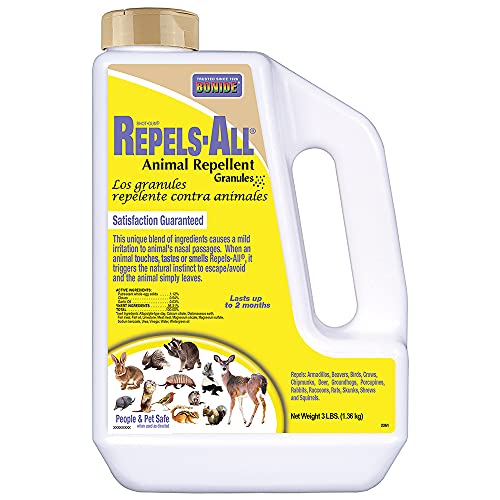
Best Budget: Bonide Repels-All Animal Repellent Granules
 Best Budget
- Type
- Granular repellent
- Active ingredient
- Putrescent egg solids
- Size
- 3 lb bag
Bonide Repels-All is a broad-spectrum granular repellent that works on skunks, raccoons, deer, and other pests. Its putrescent egg solids formula creates a scent and taste barrier that animals avoid, and the 3 lb bag covers a generous area for the price.
Best Concentrate: Natural Armor Animal & Rodent Repellent Spray
 Best Concentrate
- Type
- Spray concentrate
- Size
- 128 oz (1 gallon)
- Use
- Indoor and outdoor
Natural Armor is a 128 oz (1 gallon) spray that repels skunks, raccoons, rats, mice, deer, and other nuisance pests. It works indoors and out and comes with a heavy-duty trigger sprayer, using natural ingredients with a peppermint scent.
How to Choose a Skunk Repellent
Granular repellents use ingredients like sulfur, garlic, and peppermint oil. They are easy to apply and last for weeks. Spray repellents are best for targeted areas like under decks and around foundations. Motion-activated sprinklers are the most humane option and work well for gardens and lawns.
Natural repellents such as cayenne pepper, garlic, and citrus peels can be used but need frequent reapplication. Commercial repellents are more concentrated and last longer. Predator urine is effective but expensive and washes away in rain.
How to Apply Skunk Repellents
Apply granular repellents around the perimeter of your property, focusing on areas where skunks are active. Reapply every 2-4 weeks and after heavy rain. Spray repellents can be applied directly to surfaces, plants, and entry points, and should also be reapplied after rain.
Motion-activated sprinklers should be placed in gardens and near skunk entry points. The sudden burst of water startles skunks and teaches them to avoid the area. These are most effective when combined with other repellent methods.
Frequently Asked Questions
No. Ultrasonic devices have no proven effectiveness against skunks. Skunks rely primarily on their sense of smell, not hearing. Stick to scent-based repellents.
Granular repellents last 2-4 weeks. Sprays need reapplication after rain. Natural remedies like cayenne pepper need reapplication every few days.
Most commercial repellents are safe for dogs and cats when used as directed. Avoid applying repellents in areas where pets eat or sleep. Check the label for pet safety information.
Skunks rely heavily on smell, so strong, sharp scents work best. Predator urine (coyote, fox, dog) triggers a hard-wired flight response, and ammonia, mothballs, and citrus peels are common deterrents. Capsaicin-based sprays and granular formulas are the most reliable commercial options.
They are a poor choice. Mothballs are not labeled for outdoor wildlife use, they contain toxic naphthalene, and they break down into the soil and groundwater. They also pose a serious risk to children and pets. Use a purpose-built granular or spray repellent instead.