
I have watched people spend a hundred dollars on a plug-in gadget that does nothing while a ten-dollar tube of caulk would have fixed the problem. So let me save you the money up front: ultrasonic bat repellents do not work.
The companies selling them are happy to take your cash, but there is no solid evidence that a sound-emitting box will drive bats out of an attic or keep them from coming back. Here is why those gadgets fail, what might buy you a day or two, and what actually gets bats out for good.
Disclaimer: bats are protected in many states and provinces. Check your local rules before you do any exclusion, and never handle guano without gloves and a respirator.
- Ultrasonic repellents don’t work. Bats get used to the sound within days, if they react at all.
- Lights, scents, and fans are temporary at best. Bats come back the moment the stimulus stops.
- Exclusion is the only method that actually works. Let them leave, then seal every entry point.
- Never seal bats inside. Trapped bats die, decompose, and create a worse problem.
Why ultrasonic bat repellents don’t work
Walk the pest-control aisle and you will see rows of ultrasonic devices promising to clear your attic in days. The pitch is that high-frequency sound irritates bats until they flee. The reality is different.
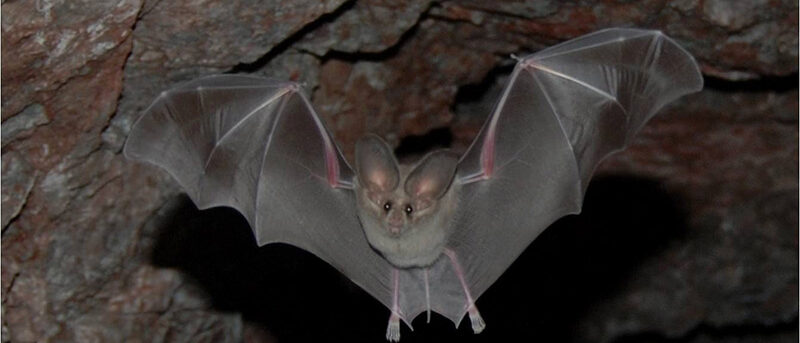
Bats live in a world of ultrasound. They navigate and hunt by sending out high-frequency pulses and listening for the echoes. Their whole system is built around high-pitched sound. Adding a little more ultrasonic noise to that environment is like trying to scare off a subway commuter by playing subway sounds. It is background, not a threat.
There is also no research showing these devices reliably drive bats from a roost. Regulators have gone after manufacturers for unsubstantiated claims about ultrasonic pest repellents. In practice, bats either ignore the devices or investigate, find nothing, and settle back in.
The bigger problem is habituation. When a new sound shows up, bats check it out, decide it is harmless, and go back to roosting. Within days the device is just part of the furniture, and your hundred dollars is doing nothing but humming.
Natural repellents: temporary at best
Cheap, easy, and chemical-free sounds great, which is why natural deterrents stay popular. The problem is they wear off fast. Here is what the common ones actually do.
Peppermint and essential oils
A strong peppermint spray might discourage a bat from landing on one spot for a few hours. But there is no evidence it drives bats out of an established roost, and the scent fades within a day. Then it is fair game again.
Bright lights
Bats like dark roosts, so a bright light aimed at an entry point can push them to a darker corner for a night or two. The trouble is they just move to another spot in the same space, or wait until the light is off. Once it is gone, they are back.
Fans and air currents
A strong fan can make a roost uncomfortable, and bats may shift to a draft-free corner. But it does not remove them from the building, and the moment the fan stops, they move back.
What actually works
Getting rid of bats is not about repellents. It is about exclusion: let them fly out to feed at night, then seal the way back in.
One-way exclusion valves
These are mesh tubes or cones that fit over an entry hole. Bats can push out through them, but the narrow mesh stops them crawling back in. Install one over every entry point during the evening, when the bats leave to feed. After a few nights, everything inside has left, and you can seal the holes for good.
Quarter-inch hardware cloth
For sealing gaps, vents, and soffits, quarter-inch hardware cloth is the standard. Many bats can squeeze through a gap as small as three-eighths of an inch, so half-inch mesh and standard window screen won’t cut it. Galvanized cloth resists rust and chewing. Screw it down with washers; staples and nails pull loose when animals push on the mesh.
Chimney caps
An uncapped chimney is an open door for bats, birds, and raccoons. A stainless steel cap with quarter-inch mesh closes that entry permanently, and it is one of the cheapest bat-proofing moves you can make.
Sealing and caulking
Bats get in through gaps that look too small to matter: loose siding, warped soffits, cracked window frames, gaps around pipes and wires. Walk the roofline, eaves, and fascia, and seal every opening with exterior caulk, expanding foam, or flashing. Pay attention to the ridge vent, gable vents, and the seam where the roof meets the fascia.
Frequently Asked Questions
Many of these devices run at frequencies dogs and cats can hear, and some pets act agitated around them. So you get a gadget that doesn’t work on bats and annoys your dog. Skip it.
Don’t. Mothballs are pesticides meant for sealed containers, not open attics, and using them this way is illegal in a lot of places. They put toxic fumes into your home and still don’t drive bats out of a roost.
With one-way valves installed correctly, most bats leave within the first few nights. Give it up to a week to be sure, then seal the entry points for good.
No. Bats are loyal to a good roost and will come back year after year unless you physically block them. Waiting just gives the colony more time to grow and pile up guano.
A bat house gives bats an alternative roost, but it won’t pull them out of an existing attic colony. Exclusion clears the attic first; then a bat house nearby is a nice way to keep them around your yard without sharing your home.
The Bottom Line
Save your money and skip the repellents. The fix for bats is structural, not electronic: one-way valves to let them out, then a thorough sealing job to keep them out. A ten-dollar tube of caulk will do more than any hundred-dollar gadget ever will.