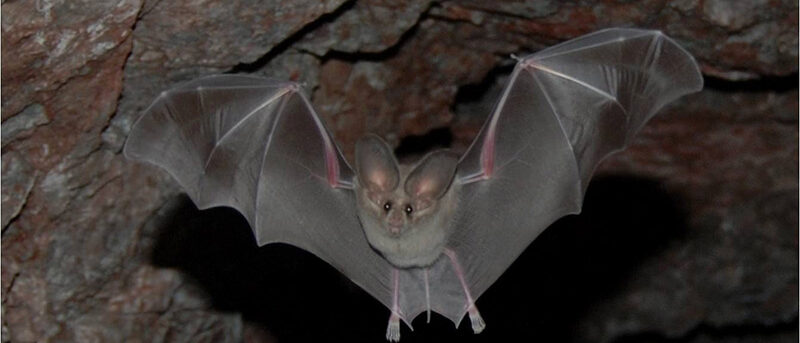

Bats are among the most misunderstood yet essential mammals in my ecosystem, with a single brown bat devouring up to 1,000 mosquitoes in just one hour.
Installing a bat house on your property provides critical roosting habitat for these nocturnal pest controllers. It also supports declining bat populations affected by habitat loss and white-nose syndrome.
During bat maternity season, these houses provide critical nursery habitat. I researched the top bat houses to help you choose the right shelter for your property.
- Chamber count matters: Multi-chamber bat houses (2-3 chambers) accommodate larger colonies and provide better temperature regulation than single-chamber designs.
- Material determines longevity: Cedar and cypress outlast pine and plywood by years. Look for kiln-dried, naturally rot-resistant woods with stain rather than paint.
- Placement drives occupancy: Bat houses mounted 12-20 feet high on poles or buildings with 6-8 hours of direct sun consistently outperform tree-mounted boxes.
- Ventilation and landing area are critical: Bottom vents prevent overheating, and a textured landing platform helps bats grip on approach.
Quick Comparison
| Product | Chambers | Material | Best For | Buy |
|---|---|---|---|---|
| KIBAGA Ultimate Bat House | 2-Chamber | Waterproof Cedar | Best Overall | Check price |
| Applewood Outdoor Premium Bat House | 2-Chamber | N. American Pine | Premium USA Made | Check price |
| BIGBATBOX 2-Chamber | 2-Chamber | Cedar | Best Value | Check price |
| Skycave Pro 3-Chamber | 3-Chamber | Japanese Red Cedar | Best Large Capacity | Check price |
| Amish-Made 20-Colony Shelter Box | Single | Poly Lumber | Best Eco-Friendly | Check price |
Best Overall: KIBAGA Ultimate Bat House
 Best Overall
- Size
- 16.5 x 10.2 x 4 inches
- Chambers
- 2-chamber
- Material
- Waterproof cedar
- Capacity
- Up to 50 bats
- Mounting
- Pre-assembled, screws included
The KIBAGA Ultimate Bat House combines premium waterproof cedar construction with a thoughtful 2-chamber design that accommodates up to 50 bats.
The cedar wood is naturally resistant to rot and insect damage, while the waterproof coating ensures the house weathers years of rain and sun without deterioration.
The landing area is textured with grooves that help bats grip on approach, and the bottom ventilation slats prevent overheating during summer months. Unlike many bat houses that arrive flat-packed, the KIBAGA comes pre-assembled and ready to mount.
The 2-chamber design provides two separate roosting spaces with different temperature zones, allowing bats to choose their preferred microclimate. For homeowners who want a move-in-ready bat house with premium materials, the KIBAGA is the clear choice.
Best Premium USA Made: Applewood Outdoor Red Cedar Bat House
 Best Premium USA Made
- Chambers
- 2-chamber
- Material
- US-sourced pine with red cedar finish (¾ in thick)
- Capacity
- ~50 bats
- Mounting
- Pre-drilled, bracket included
- Origin
- Made in USA
The Applewood Outdoor Premium Bat House is proudly manufactured in the USA using North American pine with a premium red cedar finish.
This 2-chamber bat house is designed with the bat’s natural roosting preferences in mind, the interior surfaces are roughened to give bats a secure grip, and the narrow chamber spacing (¾ inch) mimics the tight crevices bats naturally seek in trees and rock faces.
The angled roof prevents rain entry, and the bottom ventilation panel allows hot air to escape during summer. Applewood includes a pre-installed mounting bracket and all necessary hardware, making installation straightforward.
The weather-resistant stain and sealant protect the wood from rain, snow, and UV damage. This is the best choice for buyers who want to support American manufacturing.
Best Value: BIGBATBOX Bat House
 Best Value
- Chambers
- 2-chamber
- Material
- Cedar with black heat-absorbing stain
- Capacity
- 75+ bats
- Mounting
- Fully assembled, cleat and screws included
The BIGBATBOX 2-Chamber Bat House delivers exceptional value without compromising on quality. Constructed from cedar with a durable black stain that absorbs maximum solar heat, this bat house maintains optimal roosting temperatures even in cooler climates.
With a capacity of 75 bats, it offers the highest capacity-per-dollar ratio of any bat house on my list. The 2-chamber design provides separate roosting compartments, and the landing area extends the full width of the box for easy access.
The black color absorbs heat efficiently, making this an excellent choice for northern states and cooler regions where bat house occupancy is traditionally harder to achieve. The BIGBATBOX comes fully assembled with a mounting cleat and screws.
For budget-conscious buyers who want maximum bat capacity, the BIGBATBOX is the best value on the market.
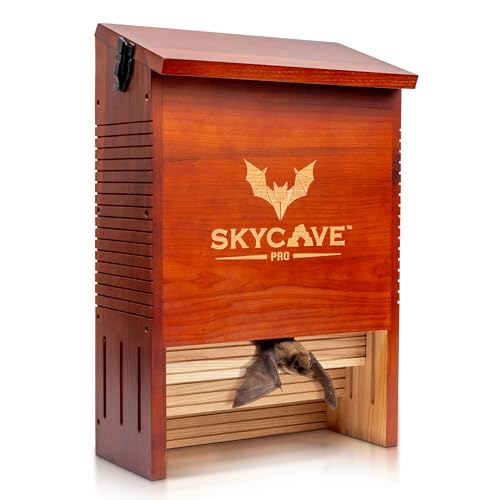
Best Large Capacity: Skycave Pro Cedar Bat House
 Best Large Capacity
- Chambers
- 3-chamber
- Material
- Kiln-dried Japanese red cedar
- Capacity
- 200+ bats
- Hardware
- 304 stainless steel
- Ventilation
- Bottom vents plus hinged front for cleaning
The Skycave Pro is the largest bat house on my list, featuring a 3-chamber design made from Japanese red cedar with a capacity of up to 200 bats. This is the ideal choice for large properties, farms, and conservation-minded homeowners who want to support a significant bat colony.
The 3 chambers provide three distinct temperature zones, allowing bats to move between chambers as temperatures change throughout the day. The front panel is hinged for easy cleaning and inspection, and the textured landing area extends the full width of the house.
Japanese red cedar is naturally resistant to rot, insects, and weather damage, giving this bat house a lifespan of 15-20 years with minimal maintenance. The Skycave Pro is the best choice for maximum bat conservation impact.
Best Eco-Friendly: Amish-Made 20-Colony Bat House
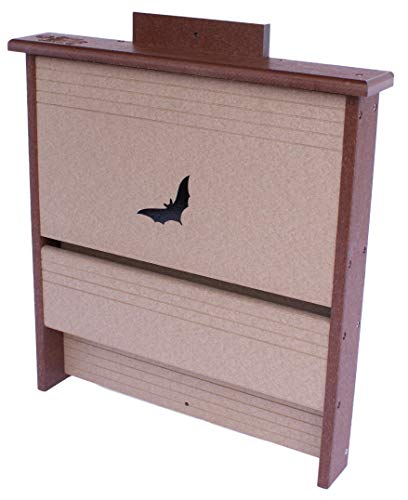 Best Eco-Friendly
- Chambers
- Single-chamber (20-colony)
- Material
- Eco-friendly poly lumber
- Capacity
- Up to 20 bats
- Hardware
- Stainless steel screws
The Amish-Made 20-Colony Bat House Shelter Box stands apart for its unique construction and craftsmanship.
Handcrafted by Amish artisans in Shipshewana, Indiana, this bat house uses eco-friendly poly lumber, a recycled plastic lumber that outlasts wood without rotting, splitting, or requiring refinishing.
Stainless steel screws throughout ensure the box stays together for a lifetime, and the three available color combinations (Tudor Brown, Weathered Wood, and others) allow you to match your exterior aesthetics. With a 4.8-star rating, this is the highest-rated single-chamber bat house available.
While the 20-bat capacity is modest compared to multi-chamber alternatives, this box is designed for smaller properties, suburban backyards, or areas where a discreet bat shelter is preferred.
The poly lumber construction never needs painting, staining, or sealing, making it the lowest-maintenance option. For eco-conscious buyers who want a bat house that will outlast their home, the Amish-Made option is the clear choice.
How to Choose a Bat House
Choosing the right bat house depends on your property size, climate, and conservation goals. Here are the key factors to consider:
Location and Mounting Height
Bat houses should be mounted 12 to 20 feet above the ground on a pole or the side of a building. Pole-mounted houses consistently outperform building-mounted houses because they receive more sunlight and are less accessible to predators.
The house should face south or southeast to receive 6-8 hours of direct sunlight daily. Avoid mounting bat houses on trees, tree-mounted houses receive less sun and are more accessible to predators like raccoons and snakes.
Size and Chamber Configuration
Larger bat houses with multiple chambers maintain more stable internal temperatures and accommodate larger colonies. A 2-chamber house is the minimum recommended size. Three-chamber houses provide the best temperature regulation because bats can move between chambers as temperatures change.
Single-chamber houses are suitable for small properties but have lower occupancy rates.
Materials and Construction
Cedar is the gold standard for bat houses because it is naturally rot-resistant, insect-repellent, and durable. Cypress is another excellent choice. Pine and plywood are less expensive but deteriorate faster, especially in humid climates.
Stained houses outperform painted houses because stain allows the wood to breathe while paint traps moisture. Look for exterior-grade screws that are galvanized to prevent rust.
Ventilation and Landing Platform
Bottom ventilation slats allow hot air to escape during summer afternoons, preventing the interior from becoming too hot for roosting bats. A textured landing platform extending 3-6 inches below the entrance gives bats a surface to grip as they land.
Without a proper landing area, bats may struggle to enter the house, especially in windy conditions.
Frequently Asked Questions
Most bat houses attract bats within 1-2 years, though some are occupied within weeks. Houses in areas with existing bat populations tend to be occupied faster. Installing a bat house near a water source and away from bright lights can speed up the process.
Late winter or early spring (February-April) is the best time to install a bat house. This gives bats time to discover the house before maternity season begins in May. However, bat houses can be installed year-round in most climates.
Clean your bat house once per year in late fall or early winter when bats are not present. Remove old guano and nesting material. Check for cracks, loose screws, and wasp nests. Do not clean during maternity season (May-August) when young bats are present.
Yes. A single little brown bat can eat 600-1,000 mosquitoes per hour. A colony of 50 bats in your bat house consumes over 1 million mosquitoes per night, providing natural pest control without chemicals.
Dark colors absorb heat and are recommended for most climates. Use exterior-grade water-based stain rather than paint. Paint can peel, chip, and trap moisture against the wood, leading to rot and reduced lifespan. In northern climates, black or dark brown stain is ideal.
In hot southern climates, medium brown or dark gray stain prevents overheating.