
There are no bat traps you can legally buy and use to remove a colony from your home, and that is by design. Bats are removed through exclusion: one-way devices that let them leave but not return. Trapping is both ineffective and illegal in most cases.
- Bat traps do not exist as a legal removal tool. Bats are excluded, not trapped.
- Most bats are protected by law, and capture or relocation is prohibited in many states.
- Exclusion is a one-way door or tube over the entry point, followed by permanent sealing.
- Timing matters: never exclude during maternity season, when flightless pups are inside.
Why You Cannot Trap Bats
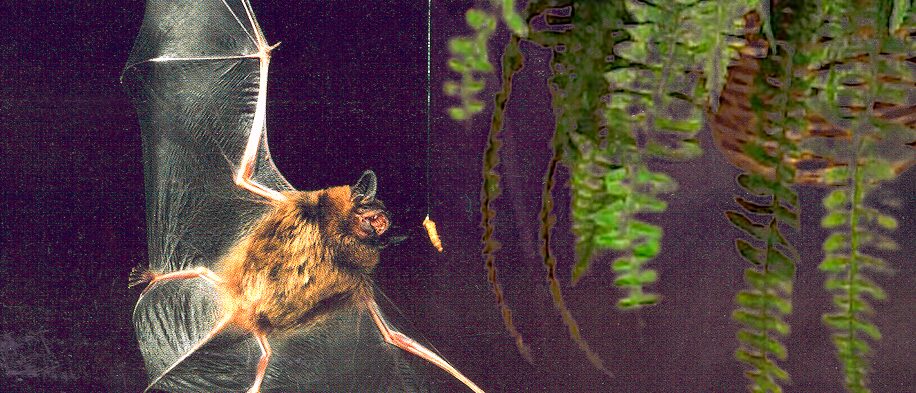
Bats are not a trap-and-relocate species. Most North American bats are protected under state and sometimes federal law, and capture or relocation is prohibited in many jurisdictions. Even where trapping is technically allowed for research, it requires specialized equipment, permits, and trained personnel.
Beyond the legal issue, trapping does not work for colonies. Bats roost in the hundreds, and you cannot trap your way out of a roost. The only effective and humane method is exclusion.
What Exclusion Actually Means
Exclusion is a multi-step process. First, a professional identifies every entry point the bats use, usually gaps in the roofline, soffits, fascia, or vents. Then all openings except the main exit are sealed.
A one-way exclusion device, usually a tube or cone, is mounted over the main exit. Bats can fly out at dusk to feed but cannot get back in. After several days of confirmed activity, the device is removed and the final opening is sealed permanently.
Why Timing Is Critical
Bats give birth in the summer, and the pups cannot fly for several weeks. If you exclude during that window, the adults leave but the flightless young are trapped inside, where they die and can end up in your living space.
Most states restrict exclusion during the maternity season, roughly May through August depending on the species and region. This is why bat work is usually scheduled in spring or fall.
If you see bats leaving your roofline at dusk, note the spot but do not seal it. Watch for several evenings to confirm the exit point, then call a professional to handle the exclusion at the right time of year.
What to Do If a Single Bat Gets Inside
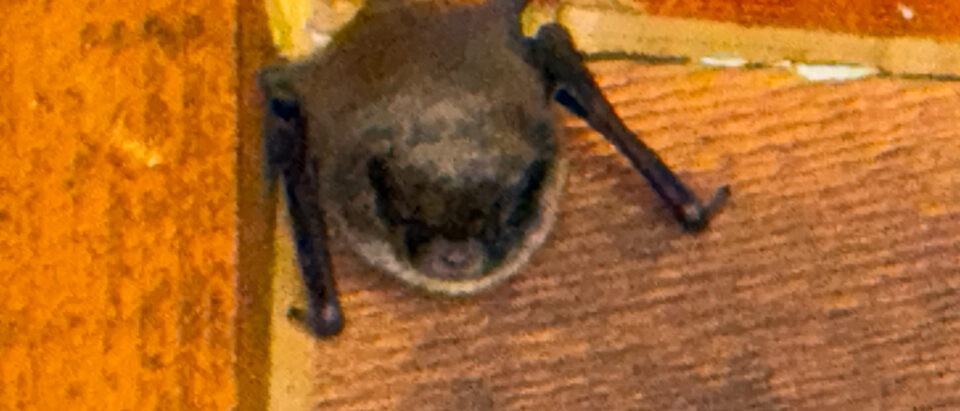
A lone bat in a room is different from a colony. Close interior doors, open a window, and let it fly out on its own. If it lands, you can capture it by covering it with a box and sliding a stiff card underneath, but wear thick gloves and never handle a bat with bare hands, since bats can carry rabies.
When to Call a Professional
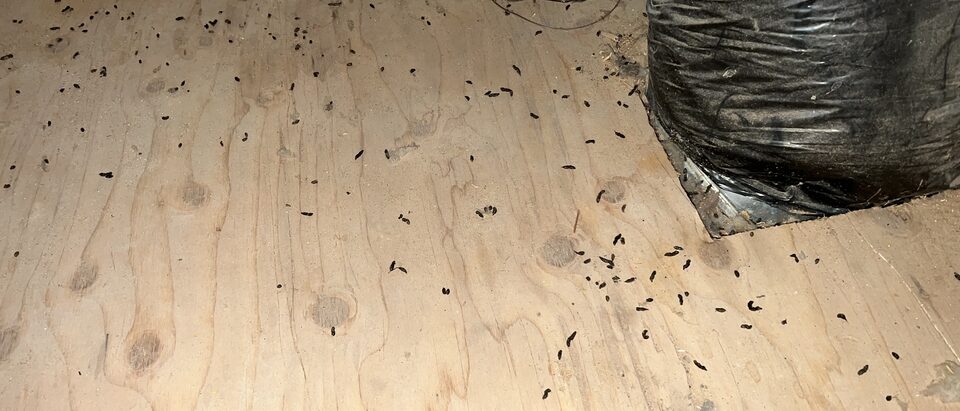
Always call a professional for a bat colony. Exclusion requires working at height, sealing every gap correctly, and timing the work outside maternity season. A professional also handles the guano cleanup, which is a separate health and safety job.
Bat exclusion typically runs $300 to $1,500 or more, with cleanup and sealing billed separately.
Frequently Asked Questions
You will not find a legal bat trap for sale to the public, because trapping bats is prohibited in most jurisdictions. The legal and effective method is exclusion, not trapping.
Bats provide enormous value as insect predators, and many species are in decline from habitat loss and white-nose syndrome. Legal protections ensure bat colonies are removed humanely through exclusion rather than killed or trapped.
A one-way tube or cone mounted over a bat’s exit point. Bats can fly out to feed but cannot re-enter. It is the standard humane method for removing a colony, followed by permanent sealing.
It is strongly discouraged. Exclusion requires finding every entry point, working at height, and timing the job outside maternity season. Done wrong, you trap flightless pups inside or leave the roost half-sealed. Call a professional.
In spring or fall, outside the summer maternity season when pups are flightless. The exact window varies by species and state, which is another reason to work with a professional who knows local rules.