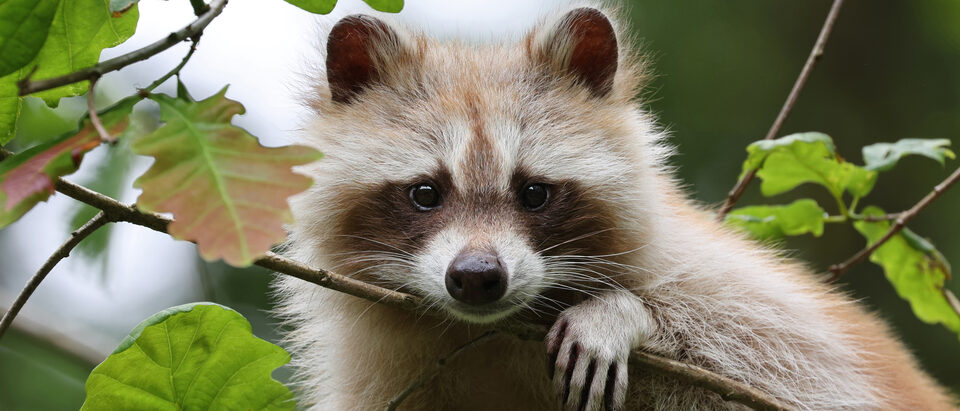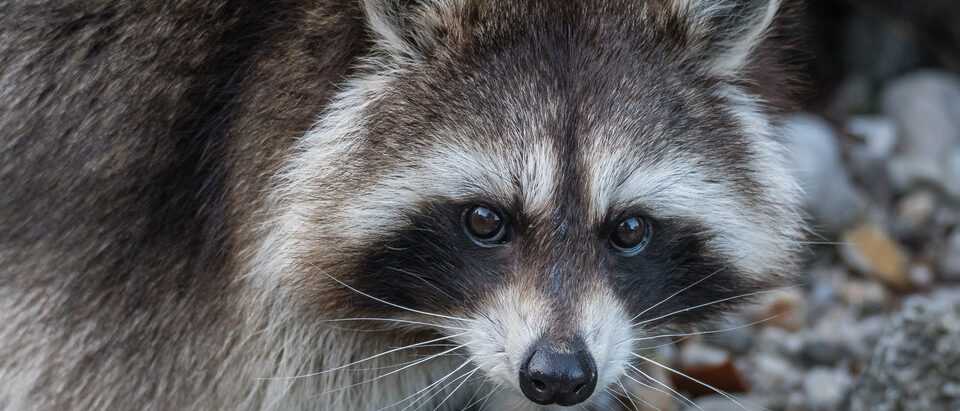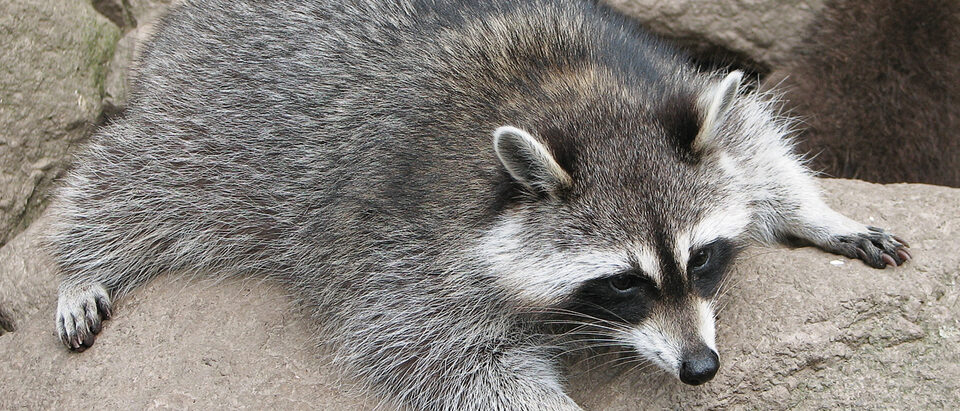

Yes, raccoons tend to defecate in the same spots repeatedly, creating latrines that can be hazardous to your family and pets. Raccoons are creatures of habit and will return to the same area to relieve themselves if food and shelter are nearby.
Their droppings can carry raccoon roundworm and other pathogens. This guide covers how to deter raccoons from pooping in your yard using proven methods.
- Raccoons create latrines in specific spots and return to them repeatedly. Breaking this habit requires making the area unusable.
- Remove food sources like garbage, pet food, and birdseed to eliminate the reason raccoons visit your yard.
- Motion-activated sprinklers are among the most effective humane deterrents for raccoons.
- Raccoon droppings are hazardous and should be cleaned with proper safety gear. Never handle them bare-handed.
Why Raccoons Pick the Same Spot
Raccoons use communal latrine sites, returning to the same location again and again. They typically choose flat, raised areas such as the base of a tree, a log, a rock, a roof, or a deck corner. Once a site is established, the scent draws them back.
The same three things bring raccoons to your yard in the first place: food, water, and shelter. If any one of these is present, raccoons will tolerate minor annoyances to stay.
Remove Food and Shelter
- Secure garbage cans with locking lids or bungee cords. Take cans out the morning of pickup, not the night before.
- Remove pet food and birdseed from outdoors at night. Store it in sealed containers inside a garage or shed.
- Clean up fallen fruit from trees and pick garden vegetables as they ripen.
- Eliminate standing water sources such as uncovered pools, birdbaths, and pet bowls left out overnight.
- Block access under decks, porches, and sheds with 1/4 inch hardware cloth buried a few inches below ground.
Clean Up the Latrine Safely
Raccoon droppings can carry raccoon roundworm, whose eggs can survive in soil for a long time. Cleaning the area is important, but it must be done carefully.
- Wear an N95 or higher respirator, disposable gloves, and washable clothing. Raccoon roundworm eggs are microscopic and can become airborne if disturbed.
- Mist the droppings lightly with water before removal to keep particles from becoming airborne.
- Bag the droppings and surrounding soil and dispose of them per local waste regulations.
- Wash your hands thoroughly after cleanup, even if you wore gloves.
Once the latrine is removed, raccoons may still return to the spot out of habit. Pair the cleanup with the deterrents below.
Deterrents That Help
- Motion-activated sprinklers startle raccoons with a sudden burst of water and are among the most reliable humane deterrents.
- Motion-activated lights can help, though raccoons may learn to ignore them over time.
- Physical barriers such as fencing or hardware cloth are the most permanent fix for gardens and under-deck areas.
- Scent repellents may provide temporary relief but need frequent reapplication and are not reliable on their own.
Frequently Asked Questions
Yes. Raccoon droppings can carry raccoon roundworm, which can infect dogs that sniff or eat contaminated material. Keep pets away from any area where raccoon droppings have been found until it is cleaned and disinfected.
Raccoon droppings are dark and tubular with rounded ends, often containing visible undigested food such as seeds or berries. They are usually found in clusters at a latrine site rather than scattered. If you are unsure, leave it alone and call a professional.
Not by itself. Raccoons may keep returning to the spot out of habit even after you clean it. For lasting results, combine cleanup with removing food sources and installing deterrents such as motion-activated sprinklers.
They are among the most effective humane deterrents, because the sudden spray creates a strong negative association. They work best when combined with removing food sources and blocking shelter.
Call a professional wildlife removal service if you have a persistent latrine, a large accumulation of droppings, or raccoons living under a structure. Professional cleanup is also worth considering for large latrines because of the roundworm risk.
The Bottom Line
Raccoons defecate in the same spots out of habit, and those latrines can pose a health risk. The most effective approach combines three steps: remove the food and shelter that attract raccoons, clean existing latrines with proper protective gear, and install deterrents such as motion-activated sprinklers to break the habit.
Removing the poop alone will not solve the problem. Cut off the attractants and add a deterrent, and raccoons will usually move on.