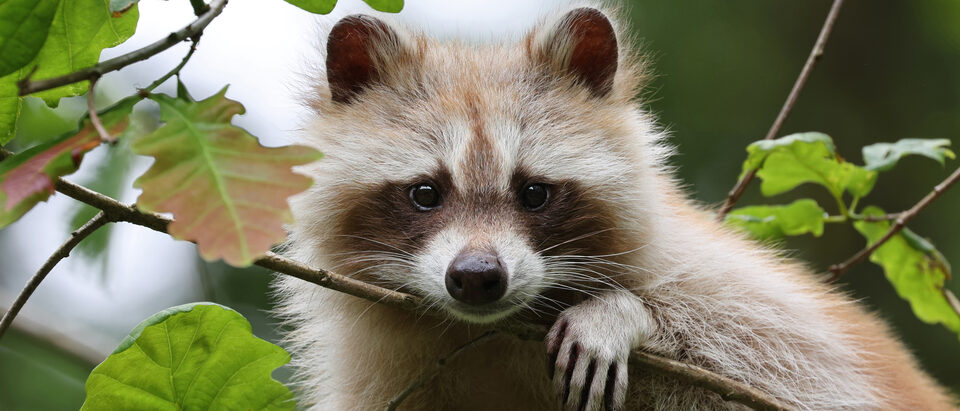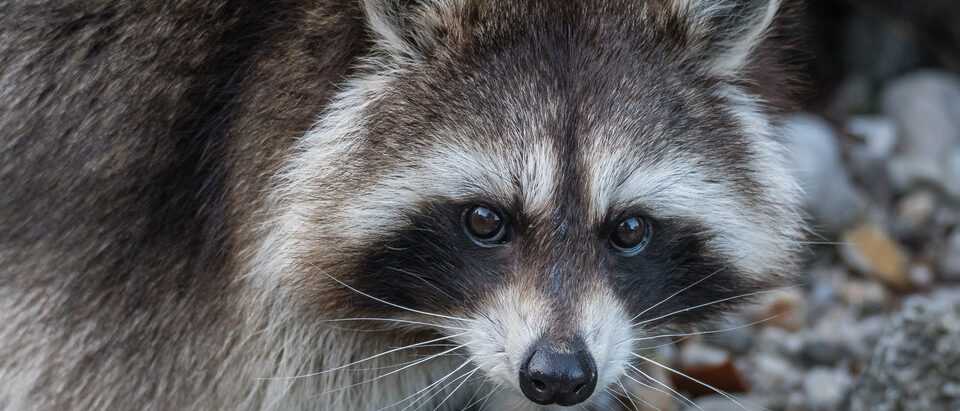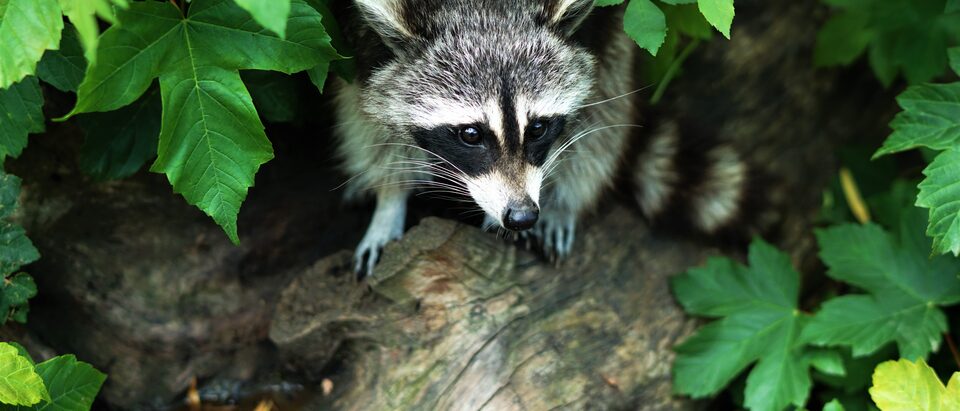

After raccoons, the cleanup bill usually comes in higher than the removal itself. Removal only covers getting the animal out: the repair work that comes after (ripped insulation, chewed wiring, a torn-up roof) is where the real money goes. If you want a number for your own job before calling anyone, my cost calculator turns these ranges into an estimate in 30 seconds.
Every job is different, so I won’t pretend to hand you exact numbers. What I can do is show you the seven places raccoons cost you money, and what drives each one up or down. Then you can call three local companies and compare quotes with your eyes open.
1. Getting the raccoon out
Removal and exclusion is the first bill you pay, and it is usually not the last. You are paying for a pro to trap or one-way-door the animals out, then seal every entry point so they can’t come back.
The price depends on how many raccoons are up there, how easy the access is, and whether babies are involved. A simple one-door job costs less than a full attic colony with pups. This is one place not to go with the cheapest bid, because a raccoon left behind means paying for all the cleanup twice.
2. Contaminated insulation
Raccoons use a corner of your attic as a latrine. Once droppings and urine soak into insulation, you can’t clean it. It has to come out and be replaced.
This is usually the single biggest line item, because it means bagging and hauling out the old insulation, sanitizing the space, and blowing in fresh material. The bigger the attic, the higher the bill. If the damage is localized, you might only replace a section instead of the whole thing.
3. Roof repairs
Raccoons don’t knock politely. They tear up shingles, rip open soffits, and bend flashing to get inside. Once they are out, someone has to put the roof back together.
Small patches cost less than a full section replacement. The type of roofing, the pitch of your roof, and how high up the damage is all move the number. While you are up there, check the ridge vent and any dormers, because those are favorite entry points.
4. Chewed wiring
Raccoons gnaw on wires the way some people chew pencils. Exposed or damaged wiring in an attic is a fire hazard, so you can’t just ignore it.
Electricians charge by the hour and by how much has to be re-run. A single chewed section might be a quick fix; a raccoon that went to town on your wiring means pulling new lines. Never let a handyman who is not licensed touch the electrical, even if it saves a few bucks up front.
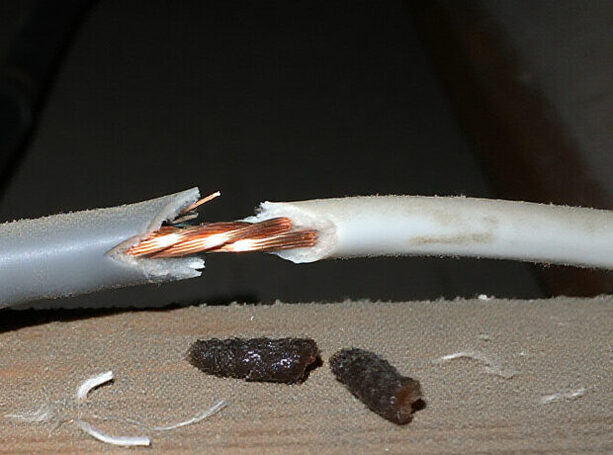
Chewed cable and droppings in a wall cavity
5. Ductwork and HVAC
Flexible ductwork in attics is soft and easy to tear, which makes it raccoon bait. Ripped ducts leak your heated or cooled air into the attic, so your HVAC works harder and your bill creeps up.
Replacing a short run of flex duct is cheaper than replacing hard metal ductwork. Have whoever inspects the attic check every duct, not just the one next to the obvious damage.
6. Garden, lawn, and landscape
Raccoons roll up turf looking for grubs, knock over plants, and dig through garden beds. This is the most visible damage and usually the cheapest to fix.
Resodding a patch of lawn or replanting a bed is straightforward. The real fix is removing whatever is attracting them (grubs, an open compost pile, or unsecured garbage), or you will be replanting again next month.
7. Sealing the place up
Prevention is the smallest bill on this list and the one that saves you every other cost here. Sealing entry points with hardware cloth, chimney caps, and proper vent covers stops the problem before it starts.
I would rather spend on this once than on removal and cleanup every year. If you do nothing else, cap the chimney and check the soffits and ridge vent this fall.
Frequently Asked Questions
It depends on your policy. Some cover sudden damage, like a raccoon falling through a ceiling, but most exclude gradual damage from animals living in the attic. Take photos of everything and call your insurer before you start repairs, because they will want to see the evidence.
Get the animals out and the entry points sealed before you repair anything. There is no point replacing insulation while a raccoon is still using your attic as a bathroom. Removal first, then cleanup, then repairs.
Some of it, yes. Patching a garden bed or resealing a small gap is doable. But I would leave insulation removal, wiring, and anything on a steep roof to professionals. Contaminated insulation needs proper gear and disposal, and electrical work done wrong is a fire risk.
Seal every entry point, cap the chimney, trim branches that touch the roof, and lock down your garbage. Raccoons come back to places that were easy once. Make it hard, and they move on to someone else’s attic.
Removal and exclusion usually takes a few days to a week, and the cleanup and repairs depend on how much damage there is. A simple job might be done in a week; a full attic teardown can run longer. Your contractor’s schedule matters as much as the damage does.
The Bottom Line
Removal is the cheap part. The cleanup and repair that follow are what actually cost you. Plan for insulation, wiring, and roof work on top of the removal bill, and get at least three quotes before you sign anything.
If you only remember one thing, make it this: seal the entry points after the raccoons are out. It is the smallest expense here and it prevents every other cost on this list.