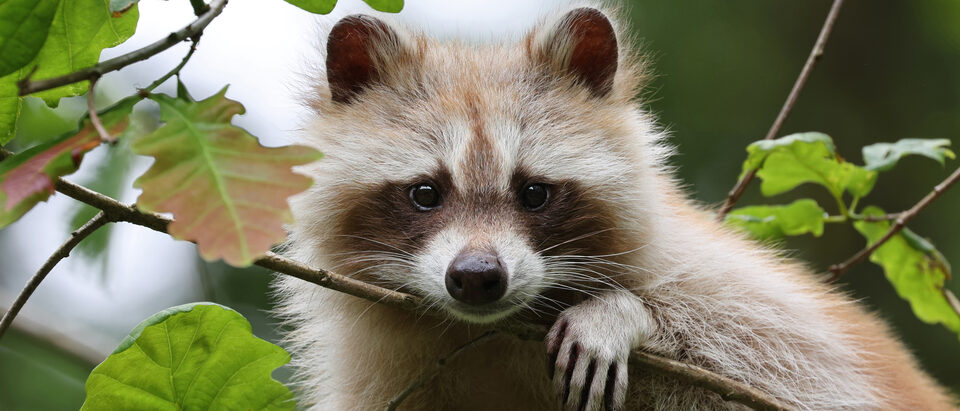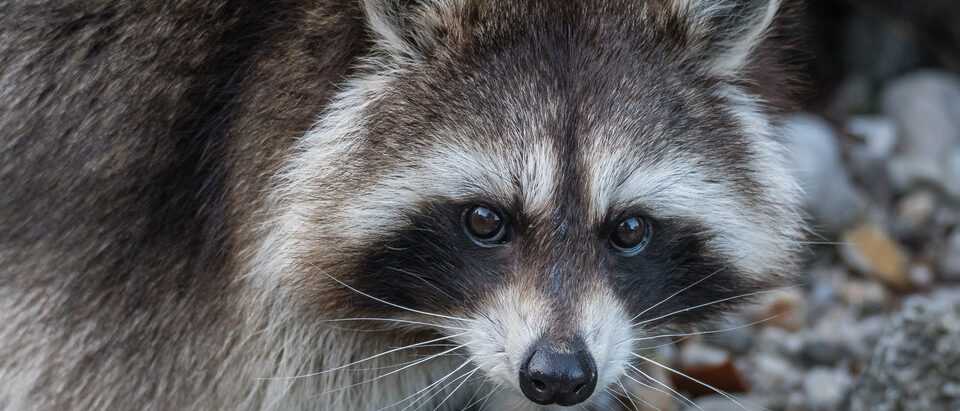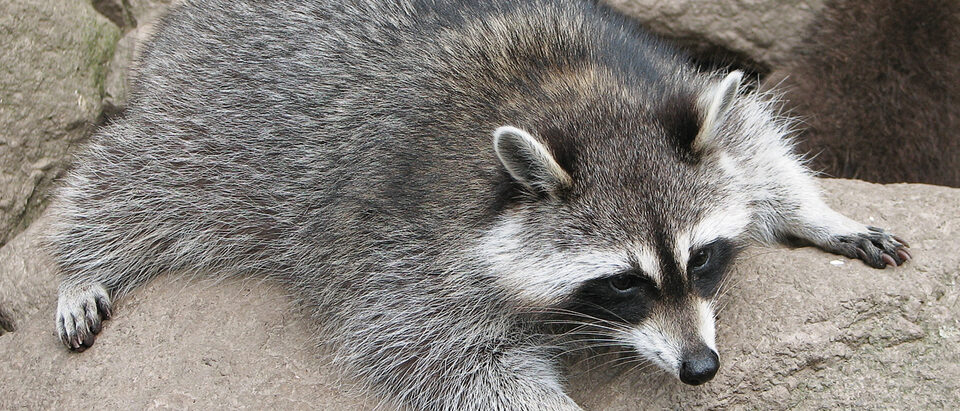

The best way to keep raccoons off a deer feeder is to make the feeder impossible to climb and to stop leaving corn on the ground overnight. A smooth pole with a properly sized baffle, a spin cast timed to daylight hours, and a low electric fence where your state allows one will end almost every raid. Raccoons are strong climbers with hand-like forepaws, and a feeder that throws corn onto the dirt at 2 a.m. is the easiest meal in the yard.
A deer feeder full of corn is one of the best deals a raccoon will find all year. It does not have to dig, hunt, or climb a tree for it. It walks up a pole, works the spinner plate open, and eats until it is full. This guide covers what actually stops that, what wastes your money, and the rules to check before you feed deer at all. For the fence side of the job, see my raccoon-proof fencing guide.
- Exclusion comes first. A metal baffle on a smooth pole stops more raccoons than every scent, spray, and light combined.
- Feed on a schedule. Raccoons work at night. Corn still on the ground after dark is their dinner.
- Check your state before you feed. Baiting and feeding deer are restricted or banned in a growing number of states because of chronic wasting disease.
- Skip grease, tack strips, and mothballs. They fail outdoors, they are not labeled for wildlife, and they can hurt other animals.
Why Raccoons Beat a Feeder
An adult raccoon climbs with four gripping feet and forepaws that can open latches and unscrew lids. The Internet Center for Wildlife Damage Management puts the entry requirement for a raccoon at a gap of about 4 inches, and a feeder has far more than that. Once a raccoon finds food in one place, it comes back to that place every night.
The Maryland Department of Natural Resources lists one thing raccoons struggle with: a smooth pole they cannot wrap their paws around. Cast iron and other smooth poles no thicker than half an inch are hard for them to hold. Everything else on your feeder is climbable.
Baffles and Pole Setup
A baffle only works if it is the right size and it is out of reach.
- Use a baffle sold for raccoons, typically about 24 inches tall and 10 inches across. Squirrel baffles are too small and buy you days, not seasons.
- Mount it so the top edge sits at least 5 feet above the ground. Lower than that and a raccoon can reach over it or jump past it.
- Keep the pole at least 10 feet from trees, fences, sheds, and anything else a raccoon can climb on its way to the feeder. This is the step people skip, and it is the one that undoes everything else.
- Hang the feeder from a cable between two trees if you prefer. Same rule applies: 10 feet of clearance from any branch.
- Anchor the legs or strap the feeder down. Raccoons learn to tip a feeder over, and a tipped feeder feeds the whole neighborhood.
If you already own a bird feeder setup, the same logic in my raccoon-proof bird feeder guide applies to a deer feeder on a pole.
Feed on a Schedule, Not All Night
Raccoons are nocturnal. Deer feed hardest in the first and last light of the day. A feeder that throws corn around the clock is feeding both, and you only want one of them.
- Set the spinner for two daylight drops, early morning and late afternoon, and let the deer clean up the corn.
- If corn is still on the ground at dusk, you are feeding raccoons. Cutting the amount per drop is the fastest single fix available to you.
- Cage-style feeders that only allow a deer muzzle or tongue to reach the feed do exist. Before you buy one, make sure your deer will actually use it.
- Store corn in a sealed bin. An open bag next to the feeder is a second food source you are paying for.
Electric Fence Where It Is Legal
The Internet Center for Wildlife Damage Management calls electric fencing one of the few reliable barriers for raccoons, and notes that a single or double hotwire controls damage to sweet corn. The New York State Department of Environmental Conservation recommends two wires set at roughly 4 inches and 8 inches above the ground for raccoons in a garden.
For a deer feeder, keep the top wire low enough that a deer steps over the fence instead of jumping into it. The fence is meant to teach the raccoon, not to block the deer. Check state and local rules before you energize anything, and never run a fence where children or pets pass through it.
Feeding Concentrates Wildlife, and Your State Is Watching
This is the part most feeder guides skip. Feeding and baiting pull deer into close contact, and chronic wasting disease spreads through saliva, urine, and feces, with prions that survive in the soil long after the animals are gone.
That is why the rules vary so much by state, and why they change most years:
- Wisconsin issues a three-year ban on baiting and feeding in a county with a CWD positive, and a two-year ban in adjoining counties within 10 miles. Bird and small mammal feeders are still allowed within 50 yards of a home if the design keeps deer out.
- Michigan bans baiting and feeding across the entire Lower Peninsula. In the Upper Peninsula, feeding for viewing is capped at 2 gallons per residence per day, spread over a 10 by 10 foot area, within 100 yards of a home, from September 15 through January 1.
- Washington banned feeding deer statewide in May 2025, with a 179 dollar infraction.
- Virginia bans feeding year round within 25 miles of a CWD detection, plus a statewide seasonal ban from September 1 to the first Saturday in January. Fines run up to 500 dollars.
Before you add a feeder, move one, or set a trap, check your state wildlife agency. Raccoons are also protected as fur-bearers in most states, and relocation is regulated, and often banned, because raccoons are a rabies vector.
What Does Not Work
- Mothballs and ammonia. Not labeled for wildlife, and the vapor does not carry far enough outdoors to matter. See why the same logic applies to the raccoon repellents people buy most.
- Grease, petroleum jelly, and carpet tack strips. They collect dirt, weather off in days, and can injure animals that touch them.
- Cayenne and hot pepper sprays. Rain washes them off, and raccoons get used to a treated spot within a week or two. It also ends up on the feed.
- Motion lights, radios, and sprinklers. Useful for a couple of weeks while a raccoon is still cautious, then ignored. I cover the pattern in motion sensor lights and raccoons.
The Damage They Do While They Try
A determined raccoon chews lids and hoppers, bends spinner plates, and empties a full hopper in a few nights. Repair and replacement numbers for this kind of damage are in my guide to the average cost of raccoon damage repair. Metal lids, leg anchors, and a strap are cheaper than a new feeder.
Droppings and Health Concerns
A raccoon latrine under a feeder is common, and raccoon droppings can carry raccoon roundworm, which survives in the soil around them. Do not sweep or blow that area. My guide to cleaning up raccoon droppings covers the gloves, the mask, and what to disinfect.
Never handle a raccoon with bare hands. A raccoon that is active in daylight, stumbling, or unafraid of people needs a professional, not a shovel. See whether raccoons are dangerous to humans for the signs that matter.
When to Call a Professional
Trapping a raccoon is legal in many places and tightly regulated in many others. Seasons, permits, and what you are allowed to do with a caught animal all vary by state, and moving a raccoon somewhere else is often prohibited outright.
A licensed nuisance wildlife operator knows the local rules and the equipment, and can tell you what your state allows on your property. My guide to what animal control does with raccoons explains what happens after the call.
Frequently Asked Questions
Only if it is the right size and it is out of reach. Raccoon baffles are typically around 24 inches tall and 10 inches wide, and the top edge needs to sit at least 5 feet above the ground with nothing climbable within 10 feet. A squirrel baffle will not do it.
Height by itself does not stop a raccoon, because it climbs. What matters is what the raccoon can grab: a smooth pole, a baffle it cannot reach around, and 10 feet of clearance from trees and structures.
They help more than any scent product you can buy. Raccoons feed at night while deer feed at dawn and dusk, so when the spinner only drops corn in daylight and the deer clean it up, there is nothing left after dark.
No. Mothballs are not labeled for wildlife, the vapor does not reach far enough to matter outdoors, and ammonia has to be reapplied constantly. Both are money spent with nothing to show for it.
Sometimes. Michigan bans it in the Lower Peninsula, Washington banned it statewide in May 2025, and Wisconsin and Virginia both restrict it around CWD detections. Check with your state wildlife agency before you set a feeder, because penalties reach into the hundreds of dollars.
Wear gloves and a mask, bag the droppings, and disinfect the ground you can reach. Raccoon roundworm lives in raccoon droppings and the soil around them and survives a long time. Never use a leaf blower on a latrine.