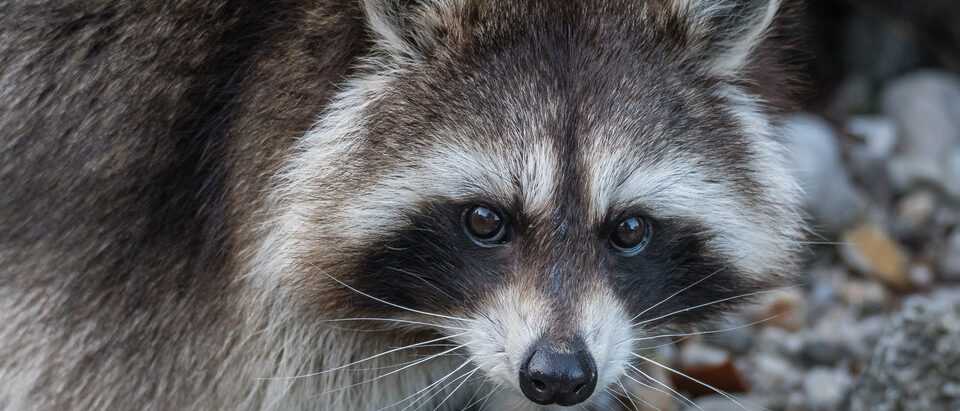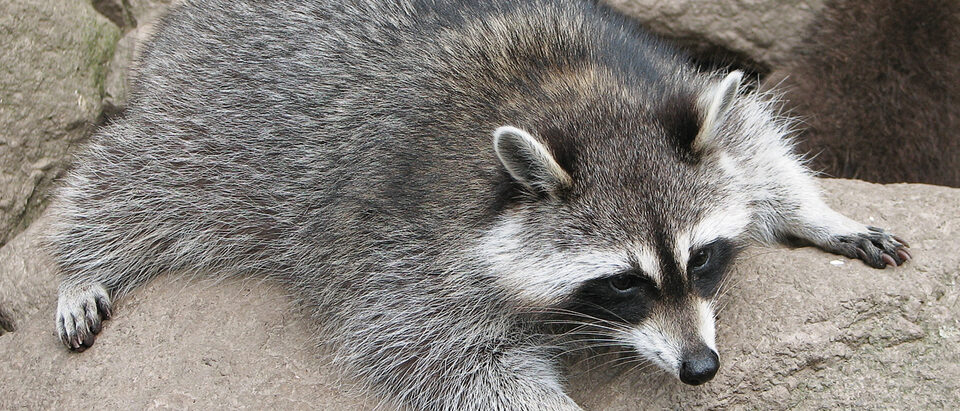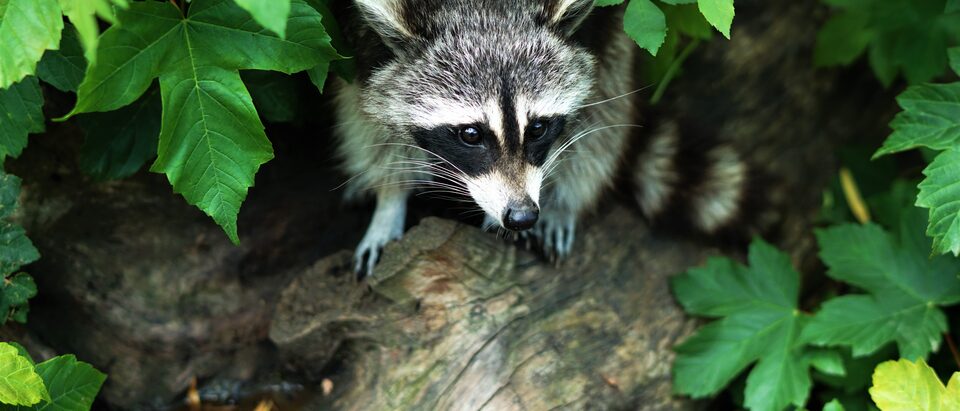

Yes, a raccoon can hurt you, and worse, it can make you sick. But here’s the honest version: most raccoons want nothing to do with you. The real danger comes from a specific few, the sick ones and the cornered ones, plus the mess they leave behind. I’ll walk you through the actual risks and how to stay safe without turning your yard into a panic zone.
- A raccoon that acts strange is a rabies risk. Never approach one that is staggering, drooling, or walking up to you without fear.
- The droppings are the quiet danger. Raccoon roundworm lives in raccoon poop and can cause serious nerve damage if you breathe in or swallow the eggs.
- They can bite and scratch. A cornered raccoon or a mother with babies will fight, and those teeth and claws do real damage.
- Most raccoons avoid people. The ones that don’t are usually sick, used to being fed, or protecting young.
Why Raccoons Hang Around Your Property
Before I get to the scary stuff, it helps to know why a raccoon is in your yard at all. Raccoons are adaptable, and they’ve figured out that neighborhoods are easy living. Garbage cans, pet food left out, bird feeders, a warm crawlspace under the deck, all of it reads as free food and a safe bed.
They are mostly active at night and will eat just about anything, which is exactly why they thrive around houses. Take away the food and the shelter and most raccoons move on without you ever having to touch one. That’s the first line of defense, and it’s the cheapest one.
Diseases Raccoons Carry
- Rabies. A viral disease spread through saliva, usually from a bite or scratch. CDC counts fewer than 10 human rabies deaths a year in the United States now that post-exposure treatment exists, but the exposure itself is common, so any bite or scratch from a raccoon is a medical matter, not a wait-and-see Raccoons are one of the most common carriers in the United States. Watch for staggering, drooling, and unprovoked aggression.
- Raccoon roundworm. A parasite whose eggs come out in raccoon droppings. CDC notes that you get it by swallowing the eggs, usually by accident, and that the raccoon species poses the greatest risk to people because raccoons live so close to our homes The eggs can survive in soil for a long time, and if you swallow them, the larvae can migrate to your brain and eyes and cause serious damage.
- Leptospirosis. A bacterial infection you can pick up from water or soil that has been in contact with raccoon urine. It usually starts with fever and headache.
- Salmonellosis. A food-poisoning type infection you can get from contact with droppings.
- Giardia. A parasitic infection that causes digestive trouble, usually from contaminated water.
Physical Dangers
Beyond disease, a raccoon can hurt you directly:
- Sharp claws and teeth. Raccoons have strong jaws and claws that leave deep punctures and scratches.
- Surprising strength. A full-grown raccoon runs maybe 10 to 20 pounds, sometimes bigger, and is strong enough to pry open a gap or tear at a barrier.
- Cornered means dangerous. A raccoon that feels trapped will fight hard. Never back one into a corner.
- Mothers with young. A female with babies will be aggressive. Give her space and don’t get between her and her den.
Signs of a Dangerous Raccoon
- Active during the day with no fear of people
- Staggering, walking in circles, or falling over
- Drooling or foaming at the mouth
- Hissing, growling, or charging
- Thin, ragged fur and a rough, sick look
- Walking right up to people or pets without hesitation
If you see a raccoon acting like this, do not go near it. Call animal control. Rabies is almost always fatal once symptoms show up, but the post-exposure shots work very well if you get them right after a bite.
How to Stay Safe Around Raccoons
- Don’t approach or touch them. Watch from a distance.
- Don’t feed them. Feeding teaches raccoons to see people as a food source and kills their natural caution.
- Lock down your garbage. Use cans with tight lids so you’re not setting the dinner table for them.
- Keep pets vaccinated against rabies.
- Watch the kids outdoors, and teach them never to chase or touch wildlife.
- Wear gloves and a mask if you have to clean up raccoon droppings.
- Call animal control for any raccoon that is sick, hurt, or acting aggressive.
Frequently Asked Questions
It’s rare, but a raccoon attack can cause serious injuries, especially to a child. The bigger risk is disease, rabies is almost always fatal once symptoms appear, and raccoon roundworm can cause permanent nerve damage. Treat them as wild animals and keep your distance.
Wash the wound right away with soap and water, and keep at it for at least 15 minutes. Get medical help immediately and report the bite to animal control so the raccoon can be tested for rabies. The post-exposure shots work well when you get them promptly.
I wouldn’t encourage it. Raccoons can carry disease, tear up property, and put pets and kids at risk. If they keep showing up, remove the food sources, seal any entry points, and give them a reason to go elsewhere.
Rabies spreads through saliva, usually by a bite or scratch. Just touching a raccoon is unlikely to pass it on unless the saliva gets into a cut or your eyes, nose, or mouth. But there’s no good reason to touch one. If you’ve had direct contact, talk to a doctor.
The Bottom Line
Raccoons are dangerous mainly through the diseases they carry, rabies and raccoon roundworm being the two that matter most. They can also bite and scratch hard.
Don’t feed them, keep pets vaccinated, watch the kids, and call animal control for any raccoon that seems sick or aggressive. Most raccoons want to avoid you. The one that doesn’t is the one you should be careful around.