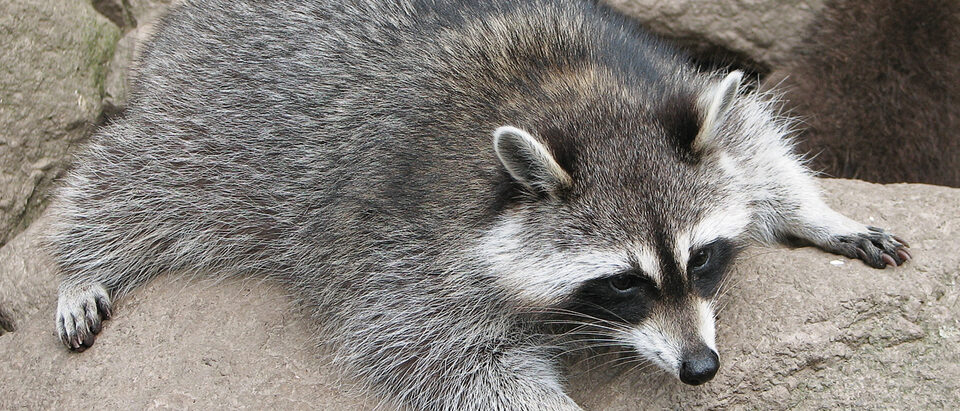

A raccoon in your garage usually wants out as badly as you want it gone. Give it a clear, quiet path and it’ll leave on its own most of the time.
Raccoons are smart, but one trapped in a garage gets confused. It’ll hide behind boxes, in storage, or up in the rafters. The goal is to make leaving the easy choice, without putting yourself in reach of its claws. Here’s the step-by-step.
Step 1: Stay calm
A raccoon that’s hiding isn’t an immediate threat unless you corner it. Don’t make sudden moves. If it’s tucked away, it’ll stay put until it feels safe enough to move.
Step 2: Open the garage door
Open the door as wide as it’ll go. Manual door, lift it all the way. Automatic, hit the button and leave it open. That open door is the raccoon’s escape route, so don’t stand in it.
Step 3: Clear the path
Move boxes, tools, and anything else out of the way between the raccoon and the open door. Give it an unobstructed line to the exit. Do this without getting close to the animal.
Step 4: Make the garage uncomfortable
You want it to prefer outside:
- Turn on every light. Raccoons are nocturnal and prefer the dark.
- Put a radio near the door on a talk station. Human voices make the space feel unsafe.
- Keep your distance. Stay well away from the raccoon and don’t block the exit.
Step 5: Wait
Give it time. With a clear exit and a little noise and light, most raccoons leave within a few hours. Check from a safe distance now and then, but don’t go back in while you’re waiting.
Step 6: Call a pro if it won’t leave
Call a wildlife control operator if:
- The raccoon is still there after several hours.
- It’s acting aggressive or looks sick.
- You think it’s a mother with babies.
- It’s stuck inside a wall or somewhere it can’t get out.
Step 7: Seal it up so it can’t come back
Once it’s gone, figure out how it got in:
- Check the garage door seal for gaps at the bottom and sides.
- Cover vents and windows with quarter-inch hardware cloth.
- Seal gaps around pipes with steel wool and foam.
- Keep the door closed, especially at night.
Frequently Asked Questions
Several days without food or water, but in that time it can do real damage to your stored items, wiring, and insulation. Don’t wait it out.
It can. Raccoons climb onto and into vehicles, chew wiring, and leave droppings. If it’s been in there a while, check your car before you drive.
It can’t operate an automatic opener, but it can lift a loose manual door or squeeze under a gap. Keep the seal tight and close any opening bigger than your fist.
Only as a last resort, and only if you know what you’re doing. If you trap, check it every few hours, a trapped raccoon gets stressed and aggressive fast. And note that relocating raccoons is illegal in many areas, so check local laws first.
Then don’t DIY it. Babies may be hidden somewhere, and moving the mother without them leaves you with a worse mess. Call a wildlife pro.