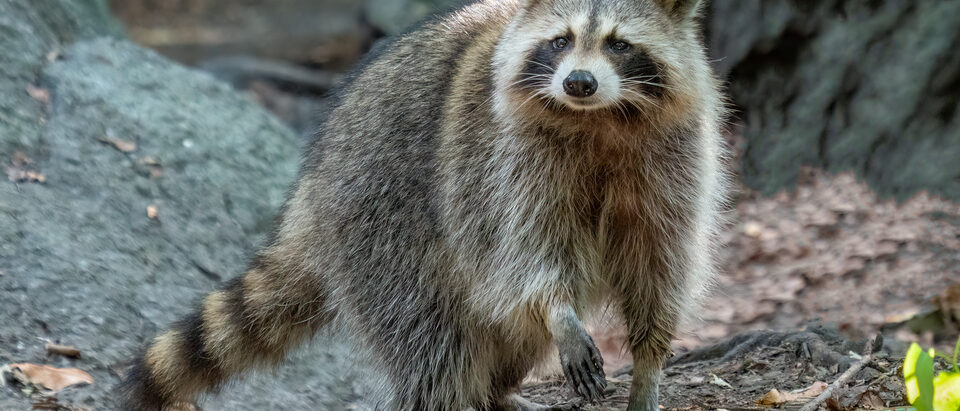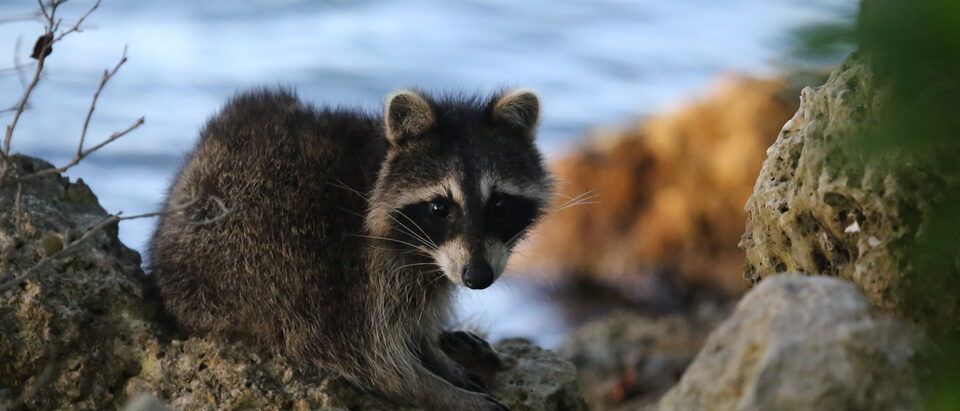

Raccoons can work a loose panel open with their dexterous forepaws, making flimsy fencing useless. The industry standard for stopping them is hardware cloth with 1/2 inch mesh combined with double-latch mechanisms on all access points.
This guide covers the 7 best fencing and exclusion products that actually keep raccoons out, from ground barriers to chimney caps.
- 1/2 inch mesh is the raccoon proof standard: Raccoons can reach through larger mesh sizes. Hardware cloth with 1/2 inch openings blocks entry while allowing ventilation.
- Exclusion plus repellents delivers the best results: Physical barriers stop raccoons from entering, while scent and taste deterrents discourage testing and exploration.
- Chimney caps and vent covers prevent attic entry: Raccoons exploit roofline vulnerabilities. Properly installed chimney caps and vent covers seal the most common overhead access points.
- Galvanized hardware cloth lasts years outdoors: 12-gauge galvanized wire resists rust, UV damage, and chewing better than plastic or welded wire alternatives.
Quick Comparison
| Product | Type | Material | Best For | Buy |
|---|---|---|---|---|
| Gartist Hardware Cloth 1/2 x 100 ft | Hardware Cloth | 19 GA Galvanized Steel | Best Hardware Cloth | Check price |
| 19 Gauge Black Hardware Cloth 1/2 x 4 x 100 ft | Hardware Cloth | 19 GA Black Coated Steel | Best Value Mesh | Check price |
| Anti-Climb Spikes 2 Pack | Anti-Climb Spikes | Stainless Steel | Best Anti-Climb | Check price |
| OWDE 5 Inch One Way Door Excluder | Exclusion Door | Galvanized Steel | Best Exclusion Door | Check price |
| Stanbroil 19 x 19 Inch Chimney Cap | Chimney Cap | Galvanized Steel | Best Chimney Cap | Check price |
| 304 SS Mesh Vent Cap 1.97 Inch | Vent Cover | 304 Stainless Steel | Best Vent Cover | Check price |
| Dig Defence X-Large Barrier, 6 Pack | Ground Barrier | Galvanized American Steel | Best Ground Barrier | Check price |
Best Raccoon Proof Fencing and Exclusion Products
1. Gartist 1/2 x 100 ft Hardware Cloth 19 GA (Best Hardware Cloth)

- Type
- Hardware Cloth
- Material
- 19 GA Galvanized Steel, 1/2 inch mesh
- Dimensions
- 1/2 inch x 48 inch x 100 ft roll
- Best Used For
- Garden beds, crawl spaces, shed bases, vent covers
- Pet Safe
- Yes, smooth edges with no sharp points
Raccoons rely on their dexterous forepaws to manipulate latches, pull at seams, and pry open gaps. The Gartist 1/2 inch x 100 ft hardware cloth is built specifically to defeat that ability.
At 19-gauge galvanized steel with 1/2 inch mesh openings, it blocks raccoon entry while remaining flexible enough to cut and shape around foundations, vents, and rooflines. The galvanized coating prevents rust and corrosion in wet conditions, making it suitable for direct ground contact where moisture is constant.
This is the same material used for sealing crawl spaces, garden beds, and shed perimeters. The 100 ft roll covers roughly 33 linear feet at 3 ft height, enough for a medium sized property or multiple smaller repair areas.
Use it with fencing staples or exterior grade screws every 4 to 6 inches to prevent raccoons from rolling the mesh edge. Pair it with repellents at the base to exploit their natural neophobia and keep them from testing the barrier in the first place.
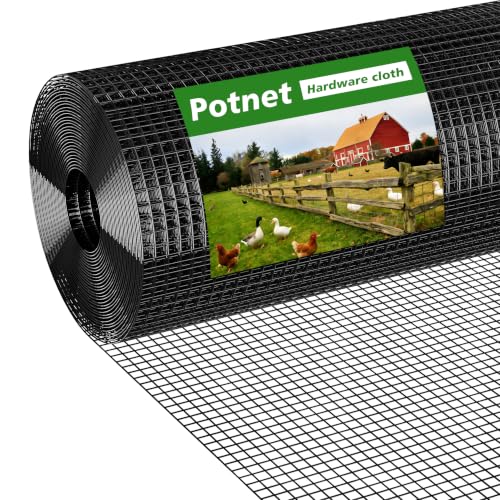
2. 19 Gauge Black Hardware Cloth 1/2 x 4 x 100 ft (Best Value Mesh)
- Type
- Hardware Cloth
- Material
- 19 GA Steel with Black PVC Coating
- Dimensions
- 1/2 inch mesh x 4 ft x 100 ft roll
- Best Used For
- Visible fencing, garden borders, porch skirting
- Pet Safe
- Yes, coated edges reduce abrasion risk
While standard galvanized hardware cloth does the job, this black coated 19-gauge alternative adds a layer of visual discretion that matters for visible fencing around decks, porches, and raised garden beds.
The 1/2 inch mesh size is the raccoon exclusion standard, and the black vinyl coating helps the mesh blend into shadows and dark surfaces so your property does not look like a construction site. The coating also adds minor corrosion resistance beyond the underlying steel, making it a good choice for damp climates or areas with frequent rain.
At 4 ft x 100 ft, this roll gives you more height than the standard 48 inch width, which is useful when you need to clear the reach of a raccoon’s forepaws or protect taller fence sections.
The material cuts cleanly with tin snips and holds its shape when stapled to wooden frames. While raccoons work hard at the mesh, the 1/2 inch grid prevents them from getting a toe hold, and the black finish minimizes the visual impact of your exclusion work.
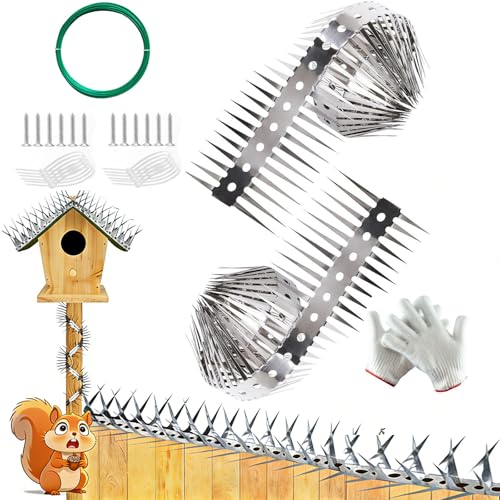
3. Anti-Climb Spikes 2 Pack (Best Anti-Climb)
- Type
- Anti-Climb Spikes
- Material
- Stainless Steel with Blunt Tips
- Dimensions
- 2 pack, each strip approximately 36 x 4 inches
- Best Used For
- Fence tops, rooflines, downspouts, ledges
- Pet Safe
- Yes, blunt tips prevent injury
Raccoons are exceptional climbers, capable of scaling brick, wood, vinyl siding, and downspouts using their dexterous forepaws and strong hind legs. The Anti-Climb Spikes 2 Pack creates an uncomfortable but harmless surface that prevents raccoons from gripping fence tops, rooflines, and ledges.
Made from stainless steel with blunt tipped spikes, these strips attach to any flat surface and create a physical barrier that raccoons cannot grip or climb over. The 2 pack covers roughly 6 ft of linear fence top space.
Installation is straightforward with included screws or heavy duty adhesive, depending on your mounting surface. Place them along the top rail of existing fences, above ground level barriers, or on downspout brackets where raccoons use the corner as a climbing route.
These spikes target the raccoons climbing drive rather than trying to block entry at ground level, which makes them a smart complement to hardware cloth exclusion. Their observational learning means a raccoon that fails to climb once will likely avoid that route in the future.
4. OWDE 5 Inch One Way Door Excluder (Best Exclusion Door)

- Type
- One-Way Exclusion Door
- Material
- Galvanized Steel
- Dimensions
- 5 inch diameter opening
- Best Used For
- Attic vents, crawl space entries, shed holes
- Pet Safe
- Yes, raccoons exit without harm
When raccoons have already taken up residence in an attic, shed, or crawl space, a one-way exclusion door is the most humane and effective removal method. The OWDE 5 Inch One Way Door Excluder attaches over the entry point and allows raccoons to exit on their own but prevents re-entry.
The design relies on a spring loaded door flap that raccoons can push outward but cannot pull inward, taking advantage of their forward movement pattern. This eliminates the need for trapping, relocation, or direct handling of the animal.
The 5 inch diameter fits standard raccoon entry holes and exclusion zones. Installation requires securing the unit over the identified exit point so the flap opens outward, then sealing all other entry holes with hardware cloth and 1/2 inch mesh.
Check the door after 48 to 72 hours and once you confirm no raccoons remain, seal the hole permanently with hardware cloth and double-latch mechanisms. This method respects their neophobia: raccoons are cautious about new objects, so the door should be pre-baited or installed at dusk when they naturally leave to forage.
5. Stanbroil 19 x 19 Inch Adjustable Chimney Cap (Best Chimney Cap)

- Type
- Chimney Cap
- Material
- Galvanized Steel with Stainless Steel Mesh
- Dimensions
- 19 x 19 inches, adjustable panels
- Best Used For
- Masonry chimneys, flue openings
- Pet Safe
- Yes, no moving parts or sharp edges
Chimneys are one of the most common entry points for urban raccoons looking for den sites. The Stanbroil 19 x 19 Inch Adjustable Chimney Cap covers standard flue openings and includes a heavy duty mesh barrier that blocks raccoons while allowing smoke and exhaust to vent properly.
The adjustable design fits a range of flue sizes, and the galvanized steel construction holds up against rain, snow, and temperature swings. The included stainless steel mesh is sized small enough that raccoons cannot reach through with their dexterous forepaws.
Installation requires cleaning the flue area, measuring your chimney opening, and securing the cap with the provided mounting hardware. The adjustable side panels create a snug fit that prevents raccoons from leveraging the cap loose.
Once installed, the cap also keeps out leaves, branches, and nesting material from birds and squirrels. This is a permanent solution that eliminates the need for repeated chimney inspections or emergency raccoon removal calls.
6. 304 Stainless Steel Mesh Vent Cap 1.97 Inch (Best Vent Cover)
- Type
- Vent Cover
- Material
- 304 Stainless Steel Mesh
- Dimensions
- 1.97 inch diameter
- Best Used For
- Attic vents, soffit vents, dryer vents, exhaust openings
- Pet Safe
- Yes, fixed mesh with smooth edges
Attic vents, soffit vents, and dryer exhaust openings are small but critical entry points that raccoons exploit by expanding with their forepaws and teeth. The 304 Stainless Steel Mesh Vent Cap covers standard 1.97 inch vent openings with a fine mesh that raccoons cannot tear or chew through.
Unlike plastic vent covers that degrade in sunlight or aluminum screens that bend under pressure, this 304 stainless steel cap provides exceptional durability against both weather and raccoon prying attempts.
The fine mesh density blocks entry while maintaining adequate airflow for attic ventilation and appliance exhaust. Installation takes minutes with the included mounting screws and requires no specialized tools.
The stainless steel construction will not rust or corrode, making it a true one time installation. For complete protection, install these caps on every exterior vent in your home including bathroom exhaust, kitchen vents, and crawl space air intakes. Pair them with hardware cloth barriers on larger openings for a full exclusion system.
7. Dig Defence X-Large Animal Barrier, 6 Pack (Best Ground Barrier)

- Type
- Ground barrier fence, hammers into soil
- Material
- Galvanized American steel, made in the USA
- Dimensions
- Each barrier 24 inches long, 15 inches deep, 1.5 inch tine spacing; 6 pack covers 12 ft
- Best Used For
- Fence bases, garden beds, deck perimeters, shed foundations
- Installation
- No digging, works with existing fencing, can be cut
Raccoons do not only climb, they dig, and a fence that stops them above ground means nothing if they can tunnel underneath it. Dig Defence solves the part below the soil: galvanized steel tines you hammer into the ground at the base of fencing you already have, with no trench to dig and nothing to bolt together.
The numbers matter here. Each barrier is 24 inches long and 15 inches deep with 1.5 inch tine spacing, and a 6 pack covers 12 feet of fence line. That 15 inch depth is the whole point, because a raccoon digging at the base of a fence meets steel below the soil line before it gets to the other side. It is made in the USA from galvanized American steel, so unlike plastic mesh it will not go brittle after a couple of winters, and it can be cut to fit gates and awkward corners.
One reality check on the maths: 12 feet is a gate and a bit of fence, so walk your run with a tape measure before ordering. The tines also need ground soft enough to drive them in, which is fine along a garden bed and harder against a concrete pad.
How to Raccoon Proof Your Property
Raccoon proofing is a systematic process. Following these steps in order will give you the best chance of keeping raccoons out for good.
Inspect All Entry Points
Start with a thorough inspection of your property during daylight. Look for gaps around rooflines, soffits, attic vents, chimney flues, crawl space openings, and foundation cracks.
Raccoons can squeeze through gaps as small as 3 to 4 inches. Look for signs of previous entry including droppings, tracks, rub marks on siding, and disturbed insulation. Pay special attention to areas near garbage storage, pet food bowls, and bird feeders since food sources draw raccoons from their home range.
Seal With Hardware Cloth and 1/2 Inch Mesh
For any structural openings, cut hardware cloth to size using tin snips and secure it with exterior grade screws or fencing staples every 4 to 6 inches. The 1/2 inch mesh is tight enough that raccoons cannot reach through with their dexterous forepaws.
Overlap seams by at least 2 inches and use double-latch mechanisms on any access panels you need to keep. For crawl spaces, run the hardware cloth at least 12 inches below grade and more if you are in an area with sandy or loose soil.
Install Chimney Caps and Vent Covers
Secure a properly sized chimney cap over your flue opening with stainless steel hardware. Measure your flue dimensions before purchasing to ensure a snug fit.
For exterior vents, replace any plastic or aluminum covers with stainless steel mesh vent caps that resist chewing and prying. Check attic gable vents and soffit vents for loose screens or gaps around the frame. Any opening larger than 1/2 inch is a potential raccoon entry point.
Use One-Way Exclusion Doors for Active Infestations
If raccoons are already inside, install a one-way exclusion door over the primary entry point after sealing all other openings. The raccoons will exit on their own schedule, usually within 48 to 72 hours.
Check the door daily and once you confirm no animals remain inside, seal the hole permanently with hardware cloth. Never seal raccoons inside intentionally, as they will cause significant damage trying to escape.
Reinforce Fence Lines With Anti-Climb and Ground Barriers
For existing fences, add anti-climb spikes along the top rail to prevent raccoons from scaling the structure. Install ground barriers at the base to stop digging attempts.
Overhanging branches and vines near fence lines provide raccoons with easy climbing access, so trim back any vegetation that touches or overhangs your fence. Motion activated lights and sprinklers can add an extra layer of deterrence, taking advantage of the raccoons neophobia.
When burying hardware cloth for raccoon exclusion, dig a trench 12 to 18 inches deep and angle the mesh outward at 45 degrees away from the structure. This creates an underground L shape that raccoons follow outward instead of digging straight down. They hit the angled mesh and turn back rather than continuing to dig. This technique works better than a straight vertical barrier because it exploits the way raccoons dig in a forward direction.
Frequently Asked Questions
1/2 inch mesh is the raccoon exclusion standard. Raccoons can reach through 1 inch mesh with their dexterous forepaws and pull it open.
They can also fit their snouts through 3/4 inch openings. Stick with 1/2 inch hardware cloth for all exclusion work around foundations, vents, and crawl spaces. Smaller 1/4 inch mesh is also effective but restricts airflow more.
Yes, raccoons are strong climbers capable of scaling wood, brick, vinyl siding, chain link, and even metal downspouts. Smooth surfaces like sheet metal or PVC can deter climbing if angled outward.
For existing fences, add anti-climb spikes or a roller bar along the top edge to prevent raccoons from getting a grip. Trimming overhanging branches also removes their overhead access routes.
Install a correctly sized chimney cap with stainless steel mesh over the flue opening. Measure your chimney dimensions and choose an adjustable cap if your flue is nonstandard.
The cap should have mesh small enough that raccoons cannot reach through but large enough for proper smoke venting. Secure the cap with stainless steel hardware that resists rust and cannot be pried loose by a raccoon.
Yes, one-way exclusion doors are highly effective for removing raccoons that have already entered a structure. The spring loaded flap allows raccoons to push outward but prevents re-entry.
Install the door over the identified exit point after sealing all other openings. Most raccoons exit within 48 to 72 hours. Do not use one-way doors during baby season (spring) when juvenile raccoons may be trapped inside.
Bury hardware cloth at least 12 to 18 inches deep for raccoon exclusion. Angle the bottom 6 inches outward at 45 degrees to create an underground barrier that raccoons cannot dig past. In sandy or loose soil, go 24 inches deep. Use 12-gauge galvanized hardware cloth for underground use since thinner gauges can rust faster in soil contact.
Galvanized hardware cloth with 1/2 inch mesh is the best all around material for raccoon exclusion. It resists rust, cuts easily, holds its shape, and blocks raccoons at every common entry point.
For vent covers and chimney caps, 304 stainless steel mesh offers superior corrosion resistance and chewing resistance. Avoid plastic mesh, chicken wire, and welded wire with larger openings since raccoons can tear or squeeze through these materials.