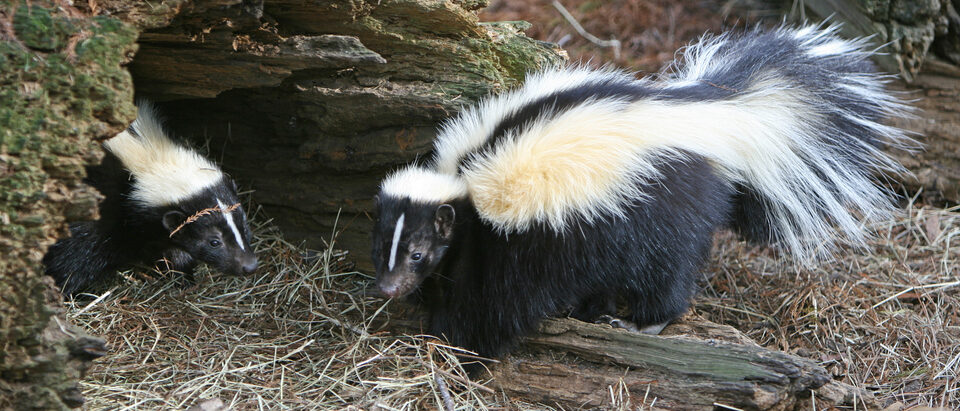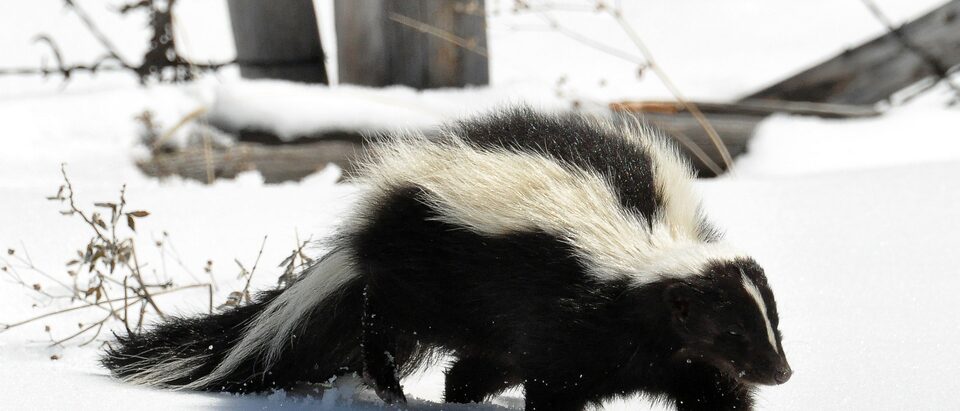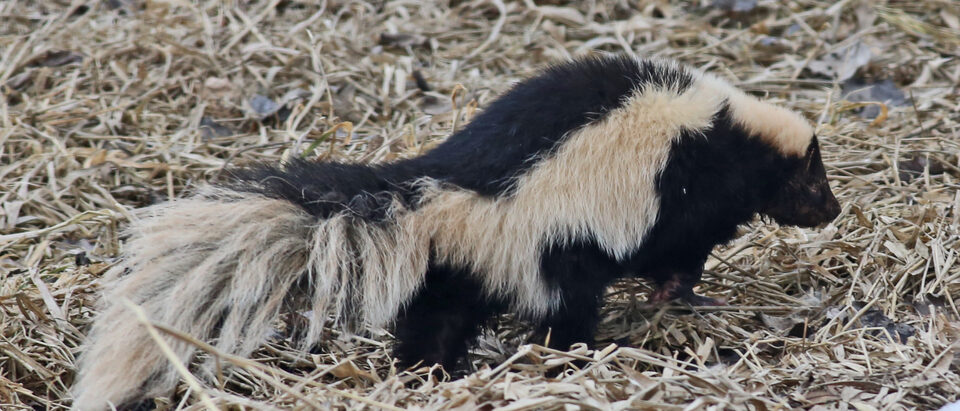
Skunks can dig under foundations, squeeze through gaps the size of a tennis ball, and make themselves at home under your porch or deck in a single night. Skunk proofing your property means sealing every possible entry point, removing food sources, and making your yard less appealing to these striped visitors. This complete exclusion guide covers the materials, methods, and maintenance schedule you need to keep skunks out for good.
Key Takeaways
- Seal all gaps larger than 3 inches: Skunks can squeeze through surprisingly small openings. Use 1/4 inch hardware cloth, galvanized steel mesh, or concrete patching for foundations.
- Eliminate food attractants first: Fallen fruit, pet food left overnight, open compost, and birdseed spills are the top reasons skunks visit your yard.
- Focus on ground-level entry points: Skunks are not climbers. They target deck skirting, foundation vents, crawl space openings, and loose porch lattice.
- Install exclusion barriers before breeding season: February through March is when skunks seek den sites. Proofing before spring prevents maternal denning.
- Use one-way exclusion doors for occupied dens: Never seal a skunk inside. Install a temporary door that lets them exit but not re-enter, then seal permanently.
In This Guide
Why Skunk Proofing Matters
Skunks are opportunistic diggers and den seekers. They do not build their own dens. Instead they take over existing spaces under decks, sheds, porches, concrete slabs, and crawl spaces. A single female skunk raising a litter of four to seven kits under your deck means months of odor, digging, and potential structural damage.
Beyond the smell, skunks carry diseases including rabies and leptospirosis. Their digging can undermine foundation supports, damage HVAC ductwork in crawl spaces, and attract other wildlife like opossums and raccoons to the same area. Proactive exclusion is cheaper and more effective than reactive removal.
Skunk proofing also protects your pets. Dogs that confront a skunk trapped under a porch often get sprayed directly in the face. The odor can take weeks to fully dissipate and can cause temporary blindness if the spray hits the eyes. Prevention is the safest strategy for everyone on the property.
Entry Points to Seal
Walk your property at ground level looking for any opening 3 inches or larger. Skunks do not climb like rats or squirrels, so focus on gaps at or near ground level. Carry a flashlight and inspect every side of your home and outbuildings.
Deck and Porch Skirting
The gap between the ground and the bottom of your deck or porch is the number one skunk entry point. If you have lattice skirting, check for broken slats or gaps at the corners. Replace damaged sections with 1/4 inch hardware cloth buried at least 6 inches into the ground. Skunks dig under loose skirting in minutes.
Foundation Vents and Crawl Space Openings
Foundation vents provide airflow under your home, but they also provide a welcome mat for skunks. Cover each vent with 1/4 inch galvanized hardware cloth screwed directly into the frame. Use stainless steel screws that resist rust. Check that the mesh is tight and has no loose edges a skunk could pry open.
Shed and Outbuilding Gaps
Sheds with dirt floors are especially vulnerable. Skunks dig under the walls or squeeze through rotted floorboards. Install a barrier of hardware cloth around the entire shed perimeter, buried 6 to 8 inches deep and extending 12 inches outward in an L-shape to prevent digging under.
Concrete Slab Gaps
Over time, concrete slabs settle and create gaps at the edges. These gaps lead directly to the space beneath the slab where skunks can den. Fill gaps with expanding foam for rodents (the pest-block variety with tacky texture) followed by a steel wool and caulk sandwich for larger openings.
Best Materials for Exclusion
Choosing the right materials determines whether your exclusion work lasts one season or ten years. Skunks have strong claws and persistent digging instincts. Flimsy materials waste your time and money.
1/4 Inch Hardware Cloth
This is the gold standard for skunk exclusion. The 1/4 inch mesh is small enough to block juvenile skunks and prevents them from reaching through to tear at the edges. Use galvanized or welded wire only. Avoid chicken wire, which skunks can bend and tear apart.
Galvanized Steel Mesh
For larger areas like entire crawl space perimeters, galvanized steel mesh in 19-gauge or thicker works well. It resists rust and is difficult to cut or tear. Secure it with masonry screws or landscape staples driven deep into the ground.
Concrete and Mortar
For gaps in foundations, concrete patching compound or hydraulic cement creates a permanent seal. Mix according to package directions and pack the gap completely. Smooth the surface so it blends with the existing foundation. This method works well for gaps under steps and along slab edges.
Removing Attractants
Sealing entry points is only half the battle. Skunks visit your property because something draws them there. Remove those attractants and skunks stop treating your yard like a destination. This is the cheapest and most effective long-term skunk prevention strategy.
Pet Food and Water Bowls
Bring pet food and water bowls indoors every night. Skunks are nocturnal and a full bowl of kibble left on the porch is an open invitation. Even dry food left out overnight attracts skunks, opossums, raccoons, and rodents. Feed pets during daylight hours only.
Bird Feeders and Spilled Seed
Birdseed is a major skunk attractant. Skunks feed on the seeds that fall to the ground beneath feeders. Use tray-less feeders or place a catch pan beneath the feeder to collect falling seed. Rake up spilled seed weekly. Consider removing feeders entirely during spring and summer when skunk activity peaks.
Fruit Trees and Garden Produce
Fallen fruit from apple, pear, peach, and plum trees draws skunks from a wide area. Pick fruit as soon as it ripens and remove fallen fruit daily. Skunks also eat vegetables including tomatoes, melons, and root crops. Use fencing around garden beds to block access.
Compost Piles
Open compost piles are skunk buffets. Skunks eat kitchen scraps, rotting vegetables, and the grubs that compost attracts. Use a sealed compost tumbler or a bin with a locking lid. Never add meat, fish, or dairy to compost, as these are especially attractive to skunks and other wildlife.
Grubs and Insects
Skunks dig small cone-shaped holes in lawns when hunting for grubs. These are a natural food source and harder to eliminate than other attractants. If skunk digging is damaging your lawn, treat for grubs with beneficial nematodes or milky spore, which are biological controls that do not harm pets or the environment.
One-Way Exclusion Doors
Before sealing any potential den site, you must confirm it is empty. Sealing a skunk inside your crawl space or under your deck is dangerous. The animal will die, decompose, or dig its way through interior walls trying to escape. Use a one-way exclusion door to evict any occupant safely.
One-way doors are wire tunnels that attach over an entry point. Skunks push through the door to exit but cannot re-enter because the door only swings one way. Install the door at dusk when skunks are beginning their nightly foraging. Leave it in place for 72 hours to ensure all animals have left. After confirming no further activity, seal the opening permanently.
Do not install one-way doors during the maternity season from April through August. Kits cannot follow the mother out and will be left to starve inside. If you suspect a maternal den, wait until the kits are old enough to leave on their own or call a professional wildlife removal service.
Frequently Asked Questions
Does peppermint oil repel skunks?
Peppermint oil is not reliably effective against skunks. While strong odors may temporarily deter them, skunks adapt quickly. The best repellent is exclusion: removing food sources and sealing entry points. Commercial repellents containing capsaicin (activates the TRPV1 receptor in mammals) may have short-term effect but require frequent reapplication.
Will motion lights keep skunks away?
Motion activated lights may startle skunks temporarily, but they are not a reliable long-term deterrent. Skunks are adaptable and quickly learn that lights pose no real threat. Lights work best as part of a broader exclusion strategy that includes sealing entry points and removing attractants.
How deep can skunks dig?
Skunks are capable diggers and can excavate 6 to 12 inches deep when motivated. They dig burrows under foundations, decks, and sheds. This is why exclusion barriers must be buried at least 6 inches deep with an outward-facing L-footer at the bottom to prevent digging underneath.
Can skunks climb fences?
Skunks are poor climbers compared to raccoons or squirrels. They cannot climb smooth surfaces like vinyl or metal. However they can climb chain-link fences if the mesh is large enough for footholds. Use 1/4 inch hardware cloth or a smooth barrier at the base of fences to prevent climbing.
Does ammonia deter skunks?
Ammonia has limited effectiveness as a skunk deterrent. The strong odor may discourage skunks temporarily, but the effect fades quickly as the ammonia evaporates. Ammonia-soaked rags placed near den entrances can also harm pets and children. Proper exclusion methods are safer and more effective.
How often should I inspect for new entry points?
Inspect your property for new gaps and damage at least twice per year: once in early spring before breeding season and once in early fall before skunks seek winter den sites. Also inspect after heavy storms, which can wash away soil and create new gaps under structures.
Related Resources
More Skunk Control Guides:
Why Trust Us
WildAnimalsCentral.com has been helping homeowners manage wildlife conflicts since 2018. Our exclusion guides are developed in consultation with wildlife control professionals and reviewed by licensed pest control operators. We test exclusion materials and methods to ensure our recommendations are practical, effective, and safe for both homeowners and wildlife.
Every guide on this site follows current best practices from the National Wildlife Control Operators Association and state wildlife agency guidelines. We do not recommend harmful or inhumane methods. Our goal is to help you resolve wildlife conflicts safely and permanently.