
What rat removal costs depends on how bad the infestation is, where you live, and whether you go pro or do it yourself. A few rats in the attic is a very different job from a colony spread through the walls. I am going to walk through the pieces that drive the price so you can budget without getting surprised. For your own house, run the details through my wildlife removal cost calculator first.
One thing up front: I am not going to quote you a fake national price, because the honest answer is that it varies hard by region and company. What I can do is show you where the money goes and how to get a fair quote.
The Short Version
- DIY costs less up front, but only the materials. Your labor is the real cost.
- Professional removal bundles inspection, trapping, exclusion, and follow-up.
- Exclusion is the step people skip, and it is the most important one.
- Cleanup is a separate line item, especially for big infestations.
DIY Rat Removal Costs
For a small infestation of a few rats, DIY is the cheapest path. Rats are cautious around new objects, so patience and correct trap placement matter more than how much you spend.
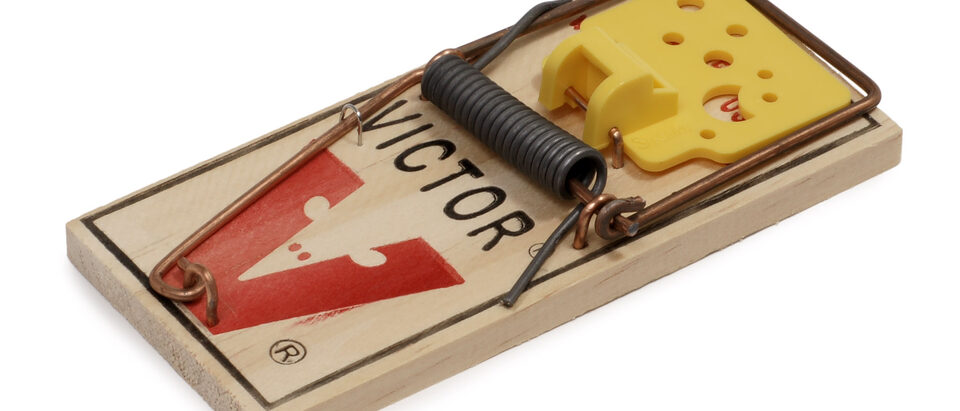
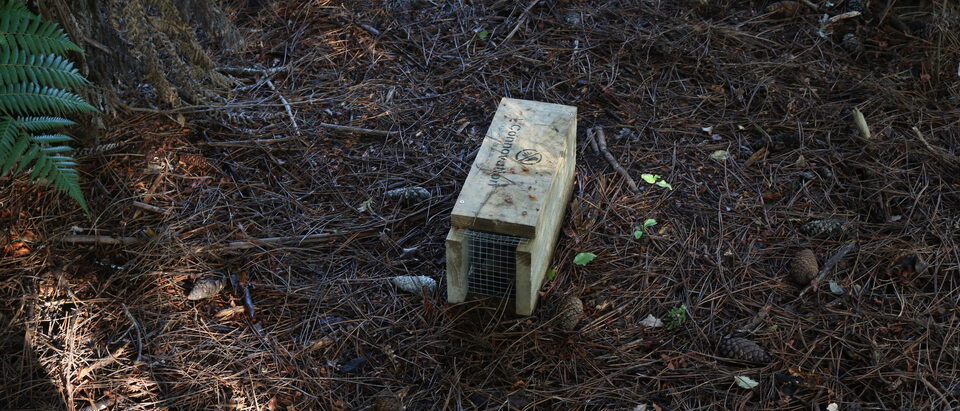
Snap traps are the cheapest option. Electronic traps cost more up front but are reusable and cleaner indoors. Then add bait stations, and for exclusion you need copper mesh, hardware cloth, caulk, and expanding foam. That material list is a modest investment, not a big one.
The real risk of DIY is missing an entry point. Rats can squeeze through surprisingly small gaps, and if you leave one open, they come right back and you start over. That is where a pro earns their fee.
Pre-bait your traps for a few days before setting them. Let the rats eat freely from the unset trap so they trust it, then arm it. It dramatically improves your catch rate and saves you a lot of time.
Professional Rat Removal Costs
A pro job includes a thorough inspection, trapping or baiting, exclusion, and follow-up monitoring. The price depends on region, house size, and how bad it is, and most companies offer a warranty so they return free if rats come back within that window.
A small attic job is the cheapest professional scenario. Once the infestation spreads into wall cavities, the cost climbs because it needs more traps, more labor, and more exclusion material. A widespread infestation with multiple entry points is the most expensive.
Always get three to five written quotes, and ask whether the inspection fee is credited toward the removal cost if you hire them. That one question can save you the inspection fee.
Rat Exclusion Costs
Exclusion is the step that actually ends the problem. Seal the entry points and the rats you remove stay removed. Leave them open and new rats follow the old scent trails right back in.
DIY exclusion uses copper mesh (it doesn’t rust like steel wool), quarter-inch hardware cloth for larger openings, and expanding foam meant for pest control. The materials are cheap, but the labor is real: you have to inspect the whole foundation, roofline, and every utility penetration. A pro charges more but includes the inspection and stands behind the work.
Cleanup and Remediation Costs
Rats leave droppings, urine, and nesting material that carry health risks, and cleaning that up is separate from removing the rats.
DIY cleanup needs an N95 respirator, gloves, and disinfectant. Never vacuum or sweep dry droppings, which throws germs into the air. Use the wet method: spray with a bleach solution (about one part bleach to nine parts water), let it sit a few minutes, then wipe with paper towels and bag it.
For large accumulations, or if rats contaminated your attic insulation, hire a biohazard remediation company. That means removing and replacing insulation, HEPA vacuuming, and disinfecting the whole space, and it is the kind of job you don’t want to half-do.
Frequently Asked Questions
Most standard policies exclude pest removal itself, though some cover damage rats cause, like chewed wiring or gnawed structure. Read your policy or call your agent to know where you stand.
DIY cleanup costs little, just PPE, disinfectant, and bags. The real cost is your labor and the risk of doing it wrong. Professional cleanup costs more but makes sure it is done safely.
Sometimes. Some companies discount in late fall and winter when calls slow down, and prices can climb in spring and summer during peak season. Ask about seasonal pricing when you get quotes.
Most jobs run one to three weeks: a trapping phase over several days, then exclusion, then a monitoring period. Big infestations can need follow-up visits over a month.
Bottom Line
Rat removal pricing swings on region, house size, and how far the rats have spread, so get three to five written quotes and ask what the inspection fee covers. DIY saves money on materials but the labor and the risk of missing an entry point are on you. Whatever you do, don’t skip exclusion and cleanup, because those are the difference between a one-time job and a recurring problem.