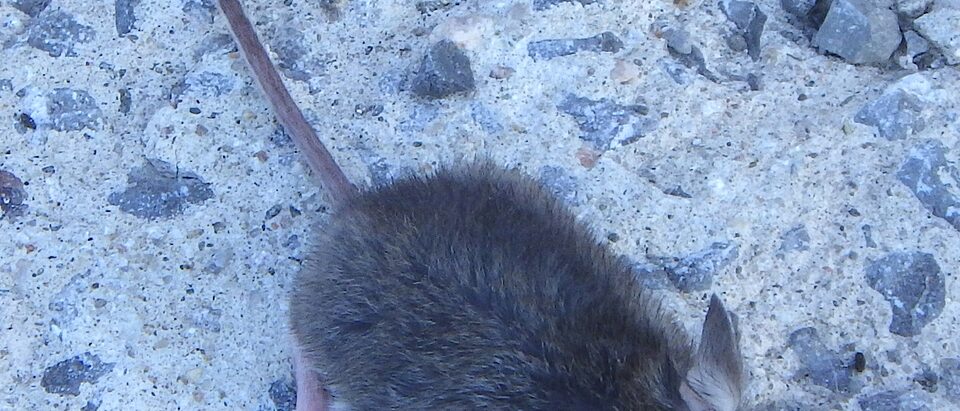

Most homeowners pay $150 to $500 for professional mouse removal, with a national average around $250 to $350. The total depends on the size of the infestation, how many entry points need sealing, and whether you need a one-time visit or ongoing service. This guide breaks down the real numbers.
- Mouse removal typically costs $150 to $500, with most jobs landing around $300.
- A basic one-time trapping visit starts around $150 to $300.
- Exclusion (sealing entry points) costs $200 to $600 and is what stops mice from returning.
- Severe infestations run $600 to $1,500 or more when cleanup and multiple visits are needed.
DIY Removal Costs
Do-it-yourself mouse control is cheap for a small, isolated problem. Snap traps cost $3 to $6 each, glue traps $5 to $15, and electronic traps $20 to $50. A dozen snap traps and some peanut butter can handle a few mice for under $30. Prefer a range for your own situation? My cost calculator does the math from the same figures.
The catch is that DIY rarely solves the root cause. Mice squeeze through gaps as small as a dime, and if you do not seal the entry points, new mice will keep coming in. DIY is a reasonable first step, but it often becomes a repeating expense when exclusion is skipped.
For a small problem, buy traps in a multi-pack and place them along walls where you see droppings. If you still see activity after two weeks, the problem is bigger than traps alone and it is time to seal entry points or call a pro.
Professional Removal Costs
Professional mouse removal costs $150 to $500 for most homes, with a national average around $250 to $350. A basic one-time trapping service starts around $150 to $300, while a full treatment that includes inspection, trapping, exclusion, and follow-up visits runs $300 to $600.
Severe infestations with activity throughout the home, nesting in walls or insulation, and heavy damage can reach $600 to $1,500 or more. Some exterminators charge $75 to $125 per visit, with an initial treatment plus one or two follow-ups.
Exclusion and Prevention Costs
Exclusion is the most important long-term investment. Sealing entry points costs $200 to $600 for most homes. A home with three to five gaps may cost $200 to $350 to seal, while one with fifteen or more can run $500 to $800.
Because mice can enter through any gap larger than a quarter inch, thorough exclusion means checking pipes, vents, utility lines, foundation cracks, and gaps under doors. Done right, it prevents reinfestation and eliminates the need for repeated trapping.
Factors That Affect Removal Costs
Infestation size. A few mice in the kitchen is a $150 to $250 job. An established colony nesting in walls or the attic runs $400 to $600 or more.
Home size. A 1,000-square-foot apartment costs less to treat than a 2,500-square-foot house, which has more entry points and more area to inspect.
Entry points. More gaps mean more materials and labor for exclusion, which is often the biggest single line item.
Method. Live trapping, bait stations, and rodenticide all carry different costs. Humane or eco-friendly options sometimes cost more than standard traps.
Ask whether the quoted price includes follow-up visits, sealing, and dead-rodent removal. After-hours or emergency service can add $100 to $200. Dead mouse removal, when not part of a contract, runs $100 to $200 per trip.
Cost Comparison by Method
| Removal Method | Typical Cost | Best For | Effectiveness |
|---|---|---|---|
| DIY Snap Traps | $3 to $6 per trap | Small, isolated problem | Medium |
| One-Time Trapping | $150 to $300 | Mild infestation | High |
| Trapping Plus Exclusion | $300 to $600 | Most homes | Very High |
| Severe Infestation Treatment | $600 to $1,500+ | Established colonies | Very High |
When to Pay for Professional Help
Call a professional when you have mice in multiple rooms, when droppings reappear after you trap, or when you hear activity inside walls or the attic. These are signs of an established colony that traps alone will not fix.
Professional help is also worth it when exclusion is needed at height, when a family member has asthma or allergy concerns, or when deer mice are present, since they can carry hantavirus and require careful cleanup.
Frequently Asked Questions
A mouse exterminator costs $150 to $500 for most homes, with an average around $300. This usually includes inspection, trap placement, and one or two follow-up visits. Severe infestations or exclusion work raise the total.
For a small, contained problem, yes. Traps are cheap and effective for a few mice. But if you skip exclusion, the problem returns and DIY becomes a repeating expense. For established infestations, professional removal with exclusion is cheaper over time.
Quotes differ by infestation size, home size, the number of entry points, and whether the company bundles exclusion and follow-ups. Some charge per visit, others per project. Get an itemized estimate and compare what is included.
In practice, they refer to the same service. Extermination typically means traps or rodenticide that kill the mice, while removal from a wildlife specialist may use humane live traps and relocation. Wildlife removal for mice runs $300 to $600 and is the option recommended by animal welfare organizations.
Seal every gap larger than a quarter inch with steel wool, caulk, or metal flashing, and repair damaged vent screens and door sweeps. Store food in sealed containers and remove clutter that gives mice places to nest. Exclusion is the only step that prevents reinfestation long term.