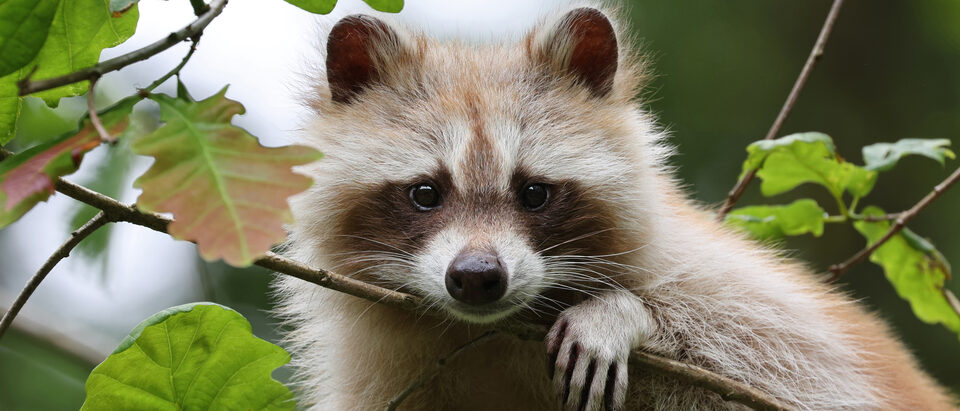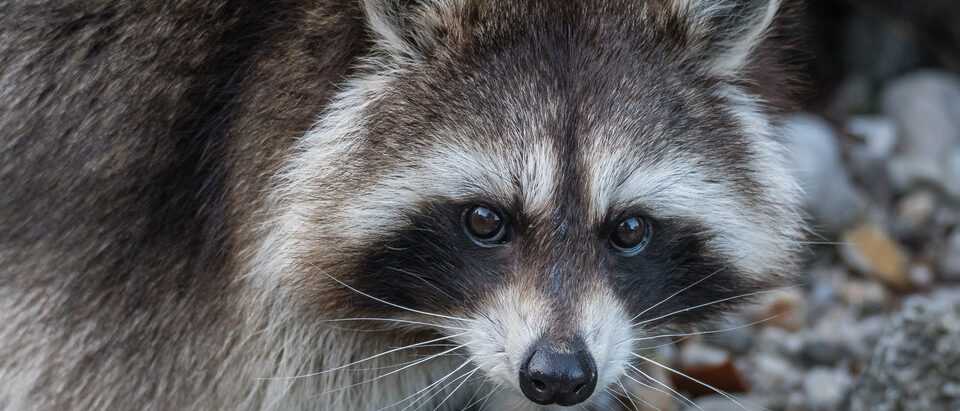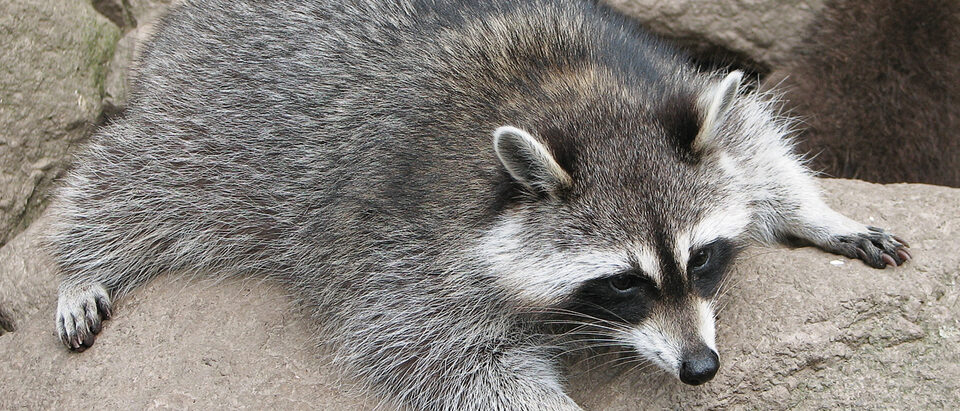

A warm engine is a cozy den to a raccoon, and a parked car is an easy one to get into. The fix is simple once you know what’s drawing them in: take away the food and the shelter, and give them a reason to go somewhere else.
Why they go after cars
Two things bring a raccoon to your car. One is heat, a recently driven engine stays warm for hours and makes a great daytime bed. The other is food, pet food in the garage, birdseed, or a wrapper left in the car. And once a raccoon chews into your wiring or nests in the engine bay, you’re looking at a repair bill.
Take away the food
- Store pet food and birdseed in sealed metal or plastic bins.
- Don’t leave food or wrappers in the car. Crumbs carry scent.
- Keep garbage cans closed and away from where you park.
- Pick up fallen fruit and nuts if trees hang over the driveway.
Scare them off
Motion lights and motion sprinklers are the most reliable deterrents for a car parked outside. A sudden light or a shot of water makes the area feel unsafe. Raccoons get used to things, so move the deterrents around now and then.
Lock it down
Parking indoors is the best protection there is. If you have a garage, keep the door shut at night and cover vents and gaps with fine hardware cloth. Parked outside, check under the hood now and then for droppings, paw prints, chewed wires, or nesting material.
What not to do
Don’t put mothballs or ammonia in your car or garage. Both give off fumes that are bad for you in an enclosed space, and neither reliably deters a determined raccoon. Stick to removing attractants and scaring them off.
Frequently Asked Questions
Yes. They climb up through the gap underneath and will chew wires, insulation, and hoses once they’re in there. Check under the hood if you park outside in raccoon country.
They do, especially when they’re nesting in a warm engine bay. That can cause electrical problems and an expensive repair.
Don’t reach in. Bang on the hood or make noise to scare it out, then open the hood from a safe distance and let it leave. If it won’t go or looks hurt, call a wildlife operator.
Not reliably. The smell might spook one for a minute, but the fumes are hazardous in an enclosed space and it stops working fast. Removing food and sealing the garage work better.