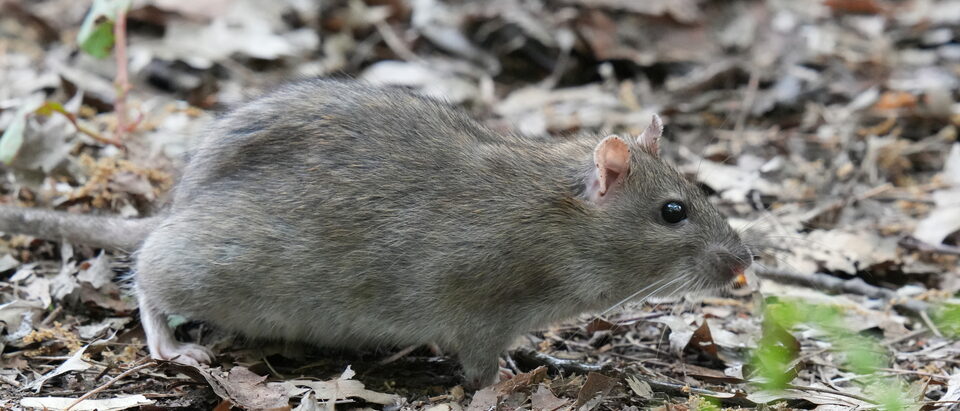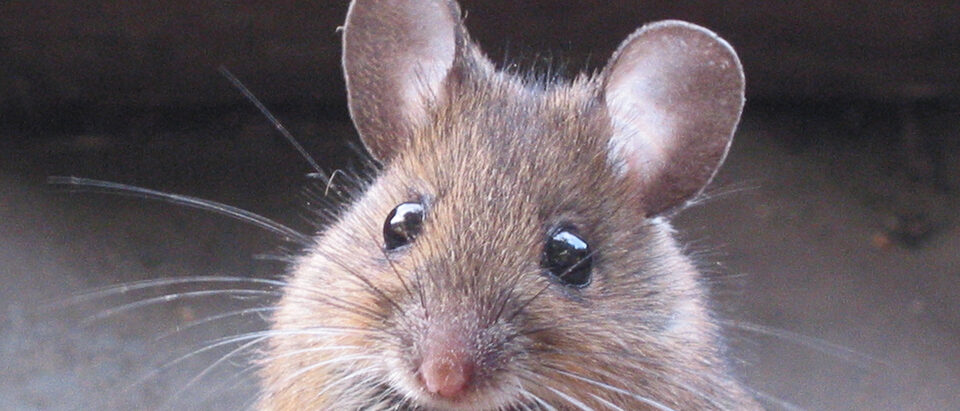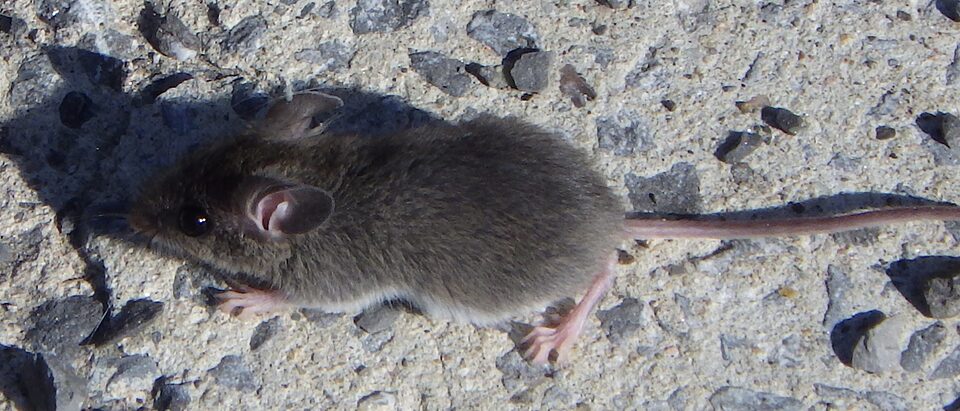

Rats in the yard are a health problem and a five-minute commute from your house. The Norway rat, the big brown one most people picture, is a burrowing rodent that tunnels under sheds and decks, chews through everything, and will eventually find a way inside.
Here is the thing about yard rats: you almost never trap your way out of them. You starve them and evict them. Here is how. Not sure if this is a DIY job? Take the DIY vs. pro quiz first.
Why Rats Are in Your Yard
Three things, always: food, water, and shelter. Cut off any one of them hard enough and they leave. The usual culprits:
- Pet food left outside. Dog food, cat food, and spilled bird seed are rat groceries. Feed pets inside or pull the bowls when they are done.
- Fallen fruit. Fruit trees are a buffet. Pick up windfalls every day while they are dropping.
- Compost with food scraps. Use a closed bin, or leave food waste out of the pile entirely.
- Unsecured garbage. Locking lids, not just a lid that sits there.
- Bird feeders. Spilled seed on the ground is the single most common rat attractant in a yard. Use a tray to catch spills, or take the feeder down for a while.
- Wood piles and junk. Stacked firewood and a pile of old boards are exactly where rats want to live.
- Overgrown shrubs and ivy. Dense cover hides burrows. Keep it trimmed, especially near the foundation.
- Pet waste. This one surprises people, but rats eat it. Clean up after your dog daily.
- Standing water. Bird baths, clogged gutters, a leaky spigot. Fix them.
How to Actually Get Rid of Them
Do these in order:
- Remove the harborage. Clear the debris, stack firewood off the ground and away from the house, trim the brush, and get rid of junk piles.
- Cut the food. Lock the garbage, pick up fruit, pull the feeder, and stop leaving pet food out.
- Trap or bait, carefully. See the note below on safety. If you trap, pre-bait first.
- Seal the burrows. Once you have knocked the population down, fill active burrows with gravel or soil and watch for reopening.
- Keep them out of the house. Seal foundation gaps, vents, and utility openings, and add door sweeps.
The order matters. If you bait before you remove the food, they keep eating your leftovers and ignore the bait.
A Note on Bait and Traps
If you use bait, use a tamper-resistant bait station and never loose blocks, especially if you have pets or kids. Bait belongs along fences, foundations, and runways, and it gets checked and refilled weekly.
If you trap, pre-bait first: leave the trap unset with bait in it for a few days so the rats get used to it, then arm it. Rats are suspicious of new objects and will ignore a brand-new set trap.
Wear gloves handling any dead rat, and dispose of it in a sealed bag. For the full safety rundown, read my rodenticide guide.
Keeping Them From Coming Back
Rats from a neighbor’s yard will still wander through yours. That is fine. Without food, water, or shelter, they will not stay. Keep the grass trimmed, the wood stacked properly, the garbage locked, and walk the foundation every few months looking for new gaps.
For trapping gear, see my best rat traps guide. For prevention, read my rodent proofing guide.
Frequently Asked Questions
With harborage removal plus bait or traps, most yard problems clear up in a few weeks. A bad infestation takes longer, especially if a neighbor is feeding them too.
Yes, and often sooner than you think. A rat only needs a gap the size of a half inch to squeeze through, and foundations and vents are full of them. Deal with the yard problem before it becomes an attic problem.
No. There is no solid evidence they work outdoors, and rats adjust to the sound within days. Spend your effort on food removal and exclusion instead.
Only in a tamper-resistant bait station, placed where pets and kids cannot reach it. Keep it away from pet areas and vegetable gardens, and dispose of any dead rats you find so nothing else eats them.