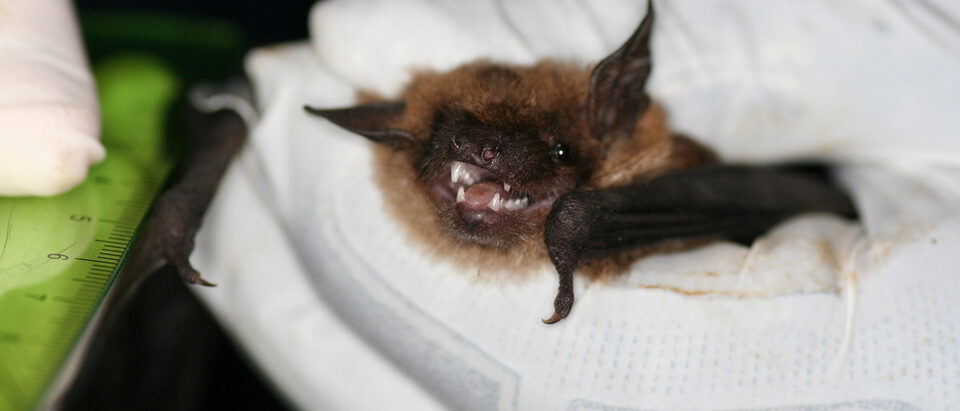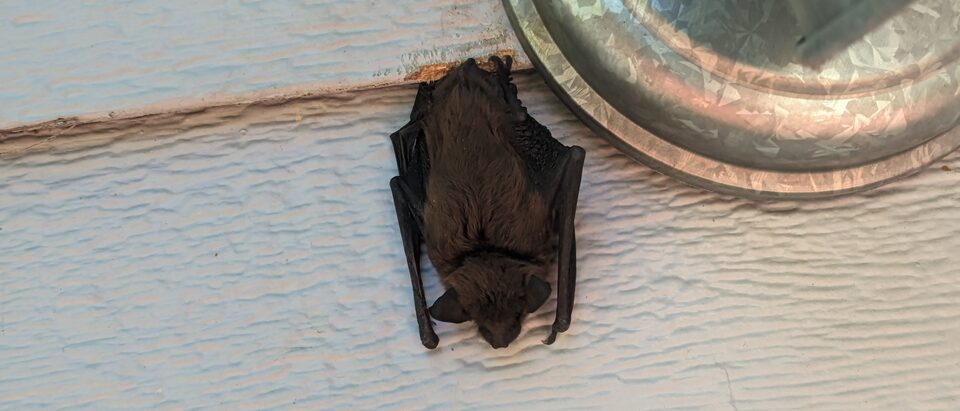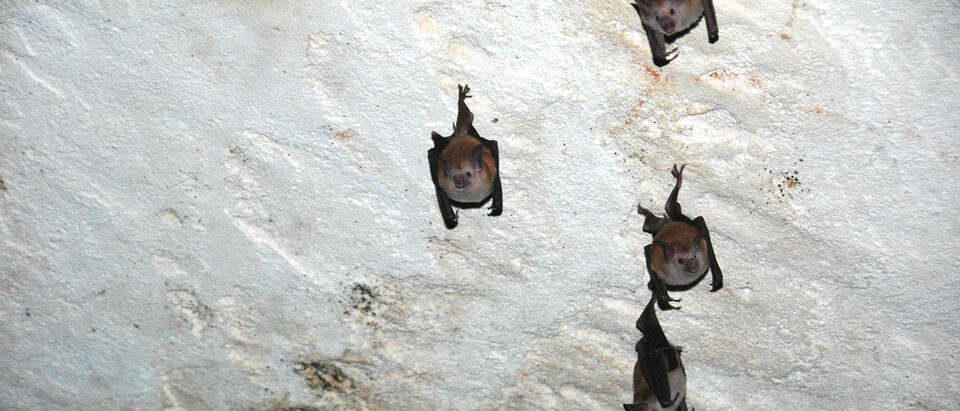
Yes , most North American bats hibernate, but the details are more complex than simply sleeping through winter. Bats enter a state called torpor , a deep, energy-saving hibernation that reduces their body temperature, heart rate, and metabolic activity.
But not all bats hibernate the same way, and some species migrate instead. Understanding bat winter behavior is important for homeowners because it affects exclusion timing, inspection strategies, and what to do if you find a bat during winter.
Key Takeaways
- Torpor vs hibernation: Bats enter daily torpor (shallow hibernation) or seasonal hibernation (deep, prolonged). Both conserve energy.
- Hibernation sites: Bats hibernate in caves, mines, and sometimes buildings. Attics are rarely cold enough for deep hibernation.
- Migration: Some bat species migrate south for winter instead of hibernating. Mexican free-tailed bats migrate to Mexico.
- Winter bat sightings: A bat in winter may indicate a warm roost, illness, or disturbance. Treat any winter bat with caution.
- Exclusion in winter: Winter exclusion is possible but less effective. Bats in deep torpor may not exit through one-way valves.
Torpor vs Hibernation: What’s the Difference?
Bats use two types of dormancy. Understanding the difference is important for homeowners and bat enthusiasts:
| Feature | Daily Torpor | Seasonal Hibernation |
|---|---|---|
| Duration | A few hours to a few days | Weeks to months (Nov-Mar) |
| Body temp | Drops 10-20°F from active | Drops to near-ambient (34-45°F) |
| Heart rate | 200 bpm → 50-100 bpm | 200 bpm → 10-20 bpm |
| Purpose | Energy conservation during cold nights | Survive winter without food |
| Arousal | Minutes to warm up | 30-60 minutes to fully arouse |
| Location | Any roost (attics, trees, bat houses) | Caves, mines, deep rock crevices |
Which Bats Hibernate, Which Migrate?
North American bat species fall into three winter behavior categories:
- Deep hibernators , Big brown bat (Eptesicus fuscus), little brown bat (Myotis lucifugus), tricolored bat (Perimyotis subflavus), Indiana bat (Myotis sodalis). These species hibernate in caves and mines from November to March.
- Shallow hibernators / daily torpor users , Evening bat (Nycticeius humeralis), red bat (Lasiurus borealis), hoary bat (Lasiurus cinereus). These species may migrate short distances or use daily torpor to survive cold periods.
- Long-distance migrants , Mexican free-tailed bat (Tadarida brasiliensis). These bats migrate south to Mexico and Central America for the winter.
Do Bats Hibernate in Attics?
This is a common question with a nuanced answer. Most North American bat species prefer to hibernate in caves or mines where temperatures are stable (40-50°F) and humidity is high (80-100%).
Attics are generally not suitable for deep hibernation because temperatures fluctuate too much and humidity is too low.
However, in warmer climates or during mild winters, bats may use attics for daily torpor , short dormancy periods during cold snaps. If your attic stays above 50°F through the winter, you may find bats entering torpor there rather than migrating to a cave.
This is more common in southern states and during unseasonably warm winters.
Winter Bat Alert
If you find a bat in your living space during winter, treat it as a potential rabies risk. Bats that are active during winter are often sick, injured, or starving. They may behave abnormally and are more likely to come into contact with humans. Do not handle the bat directly.
See our bat in the house emergency guide.
Can You Exclude Bats in Winter?
Winter bat exclusion is possible but has limitations. Here is what you need to know:
- One-way exclusion valves are less effective in cold weather because bats may not exit daily. They may stay in deep torpor.
- If bats are in deep hibernation, exclusion valves cannot force them out. You must wait for natural arousal.
- Sealing entry points during winter is safe if the roost is confirmed empty. Use inspection to verify.
- Professional exclusion companies often avoid winter work because of these challenges.
- Spring (March-April) is the ideal time for bat exclusion , after hibernation, before maternity season.
If you suspect bats are hibernating in your attic during winter, the safest approach is to wait until spring. Disturbing hibernating bats can cause them to burn critical fat reserves needed to survive winter. Multiple disturbances can be fatal.
See our bat inspection guide for seasonal inspection strategies.
White-Nose Syndrome and Hibernation
White-nose syndrome (WNS) is directly linked to hibernation behavior. The fungus Pseudogymnoascus destructans grows on bats during hibernation when their body temperature drops and immune system activity is suppressed.
WNS causes bats to wake from hibernation more frequently, depleting fat reserves and leading to death. For a complete overview, see our white-nose syndrome guide.
What to Do If You Find a Bat in Winter
- Do not touch the bat , it may be sick or carrying rabies (bats are the primary rabies vector in the US).
- Contain the bat in a room by closing doors. Open windows to allow it to exit if possible.
- If the bat is in living quarters, contact your local health department about rabies exposure risk.
- Contact a licensed wildlife rehabilitator for guidance on winter bat care.
- Inspect your attic in spring for potential roost sites and seal entry points before next winter.
Frequently Asked Questions
How do bats survive winter if they don’t hibernate?
Species that do not hibernate deeply use daily torpor , dropping their body temperature and metabolism for several hours at a time. They can also migrate to warmer areas where insects are available year-round.
Do bats hibernate in bat houses?
Most bat houses are not suitable for winter hibernation because they lack the stable temperature and humidity of caves. Bats may use bat houses for daily torpor during mild winters.
Can bats freeze to death?
Yes. Bats that enter torpor and experience a sudden temperature drop below freezing can die if their roost does not provide adequate insulation. This is why bat houses in cold climates should be positioned to maximize sun exposure.
How can I help bats survive winter?
Install a well-positioned bat house that receives winter sun. Avoid disturbing known hibernation sites (caves and mines). Support bat conservation organizations that protect hibernation habitats.
Related Resources
🔗 Bat Maternity Season Guide · 🔗 White-Nose Syndrome Guide · 🔗 Best Bat Houses for Conservation · 🔗 Bat in the Attic Guide
Why Trust Us
WildAnimalsCentral.com bases its bat biology content on peer-reviewed research from bat biologists, the US Geological Survey (USGS), Bat Conservation International, and state wildlife agencies.
Our hibernation and migration data is reviewed against the latest scientific publications and updated annually.