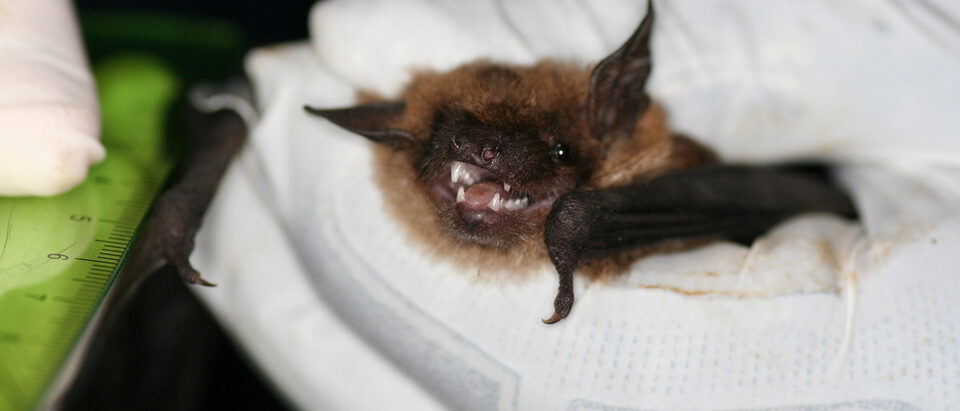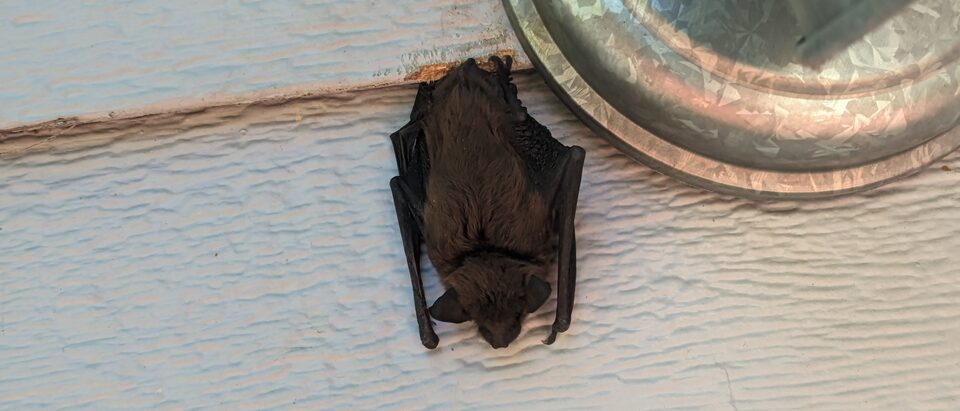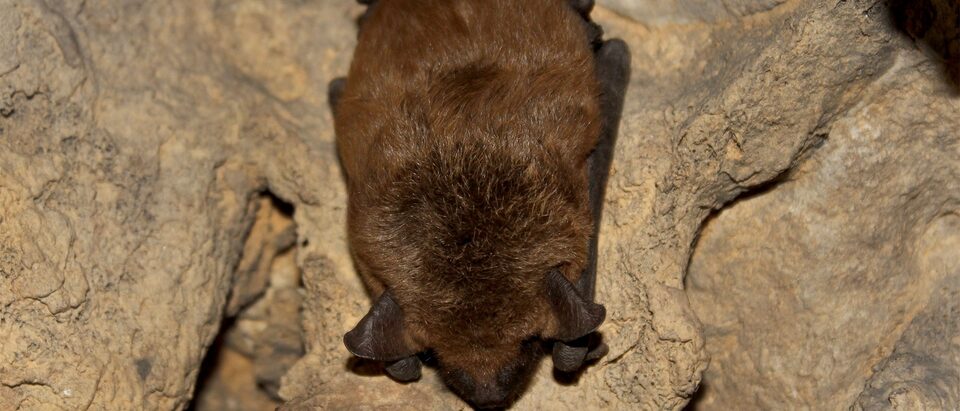

I used to think of bats the way a lot of people do: spooky things that belong in caves and Halloween decorations. Then I learned what they actually do for my yard, my garden, and my grocery bill, and I changed my mind. Bats eat insects by the ton, and a lot of those insects are the ones that chew up gardens and crops.
The short version is this: bats are good neighbors. They do not want anything to do with you, they eat the bugs that do want something to do with you, and right now a lot of them are in trouble. Here is what I learned about why bats matter, what is hurting them, and what you can actually do about it from your own backyard.
Why bats matter
The biggest thing bats do for you is eat insects. A single bat can put away a huge number of insects in one night, and a lot of those are the moths and beetles whose larvae chew up gardens, crops, and trees. If you have bats around your place, you have a free, quiet, chemical-free pest control crew working every night from dusk to dawn.
Some bats are also pollinators. In the Southwest and into Mexico, nectar-feeding bats pollinate agave and cacti. No bats, no tequila, and that is not a joke. Fruit-eating bats spread seeds through their droppings, which helps forests grow back in cleared areas.
And about that guano: bat droppings are a fantastic fertilizer, high in nitrogen. People have used it on gardens for a long time. I have never bagged it myself, but plenty of organic gardeners swear by it.
What is hurting bats
Bats in North America are up against a few serious problems, and the worst one is a disease.
White-nose syndrome is a fungus that grows on hibernating bats and kills them in huge numbers. It has wiped out millions of bats since it showed up in the mid-2000s, and it keeps spreading. Some caves that used to hold thousands of bats are nearly empty now.
On top of the disease, bats lose roosting and hibernation spots to development and to old caves and attics getting sealed up. Insecticides kill the bugs bats depend on. And wind turbines kill bats, often more than people realize.
What I actually do to help
You do not need to be a scientist to help bats. Most of this is stuff you can do on a weekend.
Put up a bat house
A bat house is a little box mounted up on a pole or the side of a building. It gives bats a safe place to roost that is not your attic. Mount it high, 10 to 20 feet up, in a spot that gets sun. The idea is simple: give them somewhere good to live, and they will pick that over your house.
Lay off the bug spray
If you have bats eating your insects, you can skip a lot of the chemical spraying. Broad insecticides kill the good bugs and the bat food along with the pests. I stopped blanket-spraying my yard years ago and I have not missed it.
Give them water
Bats drink on the wing, and they need a water source within about a mile of where they roost. If you have a pond or a stream, you are already helping. If you are in a dry area, even a shallow birdbath or small water feature helps.
Exclude them humanely, never poison
If bats get into your attic, the fix is a one-way door that lets them out but not back in, never poison or traps. And do not seal them out while they are raising babies in the summer. Put a bat house up nearby first so they have somewhere to go.
Learn about the bats near you
The parks service and groups like Bat Conservation International keep saying the same thing: the more you know about local bats, the better you can help them. Look up what species live in your area, and tell your neighbors the truth when they repeat the old myths.
Frequently Asked Questions
No. This is one of those old stories that will not die. Bats use sound to find insects in the dark, and they are very good at it. They do not aim for your head. If a bat flies near you, it is chasing a bug, not you.
Some species are, and some are not. A few are listed as endangered or threatened. The ones most people find in attics are doing okay, but nearly all bat species face pressure from white-nose syndrome and habitat loss. The safest summary is that most bats are protected, so check the rules in your area before you do anything.
No. Bats are good neighbors in a bat house, not in your attic. Guano builds up and can cause problems. Exclude them humanely and put a bat house up as a replacement home.
A very small number of bats carry rabies, far fewer than most people assume. But any bat that is out during the day or acting strange should be left alone. Never handle a bat with bare hands. If one is in a room where someone was sleeping, talk to a doctor and your local health department about testing.
Bats eat a lot, but the exact number depends on the species and the night. Some small bats can eat hundreds of insects in a single night. The honest answer is that it varies, but the combined effect of a whole colony is enormous.