Table of Contents
Should you trap that raccoon yourself or call a pro? The answer depends on the animal, where it is, local laws, and health risks. A squirrel in the yard is a different problem from a raccoon in the attic. Venomous snakes change the equation entirely. Here is how to decide whether DIY removal makes sense or you need a licensed professional.
Disclaimer: This guide is for informational purposes only and does not constitute legal or professional advice. Wildlife laws vary by state and municipality. Always check with your local fish and wildlife agency before taking action. If you are unsure about handling any wildlife situation, contact a licensed professional.
Key Takeaways
- Legal restrictions vary by state: What is legal in one state may require a permit or be completely prohibited in another. Always verify your local wildlife codes before trapping or relocating any animal.
- Attic infestations require a professional: Once an animal gets inside your walls or attic, the risks of structural damage, disease exposure, and re-entry multiply. Pros handle exclusion, decontamination, and prevention.
- Venomous snakes always call a pro: Never attempt to handle, trap, or kill a venomous snake yourself. One strike can mean a hospital visit. Licensed removal experts have the tools and training to relocate them safely.
- DIY trapping is legal for most common pests: Raccoons, squirrels, opossums, and nonvenomous snakes can often be trapped without a permit using live cage traps. But you must follow humane check intervals and disposal rules.
In This Guide
Animal Type: Nuisance vs Protected vs Venomous
The first question you need to answer is what kind of animal you are dealing with. This single factor determines the legal path, the safety risk, and whether a DIY approach is even an option.
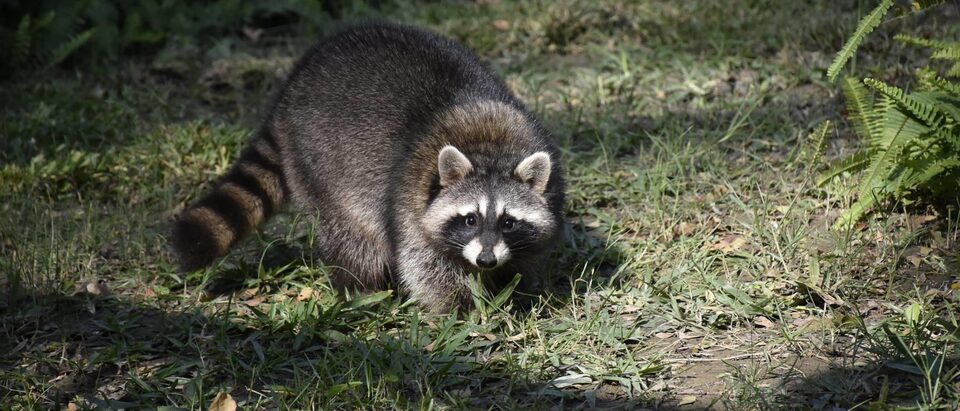
Nuisance species like raccoons (Procyon lotor), Virginia opossums (Didelphis virginiana), eastern gray squirrels (Sciurus carolinensis), and Norway rats are the most common backyard invaders. In most states, homeowners can trap these animals without a permit using live cage traps. They are considered overpopulated and adaptable, which is why wildlife laws give homeowners more leeway.
Protected species include migratory birds (active nests cannot be disturbed under the Migratory Bird Treaty Act), bats in some states, certain snakes, and any threatened or endangered animals. If you have bats in your attic or a protected snake in your yard, you cannot legally remove them yourself in most jurisdictions. You need a licensed wildlife control operator.
Venomous snakes are in a category of their own. Copperheads (Agkistrodon contortrix), timber rattlesnakes (Crotalus horridus), cottonmouths, and coral snakes should never be handled by an untrained person. Even dead venomous snakes can deliver a bite through reflex action. Call a pro immediately. Do not attempt to trap, kill, or relocate these animals on your own.
Location: Attic vs Yard vs Inside Walls
Where the animal is located often matters more than what the animal is. A squirrel in the yard is very different from a squirrel in your attic.
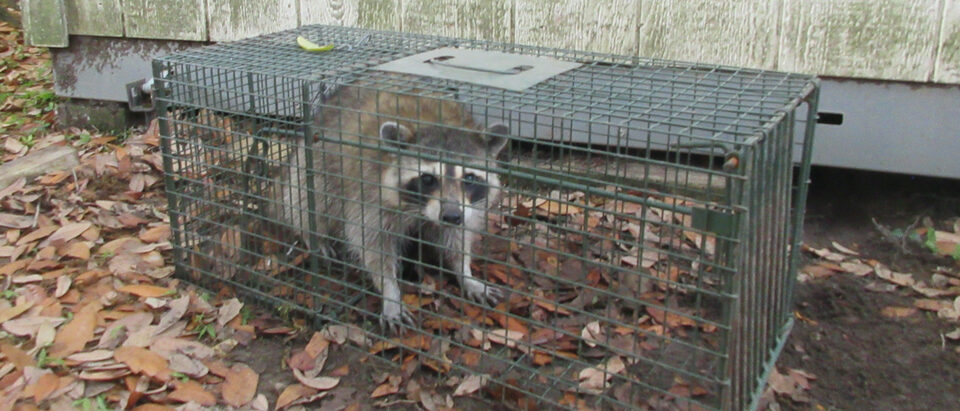
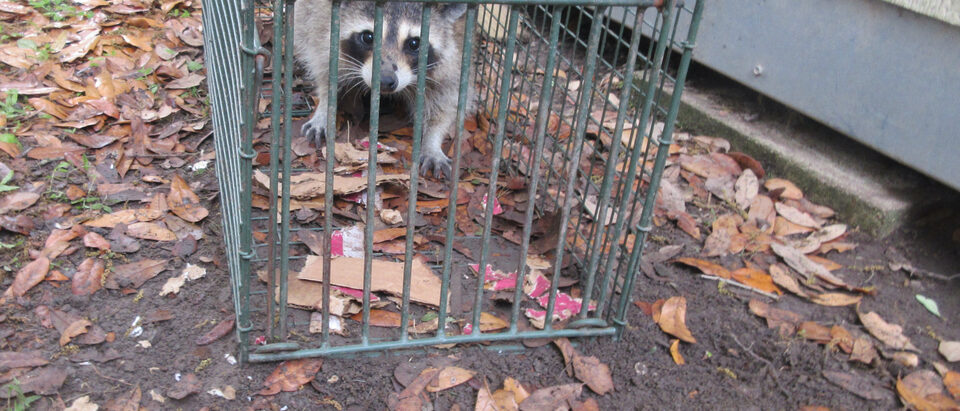
Yard and under-deck animals are the safest DIY candidates. A raccoon taking shelter under a porch or a ground squirrel (Otospermophilus beecheyi) digging in the yard can often be live trapped without much risk. The animal is contained outdoors, you have escape routes, and the cleanup is minimal.
Attic and wall cavity animals demand professional help for three reasons. First, the animal may have babies, and sealing them inside or removing the mother without the litter creates a worse problem (dead animals, smell, flies). Second, the damage is often hidden: chewed wires, compressed insulation, urine soaked drywall, and structural gnawing. Third, you need exclusion work: finding every entry point, installing 1/4 inch hardware cloth (the gold standard for exclusion), chimney caps, and vent covers. Pros have the tools and experience to do a complete exclusion, not just a one-way door.
Inside wall animals are the trickiest. If you hear scratching between your walls, you cannot trap there. You need a pro to locate the exact cavity, install a one-way exclusion door, and seal all access points after the animal leaves.
Health Risks: Rabies, Baylisascaris, Leptospirosis
Every wild animal carries pathogens, and some of them are serious. This is the factor most homeowners underestimate.
Rabies is the most feared and for good reason. Raccoons, bats, skunks, and foxes are primary rabies vector species in the United States. A rabid animal may behave strangely: active during the day, unafraid of humans, disoriented, or aggressive. If you are bitten or scratched by a potentially rabid animal, you need rabies postexposure prophylaxis immediately. Bats are especially dangerous because their bites can be so small you may not realize you were bitten.
Baylisascaris procyonis is a roundworm carried by raccoons (Procyon lotor). The eggs are shed in raccoon feces, and they can remain infectious in the environment for years. Accidental ingestion of even a microscopic amount can cause severe neurological damage in humans. This is why cleaning up raccoon latrines in attics is a job for a professional with HEPA vacuums and proper PPE, not a homeowner with a broom.
Leptospirosis is a bacterial infection spread through the urine of infected animals, including raccoons, rodents, and opossums. It can enter your body through cuts or mucous membranes. Symptoms range from flu-like illness to kidney or liver damage. Any area where wildlife has been living indoors needs professional sanitation and decontamination.
Legal Restrictions: Trapping, Relocation, Season
Wildlife laws are not optional. Violating them can result in fines, confiscation of equipment, and even criminal charges depending on the species and state.
Trapping regulations vary dramatically. Some states require a hunting or trapping license even for live cage traps on your own property. Others require a nuisance wildlife permit before you can set a trap. Many states mandate that traps be checked every 24 hours (some every 12 hours) to ensure humane treatment. Failure to check traps can result in animal suffering and legal penalties.
Relocation rules have become stricter across the country. In many states, it is illegal to trap an animal and release it somewhere else. The concern is disease spread: moving a raccoon from one county to another can introduce rabies or distemper into a naive population. Several states now require that trapped nuisance animals be euthanized on site or turned over to a licensed rehabilitator. Releasing wildlife on public land without a permit can carry substantial fines.
Seasonal and maternal restrictions also apply. During breeding and nesting seasons, removing an animal may be restricted or require special handling. If you trap and remove a mother squirrel during baby season, the litter will die in your attic, creating a dead animal odor and fly infestation. Many professionals follow a humane approach called integrated pest management, which includes deferring removal until after the young are mobile and can leave with the mother.
Your Skill Level: Tools, Experience, Time
Be honest with yourself about what you are equipped to handle. A successful DIY removal is not just about catching the animal. It is about sealing the entry point, sanitizing the area, and ensuring the animal does not come back.
Tools you will need for a basic DIY job include: a live cage trap (24 to 32 inches for raccoons and opossums, smaller for squirrels), trap bait (marshmallows, sardines, peanut butter for raccoons; nuts and sunflower seeds for squirrels), heavy leather gloves, a flashlight, 1/4 inch hardware cloth, galvanized steel mesh, a staple gun, caulk and expanding foam, a ladder, and a container for transport. If you do not already own these, the cost adds up quickly.
Experience matters. Have you ever set a live trap before? Do you know how to handle a trapped raccoon without being bitten? Can you identify every potential entry point on your roofline? Professionals see a hundred attics per year. They know where raccoons squeeze in, where squirrels gnaw through, and where bats can enter through gaps as small as 3/8 of an inch.
Time commitment is another factor. DIY trapping often requires pre-baiting for 2 to 3 days (placing food in an unset trap so the animal gets comfortable), then active trapping for several more days. You need to check the trap daily, sometimes twice daily. After you catch the animal, you still need to do the exclusion work, which can take a full weekend. A professional crew can often complete the entire job in one or two visits.
Decision Table: DIY or Call a Pro?
Use this quick reference to decide your next move based on the animal you are dealing with.
| Animal | DIY Safe? | Pro Recommended? | Notes |
|---|---|---|---|
| Raccoon (Procyon lotor) | Yes, with caution | Yes, for attic or latrine cleanup | Live traps work well outdoors. Never handle feces directly. Baylisascaris risk is serious. |
| Squirrel (Sciurus carolinensis) | Yes, outdoors | Yes, for attic infestations | Attic squirrels often have babies in spring and fall. Wait for them to leave or call a pro. |
| Snake (nonvenomous) | Yes | Optional | Rat snakes and garter snakes are harmless. Sweep into a bucket or call a pro if you are afraid. |
| Snake (venomous) | No | Always | Never attempt to handle venomous snakes. Call a professional immediately. Do not corner or provoke. |
| Possum (Didelphis virginiana) | Yes | Optional | Low conflict animals. Live trap under deck or porch. They rarely cause structural damage. |
| Bat | No | Always | Rabies vector species. Many colonies are protected. Exclusion is complex and must be done correctly. |
Take the Quiz: Should You DIY or Call a Pro?
Answer 4 quick questions to get a personalized recommendation.
Frequently Asked Questions
Is it illegal to relocate wildlife?
In many states, yes. Relocating wildlife without a permit is illegal because it spreads disease and disrupts local ecosystems. Some states require trapped animals to be euthanized on site. Others allow relocation only within a specific distance. Always check your state regulations before releasing a trapped animal.
Can I get rabies from a raccoon?
Yes. Raccoons are one of the primary rabies vector species in the United States. If a raccoon is acting disoriented, aggressive, or active during the day, it may be rabid. Never approach or handle a raccoon bare handed. If you are bitten or scratched, seek medical attention immediately for rabies postexposure prophylaxis.
How much does professional wildlife removal cost?
Most wildlife removal companies charge a service fee and then quote based on the job. Costs depend on the animal, the location, the extent of damage, and the exclusion work needed. Get at least two quotes from licensed operators. Many companies offer free inspections and will walk you through what the job involves.
Do I need a license to set a trap?
It depends on your state. Some states require a trapping license even for live cage traps on your own property. Others allow homeowners to trap nuisance wildlife without a license as long as humane check intervals are followed. A few states require a permit or mandatory reporting after a catch. Check with your state fish and wildlife agency before buying a trap.
What animals are protected and cannot be removed?
Protected animals include most bat species (especially during maternity season), migratory birds and their active nests under the Migratory Bird Treaty Act, threatened and endangered species, and some snakes depending on your state. Bats are particularly tricky because many states protect nonbig brown bat species, and bat exclusion is restricted during pup season. Always verify before taking action.
Why Trust Us
WildAnimalsCentral.com has been covering wildlife removal, pest control, and exclusion techniques since 2020. Our team researches state wildlife regulations, consults licensed wildlife control professionals, and verifies all recommendations against current laws and best practices. We do not recommend any approach that could put you, your family, or the animal at unnecessary risk.