
A wild animal inside your home is a crisis that demands calm, immediate action. Encounters with wildlife in residential areas happen more often as development pushes into animal habitats.
This guide tells you exactly what to do when a raccoon wanders into your kitchen, a bat flies into your bedroom, or a snake takes refuge in your bathroom, without panic, without injury, and with a clear plan for professional removal.
- Stay calm and contain the animal: Close doors to confine the wildlife to one room, then keep people and pets away.
- Identify the species before acting: Bats, raccoons, and snakes each require different removal strategies and safety precautions.
- Never handle wildlife barehanded: Rabies, leptospirosis, and defensive bites are serious risks. Always call a professional.
- Prevent re-entry after removal: Seal entry points with 1/4 inch hardware cloth and steel mesh to keep wildlife out permanently.
Snake in the Bathroom
-
Close the bathroom door immediately. Shut the door and slide a towel under the gap to seal it. This prevents the snake from moving into other rooms, under furniture, or into wall voids where removal becomes far more difficult.
-
Keep all people and pets out of the room. Snakes can strike when startled. Even non-venomous species may bite defensively. If you cannot identify the species from a safe distance behind glass, treat it as potentially venomous.
-
Call a wildlife control professional or animal control. Do not attempt to capture or kill the snake. Professionals use snake tongs and tubes to remove specimens safely. For venomous species such as copperheads or timber rattlesnakes, only a licensed expert should handle removal.
Do not approach the snake or try to identify it up close. Many snake bites in homes happen when someone tries to move the animal with a broom or stick. Keep the door closed and wait for the professional.
Raccoon in the Kitchen
-
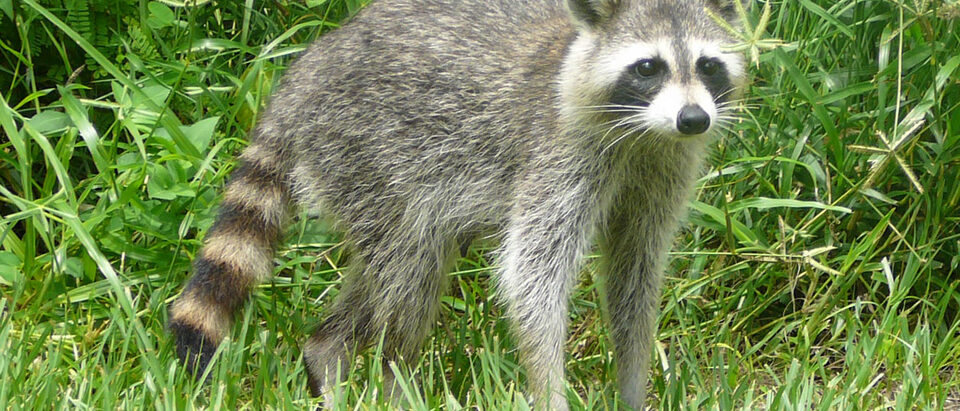
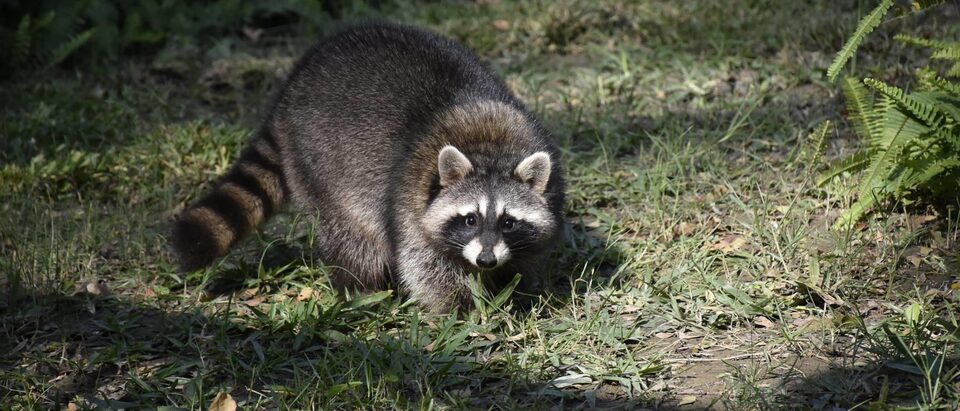
Contain the raccoon in the kitchen area. Close kitchen doors and block any open pathways to the rest of the house. Raccoons are strong, dexterous animals with highly sensitive forepaws. They can open cabinets, pull out drawers, and pry open doors.
-
Open a door or large window to the outside. If the raccoon entered through an open door or pet flap, open the same exit wide and remove any obstacles. Stand in another room and give the raccoon a clear, quiet path to leave on its own. Most raccoons will retreat if they feel unthreatened and see an exit.
-
Remove all food sources immediately. Pick up pet bowls, secure trash bags, and wipe down counters. A raccoon that finds food will resist leaving and will likely return after removal.
-
Call animal control if the raccoon does not leave within 30 minutes. Do not approach or corner the animal. Raccoons can deliver serious bites and carry rabies, distemper, and raccoon roundworm.
Bat in the Bedroom
For a dedicated guide, see my complete bat in the house emergency guide.
-
Open windows and doors to the outside. Bats navigate by echolocation and will usually find their way out if given an open exit. Turn off ceiling fans and lights. Once the bat leaves, close the windows and seal the entry point.
-
If the bat is grounded or injured, capture it safely. Wear thick leather gloves. Place a cardboard box or container over the bat, slide a piece of cardboard underneath, and secure the lid. Do not touch the bat with bare hands under any circumstances.
-
Contact your local health department about rabies testing. CDC’s position is blunt: most human rabies deaths in the United States now come from bat exposures rather than from dog bites, and CDC guidance is that a bat found in a room where someone was sleeping counts as a possible exposure even if nobody remembers being touched If the bat was in a room where someone was sleeping or if a person or pet had any contact with the bat, the animal should be tested for rabies.
If a bat is found in a bedroom where someone was sleeping, assume potential exposure occurred and consult a medical professional about rabies post-exposure prophylaxis (PEP) immediately.
Squirrel in the Fireplace
-
Open the fireplace flue fully. Squirrels often enter through uncapped chimneys or open flues. If you hear scratching inside the fireplace, open the flue damper all the way so the squirrel can climb back up to the roof.
-
Make loud noises and shine a bright light. Squirrels are easily startled by noise and bright light. Clap, bang pots, or use a flashlight to encourage the squirrel to retreat upward. Open the glass fireplace doors or curtain only if the animal is trapped in the firebox.
-
Install a chimney cap with steel mesh after removal. The only permanent solution is exclusion. A stainless steel chimney cap with 1/2 inch hardware cloth prevents future squirrel entry and also keeps out raccoons and birds.
Never light a fire when you suspect an animal is in the chimney. The smoke may force the animal into the house or cause it to become trapped and die inside the flue.
Animal in the Attic at Night
-
Identify the sounds to determine the species. Scratching and scurrying at night usually means rodents or squirrels. Heavy thumping or walking sounds suggest raccoons or Virginia opossums. Gnawing and grinding sounds often indicate rats.
-
Check for babies before sealing anything. During spring and summer, female raccoons and squirrels may have nests of young in the attic. If you seal the entry point with babies inside, the mother will tear through your roof to reach them, and the babies will die and cause odor problems. Look for nesting materials, droppings, and listen for high-pitched distress calls.
-
Install a one-way exclusion door. A professional wildlife operator can install a one-way door that lets the animal exit but prevents re-entry. This is the most humane and effective method. After confirming all animals have left (usually a few days), seal the entry point permanently with 1/4 inch hardware cloth and galvanized steel mesh.
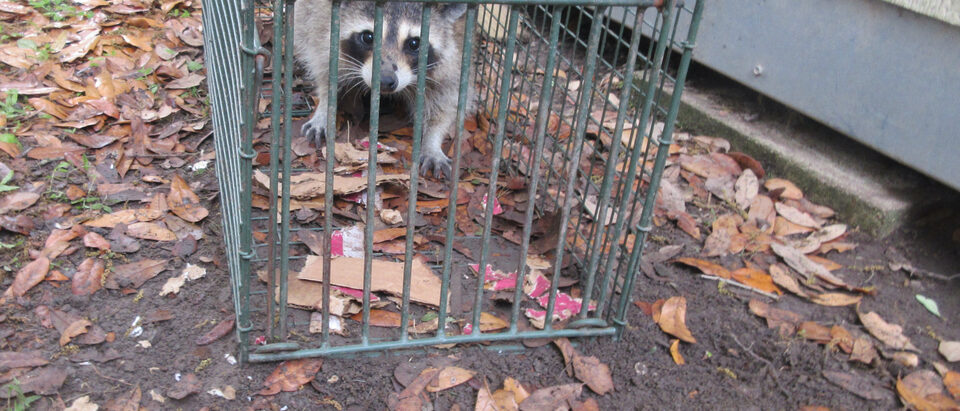
Never handle bats or raccoons barehanded or with standard household gloves. Bats are the primary vector for rabies in North America, and raccoons frequently carry rabies, distemper, and roundworm. Even a minor scratch can transmit disease. Always wear thick leather gloves and use a container or trap for any direct contact. If you have been bitten or scratched, wash the wound thoroughly with soap and water and seek medical attention immediately.
Pro Tip: Keep an Emergency Wildlife Kit Prepare a small kit with thick leather gloves, a cardboard box with a lid, a flashlight, a heavy towel or blanket, duct tape, and a phone with your local wildlife control operator’s number saved. Store it in a closet near the most common entry points. When an emergency happens, having these items ready saves precious minutes and reduces panic.
Frequently Asked Questions
Open a window and close the bedroom door, then leave the room. Do not swat at the bat or try to capture it unless it is grounded. Contact your health department for rabies risk assessment. If you cannot rule out exposure while you were sleeping, seek medical advice about rabies PEP.
Heavy thumping or walking sounds at night are usually raccoons, which can be aggressive and carry multiple diseases. High-pitched squeaking may be squirrel babies.
Scratching and gnawing are typically rodents. If you are unsure, stay out of the attic and call a wildlife professional to inspect. Never enter an attic with a trapped animal without protective gear.
No. Mothballs are not registered for outdoor or wildlife use and can be toxic to people and pets. Ammonia and other chemical repellents may temporarily discourage animals but can also cause them to become trapped or die inside walls, creating severe odor problems. Professional one-way exclusion doors are the only safe and effective method.
Uncapped chimneys, damaged roof vents, gaps around plumbing and utility lines, pet doors, and deteriorated soffits or fascia boards remain the top entry points. A squirrel needs only a 1.5 inch gap, and a raccoon can enlarge a small hole using its dexterous forepaws.
Costs vary by location, species, and complexity of the job. Single-animal removals typically cost a few hundred dollars, while full exclusion work (sealing all entry points and installing one-way doors) runs higher. Always get a written estimate and ask about warranties on exclusion repairs.