
Wildlife removal pricing is all over the map, because it depends on the animal, how many of them there are, and how hard your house is to work on. As a rough rule, most people pay somewhere in the low hundreds for a simple single-animal job and well into the thousands once exclusion and cleanup are involved. I’ll break down where the money goes so you can spot a fair quote and avoid the cheap ones that cost you double later. For your own house, run the details through my wildlife removal cost calculator first.
- Get at least three written quotes. Comparing what’s included matters more than comparing the bottom line.
- Exclusion is the part you can’t skip. Trapping without sealing the entry just means the next animal moves in.
- A too-cheap quote is a red flag. The $100 “full job” usually skips the sealing and the cleanup, and you pay a real company to redo it.
- Ask if the inspection fee is credited toward the job if you hire them.
Where the Money Goes
A wildlife job usually breaks into three parts, and each one costs separately:
- Inspection. A few hundred dollars at most, and many companies fold it into the price if you hire them for the full job.
- Removal. Trapping, one-way doors, or hand-removing animals, usually the core of the bill.
- Exclusion and repair. Sealing entry points and fixing damage, and this is where jobs get expensive, because it’s the labor-heavy part.
Rough Costs by Animal
The animal drives the price. These are ballpark ranges, not firm numbers:
| Animal | Typical job size | Notes |
|---|---|---|
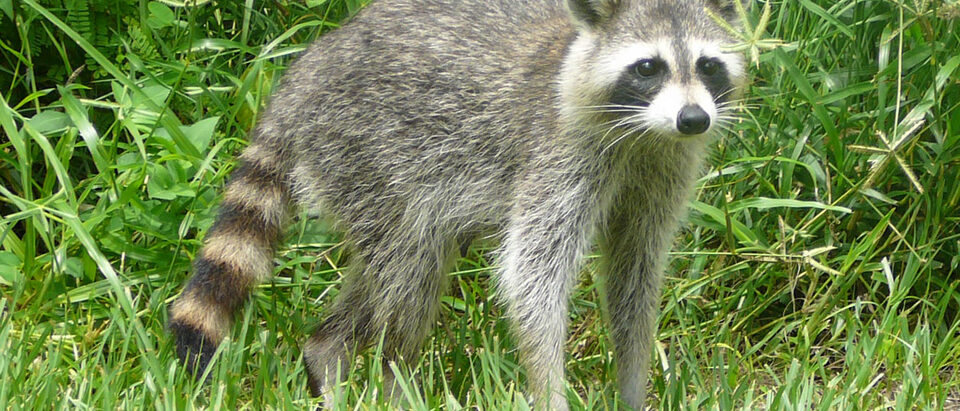
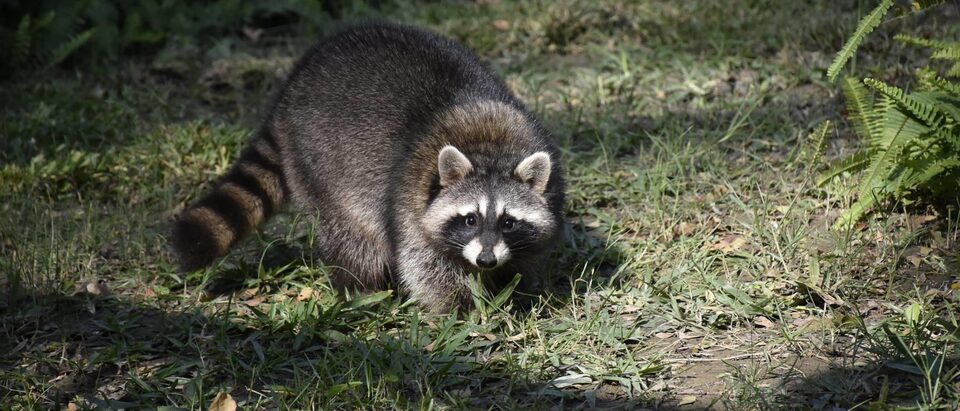
| Raccoon | Moderate | Often a mother with babies, which means hand-removing the young |
| Squirrel | Low to moderate | Usually a single animal or a small litter in the attic |
| Snake | Low | A single visit, unless it’s venomous |
| Possum | Low | A single animal, quick job |
| Bat | High | Whole colonies, guano cleanup, and legal exclusion windows |
Bat jobs run the most because you’re dealing with a colony, a mess of guano, and state-regulated timing. Snakes and possums are usually single-animal visits and sit at the cheap end.
Inspection Costs
A professional inspection typically runs a couple hundred dollars and takes under a couple of hours. The tech checks the attic, crawlspace, roofline, foundation, and exterior for entry points, droppings, nesting, and damage.
Many companies waive the fee if you hire them for the removal and exclusion, so ask. And be wary of the “free inspection” that turns into a high-pressure same-day sales pitch. A legit company gives you a written estimate and time to think.
Trapping and Removal Costs
Removal is usually the most predictable part, but it still varies by species and how many animals you have:
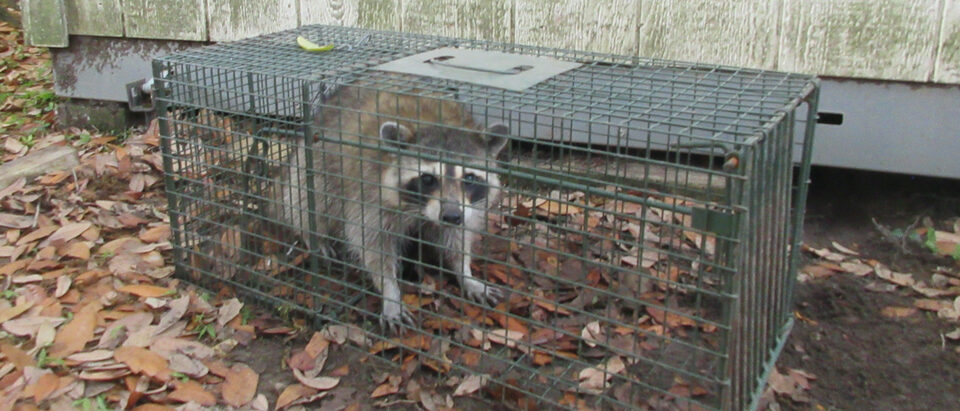
- Live trapping for a raccoon or possum, where someone checks the trap over several days.
- One-way doors for squirrels and bats, letting animals leave but not return.
- Snake capture, where venomous species cost more for the extra handling.
Most companies charge per job, not per animal, so a raccoon with a litter is priced as one removal, not five. Be suspicious of anyone charging per animal unless you’re sure there’s only one.
Exclusion and Repair Costs
This is the step that stops the problem from repeating, and it’s worth paying for. Exclusion includes sealing holes, capping chimneys, covering vents, and repairing whatever the animal tore up. Professionals use commercial-grade hardware cloth and flashing that outlasts the stuff at the hardware store.
Skipping exclusion is the classic way people “save” money and then pay twice. The animal comes right back through the hole you never sealed.
Emergency vs Scheduled Service
Emergency work costs more, and for good reason. A raccoon in your kitchen at 10 pm on a Saturday is a different job than a squirrel in the attic on a Tuesday morning.
- Scheduled service is the standard pricing.
- Same-day service adds a surcharge.
- After-hours and weekend work adds more, on top of a possible trip fee.
Most companies treat “animal inside the living space” or “venomous snake in the house” as an emergency. Noises in the attic at night are annoying but usually aren’t one.
What Drives the Price Up
- Infestation size. One raccoon is cheaper than a mother with four babies, and a bat colony can be hundreds.
- Access. Tight crawlspaces, steep roofs, and cramped attics add labor.
- Damage already done. Chewed wires and soaked insulation add repair cost.
- Contamination. Heavy guano or urine means hazmat-style cleanup and disposal.
- Season. Spring and early summer are peak, and baby-animal restrictions can complicate things.
Frequently Asked Questions
Usually not. Standard policies typically exclude pest and vermin damage. But if a squirrel chews through wiring and starts a fire, the fire damage itself may be covered even though the removal wasn’t. Read your policy or ask your agent.
Not for a standard personal residence. If you own a rental or commercial property, removal may count as a business or maintenance expense. Talk to a tax pro about your situation.
Many do for bigger jobs, like a full bat exclusion with attic cleanup, since those can run into the thousands. Ask about financing, and be wary of any company demanding full payment before work starts.
Reputable companies warrant their exclusion work, often for a year or more. The warranty usually covers the same animal re-entering through the same sealed points, not new damage from a different animal. Get the terms in writing.
Sometimes the labor is cheaper, but a rural job may come with a travel fee that cancels it out. In the end, comparable work tends to land in a similar range either way.
The Bottom Line
Wildlife removal pricing comes down to the animal, the size of the problem, and whether you do the exclusion right. Get three written quotes, compare what’s included, and don’t chase the lowest number. The cheap quote that skips sealing is the one that costs you twice.