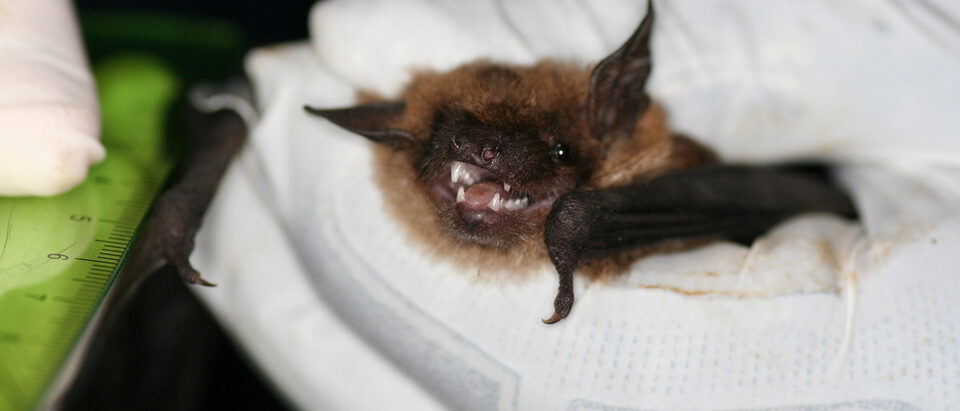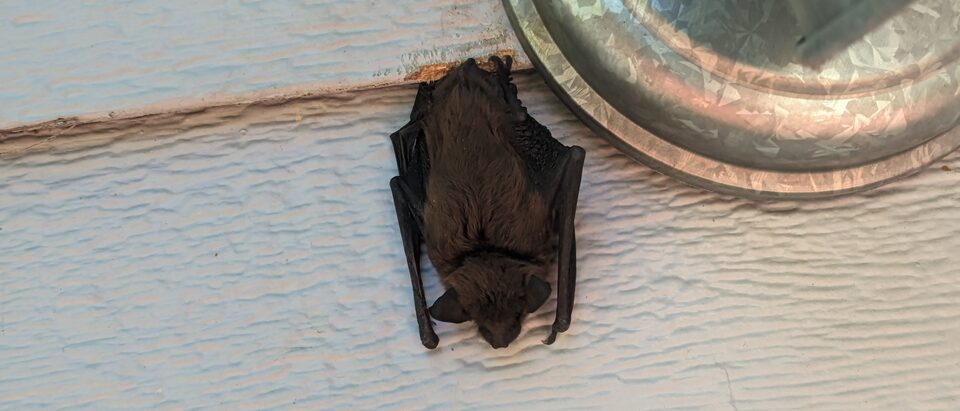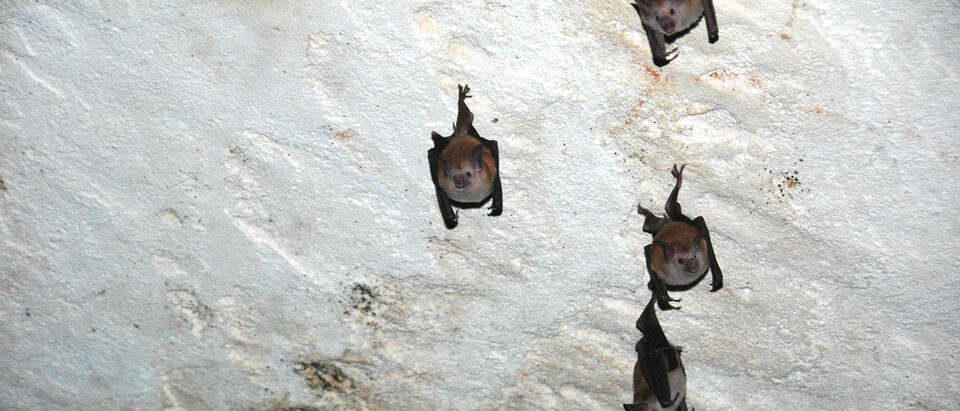
Hibernating bat with white-nose fungus on nose and wings

White-Nose Syndrome in Bats: What Homeowners Need to Know (2026)

White-nose syndrome (WNS) is one of the most devastating wildlife diseases in North American history. Caused by the fungus Pseudogymnoascus destructans, WNS has killed millions of hibernating bats since it was first documented in New York in 2006.

While homeowners rarely encounter the disease directly, understanding white-nose syndrome is important for bat conservation, legal compliance, and recognizing when a bat roost may contain sick or dying animals.

Key Takeaways

  • What causes WNS: A cold-loving fungus (Pseudogymnoascus destructans) that grows on bats during hibernation.
  • How it kills: The fungus damages wings and skin, causing bats to wake from hibernation early and burn critical fat reserves.
  • Which bats are affected: Little brown bats (Myotis lucifugus), tricolored bats (Perimyotis subflavus), and northern long-eared bats are hit hardest.
  • Human health risk: WNS does not affect humans. However, sick bats may behave unusually and pose a higher rabies transmission risk.
  • Legal implications: Several bat species affected by WNS are protected under the Endangered Species Act, affecting exclusion timing and methods.

What Is White-Nose Syndrome?

White-nose syndrome is a fungal disease caused by Pseudogymnoascus destructans (Pd). The fungus thrives in cold, humid environments , the same conditions found in caves and mine shafts where bats hibernate.

It was named for the characteristic white fungal growth visible on the muzzles, wings, and ears of affected bats.

The fungus was first documented in Schoharie County, New York in February 2006. It is believed to have been introduced from Europe, where native bat species have evolved resistance. North American bats have no natural immunity, and the disease has spread rapidly across the continent.

How White-Nose Syndrome Kills Bats

The fungus grows on the exposed skin of hibernating bats, particularly the wings, ears, and nose. As the fungus invades the skin tissue, it causes several fatal effects:

  1. Wing membrane damage , The fungus erodes the wing membrane, impairing flight and disrupting essential hydration and circulation.
  2. Premature arousal , Infected bats wake from torpor (hibernation) more frequently, burning critical fat reserves needed to survive winter.
  3. Dehydration , Wing damage increases water loss through the skin, causing dehydration that further depletes energy stores.
  4. Behavioral changes , Sick bats may fly during daylight or enter homes during winter , unusual behavior that increases human contact risk.

Mortality rates in affected hibernation sites can reach 90 to 100 percent. Some species, like the tricolored bat (Perimyotis subflavus), have experienced population declines of over 90 percent since WNS arrived.

Bat Species Most Affected by WNS

Not all bat species are equally affected by white-nose syndrome. The following North American species have experienced the most severe population declines:

  • Little brown bat (Myotis lucifugus) , Once the most common bat species in North America, now listed as Endangered by COSEWIC in Canada and under review for US ESA listing.
  • Tricolored bat (Perimyotis subflavus) , Over 90 percent population decline. Proposed for federal ESA listing.
  • Northern long-eared bat (Myotis septentrionalis) , Listed as Threatened under the US Endangered Species Act.
  • Indiana bat (Myotis sodalis) , Federally listed as Endangered, with WNS compounding existing threats.
  • Big brown bat (Eptesicus fuscus) , Less severely affected but still susceptible to the fungus.

How WNS Affects Homeowners

While white-nose syndrome primarily affects cave-hibernating bats, it has several implications for homeowners dealing with attic bat colonies:

Behavioral changes , Sick bats may behave unusually, including entering living spaces during winter months when bats should be hibernating. This increases the chance of finding a bat in your bedroom or living room.

See our bat in the house emergency guide for immediate steps.

Protected species , Several species affected by WNS are protected under the Endangered Species Act. If you have a bat colony in your attic, you may need to verify the species before performing exclusion. Certain exclusion methods or seasons may be restricted.

Legal requirements , In some states, homeowners are required to report bat colonies in buildings within WNS-affected regions. Check with your state wildlife agency for specific requirements.

Conservation consideration , Installing a bat house provides alternative roosting habitat and supports bat conservation. See our best bat houses guide for recommendations.

Key Fact

White-nose syndrome does NOT pose a direct health risk to humans, pets, or livestock. The fungus grows only at cold temperatures (39-59°F / 4-15°C) and cannot infect mammals with normal body temperatures.

However, bats sick with WNS may behave erratically, and any bat that is active during winter or in daylight should be treated as a potential rabies risk.

<!– wp:heading –>

WNS Spread and Current Status (2026)

As of 2026, white-nose syndrome has been confirmed in 40 US states and 8 Canadian provinces. The fungus continues to spread westward and southward. Key current facts:

  • WNS confirmed in 40 US states and 8 Canadian provinces
  • Estimated 6.7+ million bat deaths since 2006
  • Little brown bat populations declined by 90%+ in affected regions
  • Tricolored bat proposed for Endangered Species Act listing
  • Research into a WNS vaccine is ongoing but not yet available for wild populations
  • Decontamination protocols are required for anyone entering caves or mine shafts

What to Do if You Find a Sick Bat

If you find a bat during winter or one that appears sick (visible fungus, difficulty flying, active during daylight):

  1. Do not touch the bat with bare hands. Use heavy leather gloves or a tool.
  2. Place the bat in a sealed container with air holes if it is inside your living space.
  3. Contact your state wildlife agency or a licensed wildlife rehabilitator for guidance.
  4. If there is any chance of human or pet contact (bite, scratch, or saliva exposure), contact your health department about rabies post-exposure prophylaxis.

Frequently Asked Questions

Can humans get white-nose syndrome?

No. Pseudogymnoascus destructans cannot infect humans or other mammals with normal body temperatures. The fungus only grows at cold temperatures (4-15°C / 39-59°F).

Should I avoid removing bats because of WNS?

No. Proper bat exclusion remains legal and recommended. However, you should check state regulations for any species-specific restrictions, particularly if endangered bats are in your area.

Does WNS spread from attic bat colonies?

WNS spreads primarily through bat-to-bat contact in hibernation sites (caves and mines). Attic bat colonies typically do not hibernate in buildings and are not major vectors of the disease.

How can I help bat conservation?

Install a bat house, support bat research organizations, avoid disturbing hibernation sites, and follow decontamination protocols if you visit caves.

Related Resources

Learn more about bat behavior in our guides on bat maternity season and bat in the attic signs and removal. For conservation, see best bat houses.

Health concerns: bat guano cleanup guide.

? Bat maternity season guide · Bat in the Attic guide · Best bat houses for conservation

Why Trust Us

WildAnimalsCentral.com relies on authoritative sources for bat disease information, including the US Geological Survey (USGS) National Wildlife Health Center, the US Fish and Wildlife Service White-Nose Syndrome Response Team, and the Centers for Disease Control and Prevention (CDC).

Our bat conservation content is reviewed annually and updated to reflect the latest scientific findings and legal protections.