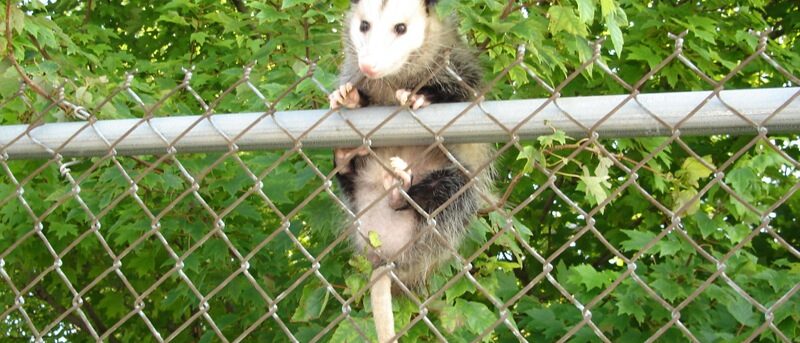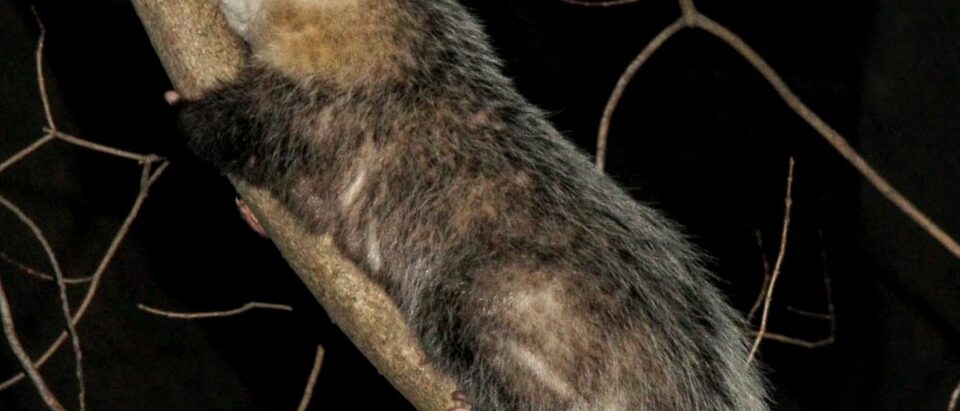

Let me answer the question behind the question: there is no quick home method for killing a possum that’s both humane and legal. The honest answer is that you usually don’t need to kill one at all. Possums are harmless, mostly beneficial animals, and a live trap handles the situation without any of that. I’ll walk you through the humane route and when a vet or rehabilitator is the only proper answer.
- Live trapping is the humane way to remove a possum. Killing one is rarely necessary and often illegal.
- Possums are actually useful. They eat ticks, bugs, and dead animals.
- Never use poison, glue traps, or drowning. They’re inhumane, often illegal, and dangerous to pets and kids.
- If euthanasia is truly needed, a veterinarian or wildlife rehabilitator is the only proper way to do it.
The Humane Way to Remove a Possum
A live trap is how you do this right:
- Use a trap big enough for a possum to stand and turn around.
- Bait it with canned fish, fruit, or peanut butter, placed behind the trigger plate.
- Set it near the possum’s path, along a fence or near the den, and cover the floor with leaves so it doesn’t feel like metal.
- Check it often. Don’t leave a trapped possum for hours, they stress easily.
- Relocate or have it removed. Check your local rules first, and don’t just dump it somewhere unfamiliar.
A note on relocation: a lot of places restrict moving wildlife, and a relocated possum often doesn’t survive in new territory. Before you drive anywhere with a trap in the car, ask the state agency what is allowed where you live: FWC, the NC Wildlife Resources Commission or SCDNR. Your state wildlife agency can tell you what’s legal where you are.
What Not to Do
Never use poison, glue traps, or drowning. Rodent poison is registered for rodents, not for opossums, so using it on one is a use inconsistent with its label and a violation of federal pesticide law. It also kills slowly and poisons whatever eats the carcass. Glue traps and drowning are just as bad. And none of these are legal ways to deal with wildlife.
When Removal Is Actually Needed
- A possum has gotten into your living space.
- One has taken up permanent residence under a deck or shed and won’t leave.
- It’s causing real damage to wiring or insulation.
- It’s sick or injured, in which case a wildlife rehabilitator is the call.
A possum just passing through your yard doesn’t need anything from you. Leave it alone and it’ll eat bugs and move on.
Prevention
- Lock your garbage cans.
- Bring pet food and birdseed in at night.
- Pick up fallen fruit.
- Seal gaps under decks and porches with hardware cloth.
- Add motion-activated lights to discourage nighttime visitors.
Frequently Asked Questions
Nothing a homeowner can do at home qualifies. The humane options are live trapping and removal, or, for a seriously injured animal, euthanasia by a veterinarian. There’s no DIY method I’d ever recommend.
Rodent poison can kill a possum, but it is slow and painful, it is not a legal use of a rodenticide, and it poisons predators that eat the carcass Possums aren’t rodents, so rodenticides aren’t even labeled for them. Never use poison on wildlife.
Discharging a firearm in town is illegal in most places, and even in rural areas there are hunting rules. Live trapping is the better answer, and it’s legal in far more situations.
It varies by area, but a single possum is usually one of the cheaper wildlife jobs, a few hundred dollars at most including the visit. DIY trapping is just the cost of a trap and bait.
The Bottom Line
You almost never need to kill a possum, and there’s no humane home method for doing it anyway. Live-trap it and move it along, or call a professional. Possums eat ticks and dead animals and mostly want to be left alone, so if it’s just passing through, let it.