
The single most important rule of keeping opossums out of your house is this: make sure the animal is already gone before you seal anything up. Seal one in, and you will have a dead animal rotting inside a wall. I have heard that smell described by people who learned the hard way, and none of them recommend the experience.
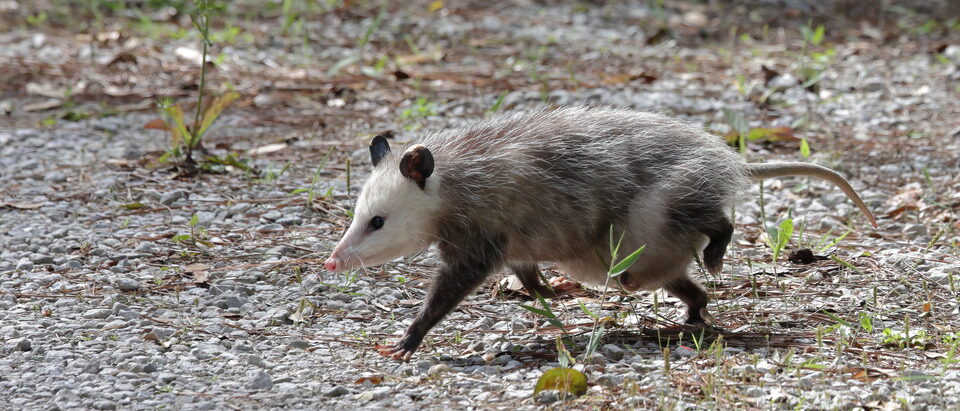
The second rule is that opossums, which a lot of me just call possums, do not need much of a gap. They can wriggle through an opening about four inches across, and they are happy to work a loose vent or a rotted soffit into a doorway. The good news is that blocking them out is a weekend job if you are methodical about it.
Here is how I go through a house and close off every opening an opossum can use.
What you need
Most of this is basic hardware store stuff:
- 1/2 inch galvanized hardware cloth, the workhorse of this whole job
- wire cutters or tin snips
- a drill and self-tapping screws with washers
- expanding foam for gaps around pipes and wires
- steel wool to pack into small holes before you foam
- a chimney cap with fine mesh
- caulk, weatherstripping, and door sweeps
- a flashlight and a ladder
One note on chicken wire: skip it. It has big holes, and opossums can push through it or tear it. Hardware cloth is the right tool.
Start at the roofline
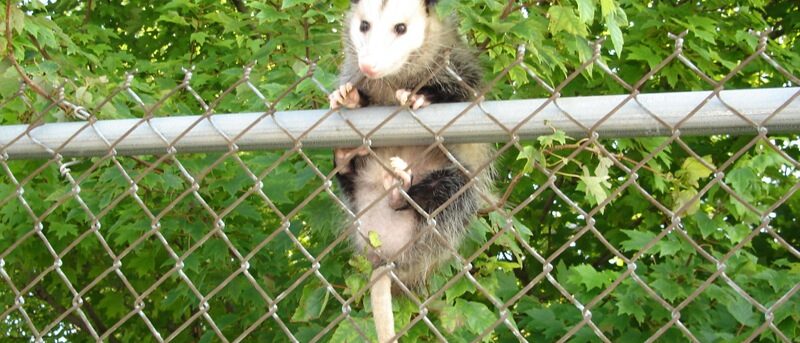
Opossums are better climbers than people give them credit for, and the roofline is where they get in most often. Walk around and look for:
- soffit sections that have pulled loose
- fascia boards that are rotted or have gaps
- any opening where the roof meets the wall
- loose shingles that leave a gap into the attic
- tree branches touching the roof, trim them back so there is clear air between tree and house
Then the foundation and crawlspace
- Check every foundation vent for damage or a missing cover, and replace with hardware cloth.
- Seal gaps around pipes and wires where they pass through the wall. Steel wool first, foam over it.
- If there is a crawlspace, close off any door or access panel that does not sit flush.
- Bury hardware cloth under decks and porches, a few inches below ground, so an animal cannot dig under the edge.
Cover vents and the chimney
- Screen every vent, attic, crawlspace, dryer, kitchen, with 1/2 inch hardware cloth.
- Cap the chimney with a fine-mesh cap. This is the only permanent fix for a chimney.
- Fasten the covers with screws, not staples. Staples pop out, and an animal will be back in.
Doors and windows
- Put door sweeps on exterior doors so there is no daylight under them.
- Fix torn window screens and make sure windows close tight.
- Close pet doors at night or remove them. A pet door is a standing invitation.
Make sure the animal is out first
Before you seal the last gap, be sure nothing is inside. The safest way is to watch at dusk and see if anything comes out, then seal after it leaves. If you are not sure, use a one-way door that lets an animal out but not back in, then seal behind it a few days later. Never trap an opossum and drop it somewhere unfamiliar, most do not survive the move, and it is illegal in plenty of places anyway.
Frequently Asked Questions
A thorough pass over a typical single-story house takes a weekend. A bigger house, a complicated roof, or a lot of deferred maintenance will add time.
1/2 inch galvanized hardware cloth. It is rust-resistant, tough to chew through, and bends around corners. Attach it with screws and washers. Chicken wire does not cut it.
Doing it yourself is cheap, mostly a roll of hardware cloth, foam, a chimney cap, and weatherstripping. Hiring it out costs more and depends on the size of the house and how many openings need work.
Never. If you seal one in, it dies and the smell will find you. Remove the animal first, or use a one-way door, then seal the opening for good.
About four inches. That is smaller than a lot of people assume, which is why the rotted corner of a vent or a loose soffit is all they need.