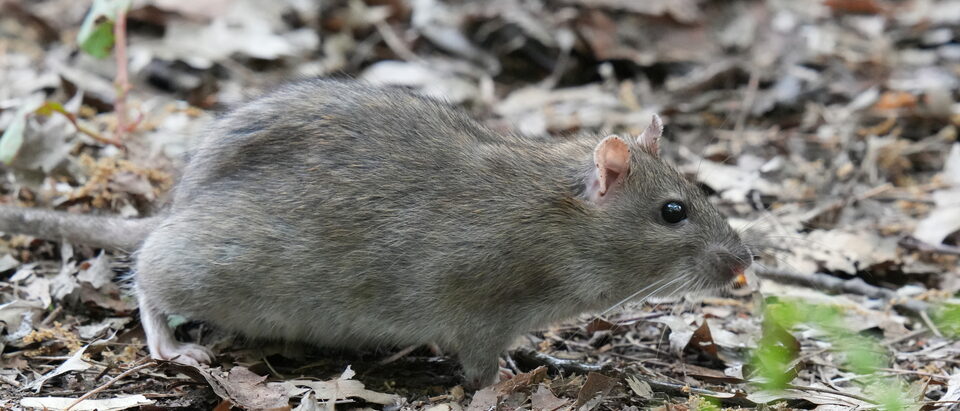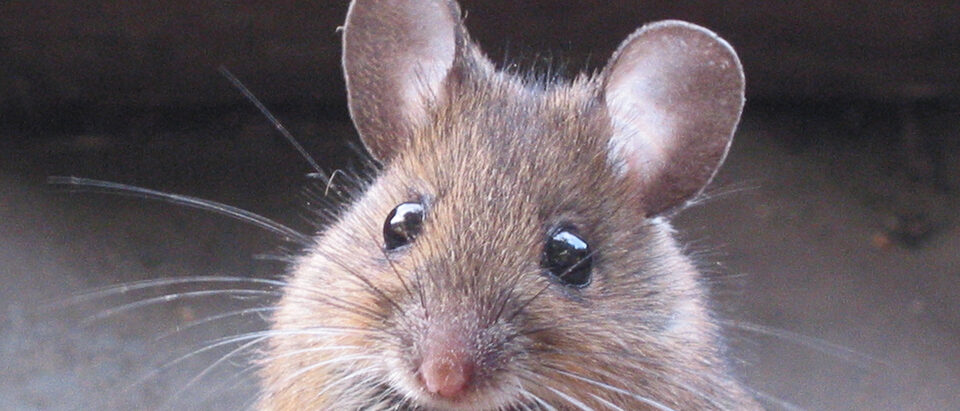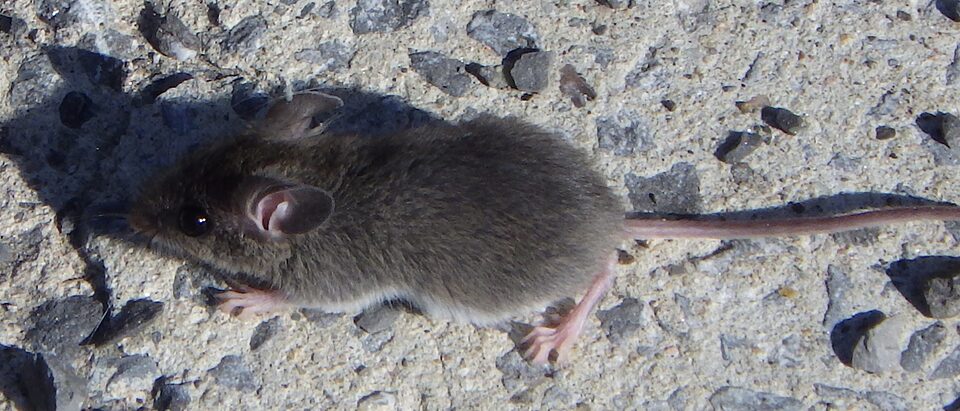

A rat in the attic is not a small problem. Rats gnaw wiring, tear up insulation, and carry disease, and they are a lot more cautious than the mice most people have dealt with. That caution is the whole reason trapping attic rats frustrates people. Not sure what you are hearing? My attic noise identifier matches the timing and the sound to the animal.
Here is how to confirm you have rats, get them out, and keep them out. The order matters more than anything.
How to Know It Is Rats, Not Mice
The sounds and the droppings give it away:
- Sound. A rat running across the attic sounds heavy, like a much bigger animal than a mouse. Mice scratch and squeak. Rats thump and scurry. You will hear it most at night.
- Droppings. Rat droppings are bigger, about half to three quarters of an inch, capsule-shaped with blunt ends, usually in piles. Mouse droppings are tiny by comparison.
- Gnaw marks. Rats gnaw wood, wiring, and pipes, and their marks are bigger and deeper than a mouse’s.
- Grease marks. Rats have oily fur and leave dark smears along the walls and beams they travel.
- Nests. Rats build nests from shredded insulation and paper, larger than a mouse nest.
The Order That Actually Works
Here is the part most people get wrong. You have to remove the rats before you seal anything. If you seal the holes while rats are still inside, they die in your walls and you trade a rat problem for an odor problem that lasts weeks.
The sequence:
- Inspect the attic during the day. Find the nests, the runways, and the entry points. Wear a respirator and gloves.
- Pre-bait the traps. Set traps without arming them for a couple of days so the rats eat freely and stop fearing them. Rats are suspicious of anything new, and this step is not optional.
- Arm the traps. Large snap traps or electronic traps, placed along walls and beams, baited with peanut butter or bacon.
- Check daily and remove any dead rats promptly.
- Seal the entry points. Only after the rats are gone. Close every gap bigger than about a quarter inch with copper mesh, hardware cloth, and foam.
- Clean and sanitize. Pull contaminated insulation and disinfect the area.
Why Pre-Baiting Is Not Optional
Rats are neophobic, which is a fancy word for “afraid of new things.” A mouse will walk right into a brand-new trap out of curiosity. A rat will circle it for days and never touch it. That is why the pre-bait step exists, and why skipping it is the number one reason people catch nothing for a week and give up.
Frequently Asked Questions
Size, mostly. Rats are heavier, louder, leave bigger droppings, and are more cautious. Mice are smaller, curious, and easier to trap. If the noise sounds like something bigger than a mouse, it probably is.
Yes, and this is the reason to take it seriously. Rats strip the insulation off wiring, which can leave live wires exposed. If you have had rats, have an electrician look at the attic wiring.
With pre-baiting and the right traps, most infestations clear up within a couple of weeks. A large or long-established colony takes longer.
No, and I would not. A poisoned rat dies in a wall or a spot you cannot reach, and the smell hangs around for weeks. Traps are cleaner and you know where the dead rat is.