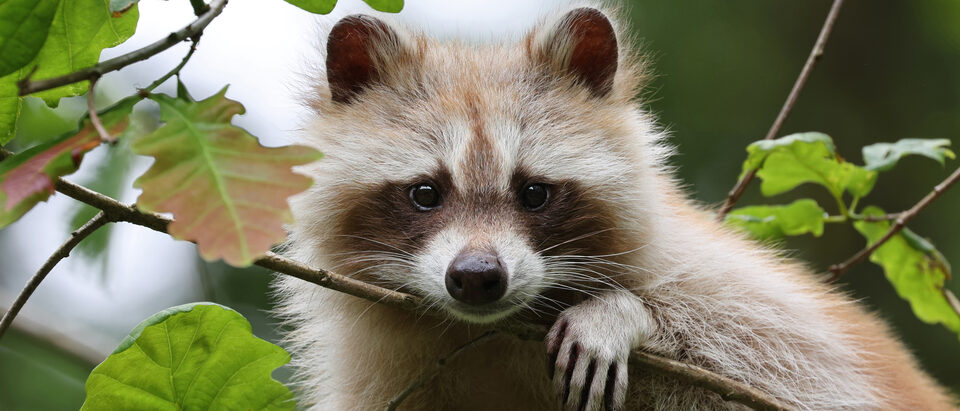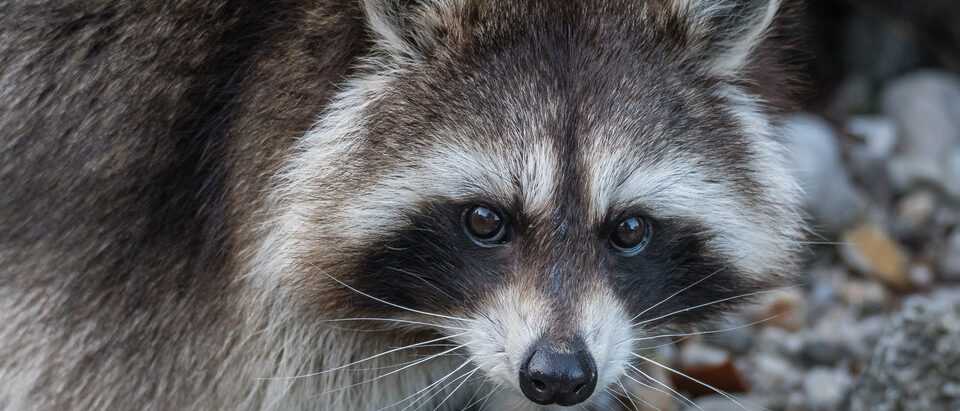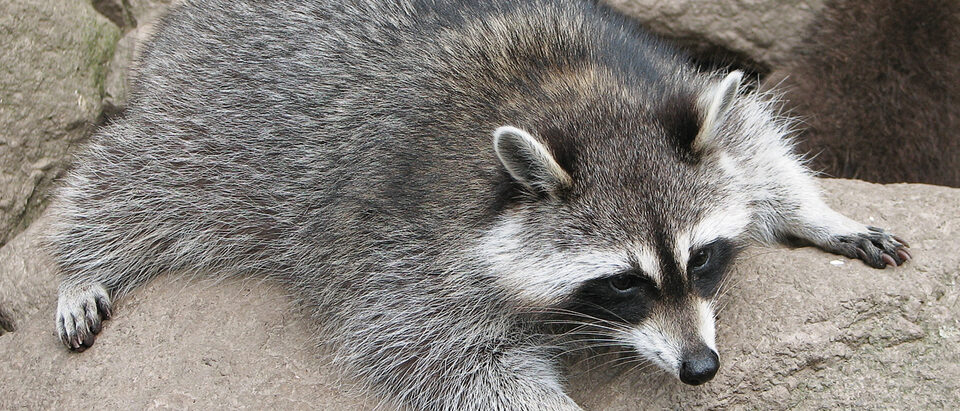

A raccoon that doesn’t back away from people is a serious problem. Get the kids inside, call animal control, and don’t try to handle it yourself.
Most raccoons avoid people. One that approaches, hisses, bares its teeth, or charges is either sick or too bold for its own good, and either way it’s not safe to have around children. Here’s what to do.
What to do right now
- Get every child and pet inside immediately. Move calmly but quickly. Don’t run or scream, it can provoke the animal.
- Close the doors and windows so it can’t follow you in.
- Call animal control or the police non-emergency line. Tell them where the raccoon is and exactly how it’s acting.
- Don’t approach it. Don’t try to scare it off, trap it, or feed it. Backing a raccoon into a corner is how people get hurt.
- If a child is bitten or scratched, wash the wound thoroughly with soap and water, get medical care right away, and report the bite to animal control.
Signs a raccoon is sick or dangerous
A healthy raccoon wants nothing to do with you. These are the signs something’s wrong:
- Out during the day with no fear of people. Raccoons are nocturnal.
- Staggering, circling, or falling over, which can mean distemper or rabies.
- Drooling or foaming at the mouth.
- Hissing, growling, baring teeth, or charging.
- Walking in circles or bumping into things.
- A thin, ragged look with patchy fur, a sign of mange.
The big one: a raccoon that approaches people, especially in daylight, is the classic picture of a rabid animal. Treat it that way until you know otherwise.
What raccoons can carry
The diseases aren’t the reason to panic, but they’re the reason to stay away:
- Rabies. Fatal once symptoms appear, spread through bites and scratches. Treatment has to start fast after exposure.
- Raccoon roundworm. Lives in raccoon droppings and can cause serious nerve damage in people, especially kids.
- Leptospirosis. A bacterial infection from urine in water or soil.
- Salmonellosis and giardia. From contact with droppings or contaminated water.
Kids are the biggest worry here because they’re curious and low to the ground. Supervise outdoor play, and teach the no-wildlife rule early.
Keeping raccoons away from your yard
- Remove the food. Lock the trash, bring pet food in at night, clean up fallen fruit.
- Add motion lights around the yard and entry points.
- Seal gaps under decks, porches, and crawl spaces with quarter-inch hardware cloth.
- Teach the rule: never approach, touch, or feed a wild animal.
- Watch the kids at dawn and dusk, when raccoons are most active.
Frequently Asked Questions
Have the child stay calm and back away slowly without making direct eye contact. Pick up small kids and carry them inside. Don’t run, it can trigger a chase. Then call animal control.
Yes. They carry rabies, roundworm, and other diseases that hit children harder, and a curious kid is more likely to get bitten or exposed to droppings. Supervise outdoor play and teach them to leave wildlife alone.
It hisses, growls, bares its teeth, stands on its hind legs, or charges. It approaches without fear, especially in daylight. A sick one may stagger, drool, or seem confused. Don’t get close to any raccoon acting this way.
They usually avoid dogs, but a cornered raccoon or one protecting its young will fight, and it can badly injure a dog. Raccoons also carry rabies, so keep pets vaccinated and watch them outside.
No. Trapping or cornering an aggressive raccoon is how you get bitten or exposed to rabies. Leave it to animal control.