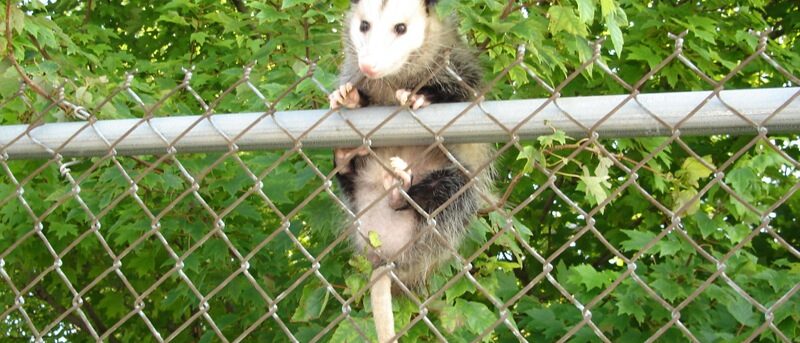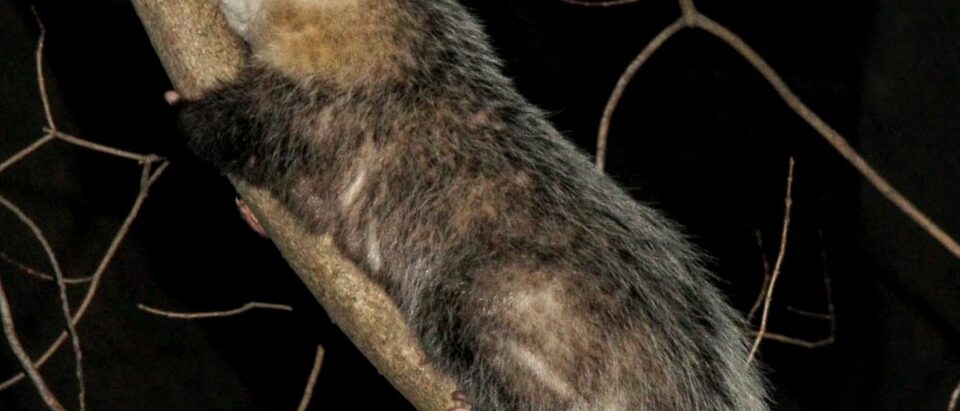

Possum-proofing an attic comes down to one job: close every gap a possum can fit through, and remove the reasons it wants in. An opossum is a good climber and can squeeze through an opening smaller than you would believe, so you seal tighter than you think you need to. Start with the noise identifier if you have not seen the animal yet.
This is a realistic weekend project if you go in with the right materials. Here is the whole job.
Why They Want In, and What to Remove
Opossums are not looking to move in for the architecture. They want warmth, shelter, and something to eat. Before you seal anything, cut the invitation:
- Secure garbage cans with locking lids.
- Bring pet food in at night.
- Pull bird feeders near the house, since spilled seed draws them in.
- Check the crawlspace and garage too, not just the attic. Opossums will happily den under the house instead.
Inspect the Attic and Roofline
Grab a flashlight and look for every way in:
- Soffit gaps and damaged fascia where the roof meets the wall.
- Torn or open vents, including gable, ridge, and soffit vents.
- An uncapped chimney.
- Gaps where pipes and cables pass through.
- Tree branches touching or hanging close to the roofline.
Tools and Materials
- Galvanized hardware cloth, quarter-inch mesh, as your main exclusion material.
- Heavy-duty wire cutters and tin snips.
- Screws, washers, and a drill. Staples pull loose, so use screws.
- Expanding foam for small gaps around pipes.
- Steel wool to back up the foam in small holes.
- A chimney cap with fine mesh.
- Caulk and weatherstripping.
Seal Every Entry Point
- Cover vents and soffit gaps with hardware cloth, cut larger than the opening and screwed down firmly.
- Pack gaps around pipes with steel wool, then seal over it with expanding foam.
- Cap the chimney with a fine-mesh cap, screwed in place, not just set on top.
- Repair damaged soffits and fascia with galvanized flashing.
- Weatherstrip doors and close any gap a possum could get under.
Seal every gap you find wider than about half an inch. You are not just blocking the possum, you are blocking the mice and everything else that follows the same openings.
Check Nothing Is Already Inside
Before you close the last gap, make sure the attic is empty. The fastest way to create a bigger problem is sealing an opossum in. Look for droppings, torn insulation, and nesting material, and if you are not sure, put a one-way door on the main entry and give it a couple of days before you seal it shut.
Prevention
- Trim tree branches back from the roofline so they cannot climb over.
- Inspect the attic every few months for new gaps.
- Keep the garbage locked and the pet food inside.
For more on opossums around the house, read my possum backyard guide.
Frequently Asked Questions
Through damaged soffits, open vents, uncapped chimneys, gaps where the roof meets the wall, and branches touching the roofline. They are excellent climbers and will go up brick, wood, and downspouts.
Smaller than you would guess, a few inches across, which is why you seal anything bigger than about half an inch. If you only close the big obvious holes, you have not finished the job.
Yes. They tear it up for nesting and foul it with droppings, and they may chew wiring or ruin stored items. That is why you want them out and the attic sealed, not just ignored.
For most homes, yes. The inspection is the quick part; sealing soffits and capping the chimney is where the hours go. Have your materials ready before you start and it is a two-day job.
The Bottom Line
Inspect the roofline, soffits, vents, and chimney, seal every gap with hardware cloth and foam, and trim the branches back. Cut the food attractants so they have no reason to try again.
Do the whole job, not just the obvious hole, and you will not be up in the attic again next month.