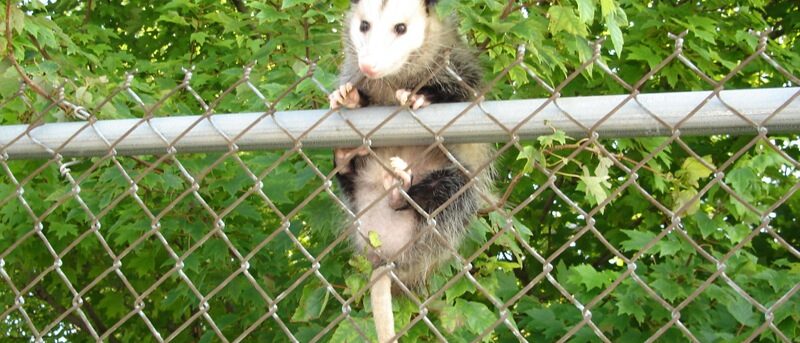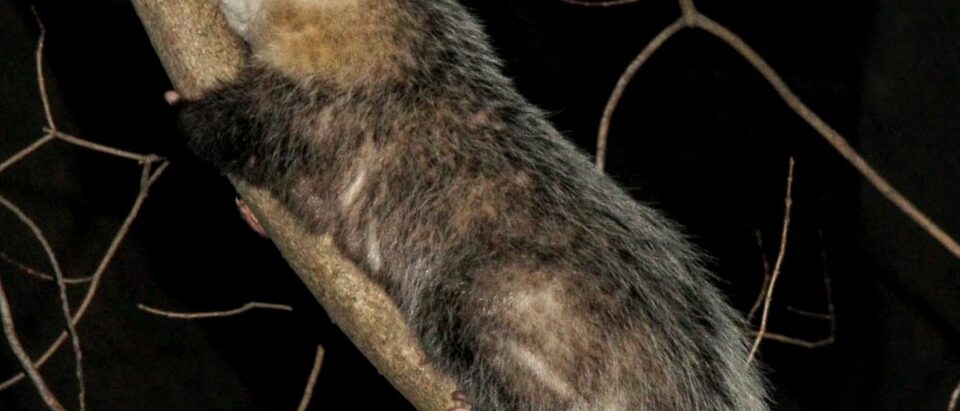

Some plants may help deter possums through strong scents, but no plant is a reliable standalone solution. Virginia opossums rely on their sense of smell to find food.
Strong-scented plants like lavender, rosemary, and marigolds can make your garden less appealing, but possums are primarily driven by food availability. This guide covers the best plants to try and how to use them.
- Lavender, rosemary, and marigolds are the most commonly recommended possum-deterrent plants.
- No plant is scientifically proven to reliably repel possums. Use them as part of a broader strategy.
- Remove food sources like fallen fruit and pet food first. Plants alone will not solve a possum problem.
- Physical exclusion with hardware cloth is the only guaranteed method.
Best Possum-Deterrent Plants
| Plant | Why It May Work | Effectiveness |
|---|---|---|
| Lavender | Strong floral scent | Low |
| Rosemary | Pungent essential oils | Low |
| Marigolds | Strong, bitter odor | Low |
| Garlic | Sulfur compounds | Low |
| Onion | Sulfur compounds | Low |
| Peppermint | Strong menthol scent | Low |
| Eucalyptus | Strong camphor-like odor | Low |
How These Plants Work
Possums have an excellent sense of smell that they use to locate food. Strong scents can mask food odors or be unpleasant enough to make your garden less attractive. However:
- Possums habituate to plant scents within days.
- Scents dissipate quickly outdoors, especially in wind and rain.
- Possums are driven by food, not smell. A hungry possum will cross a scented area.
Better Ways to Deter Possums
- Remove food sources: Secure garbage cans, pick up fallen fruit, remove pet food at night.
- Seal entry points: Use 1/2 inch galvanized hardware cloth under decks, porches, and crawlspaces.
- Install motion-activated lights to deter nighttime foraging.
- Use a live trap (32 x 10 x 12 inches) baited with canned fish if removal is necessary.
For more, read my possum backyard guide.
Frequently Asked Questions
Marigolds produce a strong scent that may make an area slightly less attractive to possums, but they are not a reliable deterrent. Use marigolds as a complementary measure alongside fencing and food source removal.
Possums are sensitive to strong odors like ammonia, garlic, onion, and hot pepper. However, scent-based deterrents are temporary and need frequent reapplication. Physical exclusion is more reliable.
Lavender’s strong scent may have a mild deterrent effect, but planting it alone will not keep possums away. Combine lavender with fencing, motion-activated lights, and food source removal for the best results.
There is no proven natural repellent that reliably keeps possums away. The most effective natural approach is habitat modification: remove food sources, seal entry points, and install motion-activated lights. Physical exclusion with hardware cloth is the only guaranteed method.
The Bottom Line
Plants like lavender, rosemary, and marigolds may have a mild deterrent effect on possums, but they are not a reliable solution. Possums are driven by food availability, not smell.
The most effective approach to possum prevention is removing food sources, sealing entry points with 1/2 inch hardware cloth, and installing motion-activated lights. Use deterrent plants as a complementary measure, not as your primary defense.