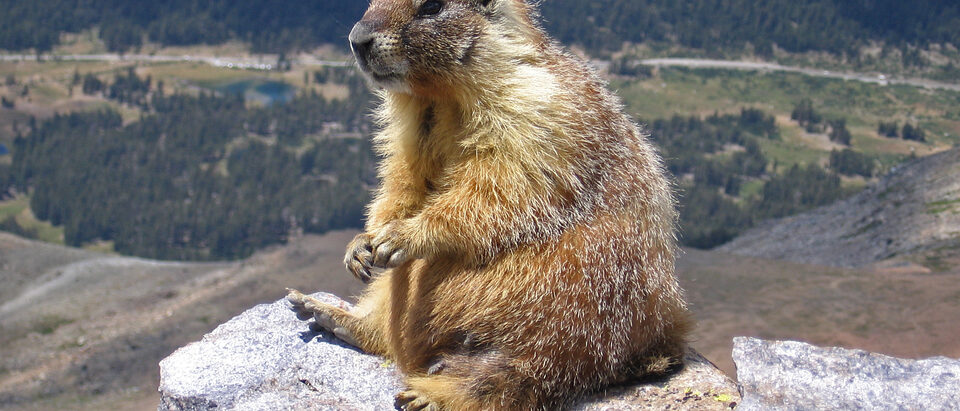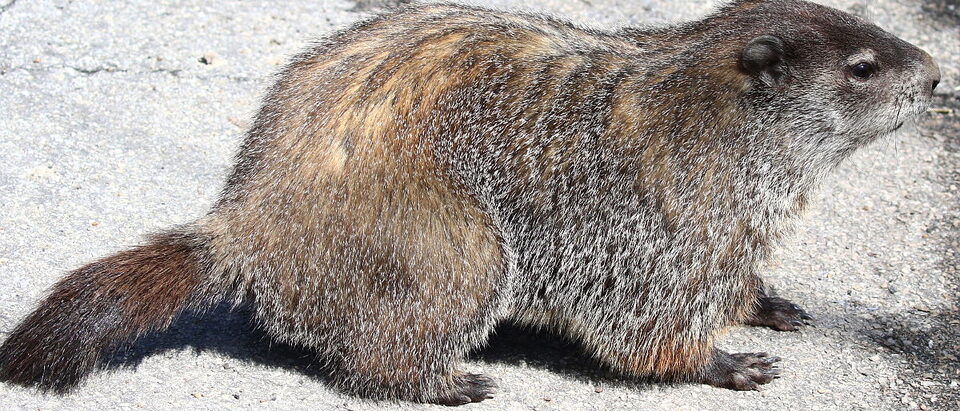

Fencing is the best long-term fix for groundhogs, and honestly the only one I trust for a garden. Trapping removes one animal, but another moves in. A fence that is built right stops them for good. The catch is that groundhog fencing is not the same as regular garden fencing. Groundhogs dig hard and they can climb, so a standard fence won’t hold them.
Here is what a groundhog fence actually needs, how to build it, and the mistakes I see people make.
The Short Version
- Bury it deep. The fence has to go about 12 to 18 inches below ground to stop digging.
- Bend the bottom outward at a right angle so they hit buried mesh when they try to tunnel.
- Make it tall enough. About 3 to 4 feet, with an optional top overhang for climbers.
- Use 1/2 inch or 1 inch galvanized hardware cloth or welded wire, never chicken wire.
What Makes a Fence Groundhog Proof
A groundhog can dig under a normal fence fast, so the fence has to go below ground and turn outward. The standard build is a trench 12 to 18 inches deep, with the fence set in the trench and the bottom few inches bent outward at a right angle away from the area you are protecting.
That outward bend, sometimes called an apron or L-footer, is the most important part. When a groundhog digs down and hits the buried mesh, the bend steers it away instead of letting it tunnel straight through. Skip the bend and the groundhog just digs down and under.
Groundhogs climb too, though they are not as agile as squirrels. They can get up wire mesh, wood, and chain link if the holes are big enough. A fence 3 to 4 feet tall usually does the job. For a really determined groundhog, add an outward overhang at the top so it can’t haul itself over.
Choosing the Right Materials
For groundhogs I use 1/2 inch galvanized hardware cloth. It is strong, rust-resistant, and the small holes keep them from squeezing through or getting a grip. It comes in rolls and cuts with wire cutters. It costs more than chicken wire, but it actually works.
Welded wire with 1 inch by 2 inch openings is a cheaper second option that still stops most groundhogs. The openings are too small for an adult to get through, though a young one might fit the 2 inch side. If you want maximum protection, use the 1/2 inch hardware cloth.
Do not use chicken wire. The holes are big enough for a groundhog to push through, and the wire is thin enough for them to chew. Chicken wire is for keeping chickens in, not keeping determined wildlife out.
Stick with galvanized or coated wire so it doesn’t rust out. Buried wire that rusts is a fence that fails in a few years. Galvanized has a zinc coating that resists corrosion, and vinyl-coated holds up even better. The extra cost is worth it.
Step by Step Installation
Step 1: Plan the Layout
Measure the area, mark the fence line with stakes and string, and remember to plan for the gate. The fence material needs enough height to cover both the buried section and the above-ground section, so plan for roughly 4 to 5 feet total.
Step 2: Dig the Trench
Dig a trench along the fence line about 12 to 18 inches deep and 6 to 8 inches wide. Keep it straight and even, and pull out rocks and roots that would interfere with the mesh. A trencher can save time on a long run.
Step 3: Set the Posts
Set posts every 6 to 8 feet, using treated wood or metal T-posts driven a couple of feet into the ground depending on soil. Attach the mesh with fence staples or wire ties and pull it tight at each post. Leave the bottom 12 to 18 inches loose for the buried section.
Step 4: Bend and Bury the Mesh
Bend the bottom few inches of mesh outward at a right angle, away from the protected area. Set the mesh in the trench with the bent part lying flat on the bottom and pointing outward, then backfill and pack the soil down as you go.
Step 5: Secure the Top
If groundhogs are persistent, bend the top 6 to 12 inches of mesh outward at an angle to block climbing. Support the overhang from the posts or with a top rail.
For a garden, a low-voltage electric wire a few inches off the ground on the outside of the fence is a strong extra deterrent. The shock is mild but it teaches groundhogs to keep away.
Gate Installation and Maintenance
The gate is the weak point in any fence. Build it with the same mesh and buried barrier as the rest, and fit it tight so there are no gaps at the bottom or sides. Even a small gap is an invitation.
Use a self-closing hinge and a latch a groundhog can’t nudge open. Add a ground-level bar or threshold at the bottom so they can’t dig under the gate.
Then inspect the fence regularly. Look for gaps, holes, and fresh digging along the line. If you see a groundhog testing the base, reinforce that spot with more mesh or rocks. Trim plants growing against the fence, since they give groundhogs cover while they dig.
Frequently Asked Questions
About 12 to 18 inches, with the bottom few inches bent outward at a right angle away from the protected area. That bend is what actually stops them from digging under.
No. The openings are big enough to push through and the wire is thin enough to chew. Use 1/2 inch galvanized hardware cloth or welded wire with small openings instead.
Yes, they can climb, just not as well as squirrels. They can get up wire, wood, and chain link if the holes are big enough. A 3 to 4 foot fence usually stops them, and an outward top overhang stops the determined ones.
A well-built fence with galvanized or vinyl-coated wire can last for years. The buried part actually holds up longest because it is out of the sun, while the above-ground part may wear sooner if it sits in direct sunlight.
Bottom Line
A groundhog fence only works if it is buried deep and bent outward at the base. Use 1/2 inch galvanized hardware cloth, set it 12 to 18 inches down, and fold the bottom away from the protected area. Add a top overhang if they climb, and check the fence line for fresh digging now and then. Built right, it keeps groundhogs out for good.