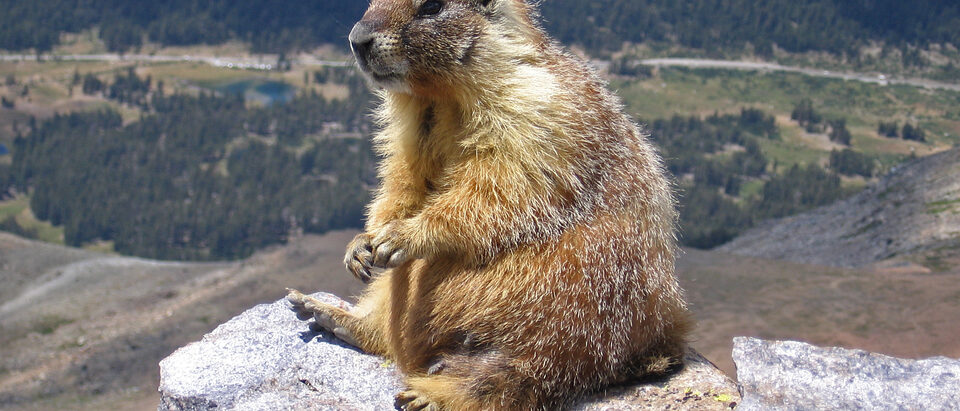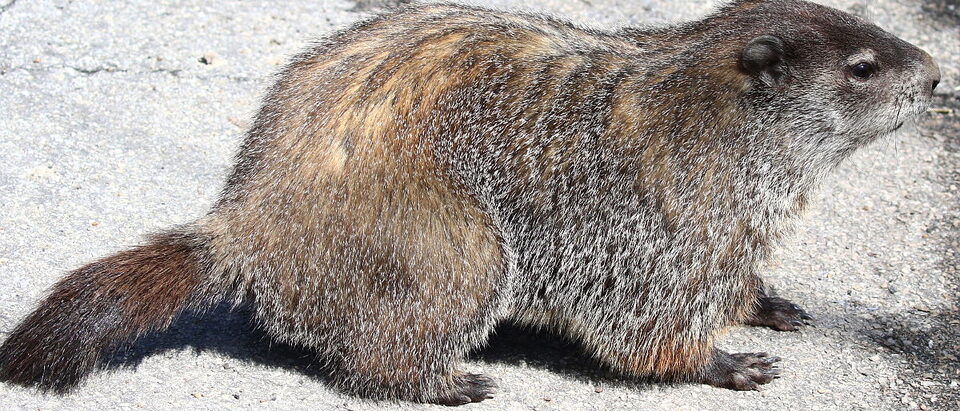

A groundhog can wreck a garden fast, and once one finds your vegetables, it’ll keep coming back. The good news is they’re predictable, and a buried fence built the right way stops them for good. Here’s everything I’d do to keep them out.
Why Groundhogs Love Your Garden
Groundhogs are plant-eaters with a taste for the tender stuff, beans, peas, carrots, lettuce, broccoli, and squash. They’re most active in the early morning and late afternoon, and they tend to feed close to their burrow rather than wander far. They’re also better climbers and diggers than people expect, which is why a flimsy fence won’t cut it.
The Fence That Actually Works
The L-Shaped Fence
This is the standard fix, and it works because it attacks both habits at once: climbing and digging.
Use 1/2 inch hardware cloth, not chicken wire, which groundhogs can chew through. Run it at least 3 feet high. At the bottom, bend the last foot or so outward into an L shape, then bury it a few inches down.
When a groundhog tries to dig under the fence, it hits the buried mesh, and the outward bend stops it from going any deeper. Most give up right there.
An Electric Fence Option
For a bigger plot where burying fence is a pain, a low two-wire electric fence can work. Run one wire a few inches off the ground and a second a bit higher. Check your local rules first, since some places have restrictions on electric fencing near walkways.
Stopping the Climbers
If you’re using a woven wire fence, groundhogs can climb it. Add an outward overhang at the top, angled at about 45 degrees, so they can’t pull themselves over. A smooth PVC sleeve over the top strand makes climbing harder too.
Repellents: Helpful but Not the Answer
Repellents are a backup, not a first line of defense.
- Hot pepper sprays. Capsaicin, the stuff that makes peppers hot, irritates groundhogs and keeps them off treated plants for a while. It washes off in rain, so you have to reapply.
- Predator urine. Coyote or fox urine granules can scare groundhogs off, but a groundhog that’s never actually seen a predator may ignore the smell. Rotate repellents so they don’t get used to one.
- Ammonia rags. Placed near a burrow entrance, ammonia smell can make the area unpleasant, but it fades fast and needs replacing.
Motion-Activated Sprinklers
A sprinkler that blasts water when something moves is one of the best non-lethal deterrents I’ve used. The surprise is what gets them, and they learn to avoid the area. Move it every few days so they don’t figure out the pattern. Ultrasonic repellers, on the other hand, are a lot less reliable, groundhogs just get used to the sound.
Take Away the Hiding Spots
Groundhogs like cover. Clear brush piles, tall grass, and rock piles near the garden, and keep the grass mowed short around the edges. Trim low branches that give them a lookout. An open, exposed garden is a lot less appealing.
Never seal a burrow while an animal is still inside. A mother will dig hard to get back to her young. Make sure the burrow is empty first, then fill it.
Trapping as a Last Resort
If fencing and repellents fail, a live trap is the next step. Use a good-size trap, place it near the burrow or on a travel path, and bait it with cantaloupe, sweet corn, or apple. Check it at least twice a day, since a trapped groundhog can overheat or dehydrate quickly.
Before you trap or move any animal, check your local rules, relocation is restricted or banned in a lot of places. After removal, fix the fence gaps, or a new groundhog moves in within weeks.
Frequently Asked Questions
An L-shaped fence made of 1/2 inch hardware cloth. Run it 3 feet high and bend the bottom outward a foot, buried a few inches down. It stops both digging and climbing.
Not reliably. Groundhogs get used to the sound, and vegetation blocks it. A motion-activated sprinkler is a much better use of your money.
They dig right at the base of a fence, angling down and under, which is why a surface-level barrier fails. That’s exactly what the buried L-shape is built to stop.
No. They’re not labeled for wildlife repellent use, they don’t work on groundhogs, and they’re a health and environmental risk. Use a labeled repellent instead.
A typical garden can be done in a weekend. The fence takes the longest, a good chunk of a day. Repellents and sprinklers go in within an hour.