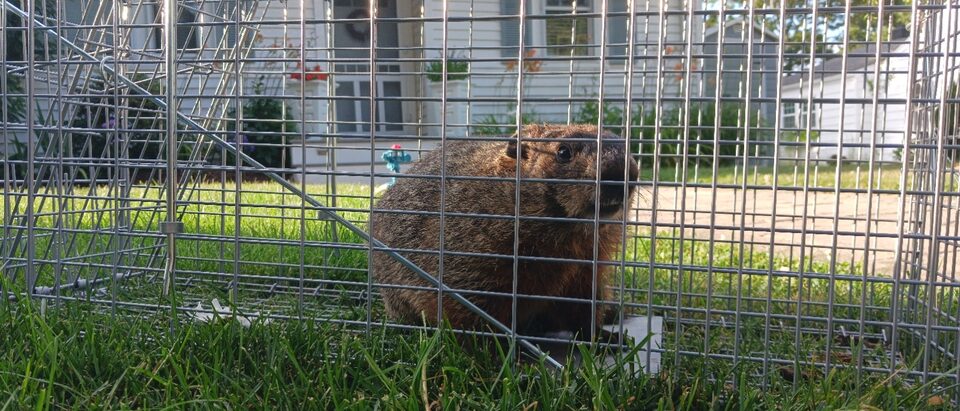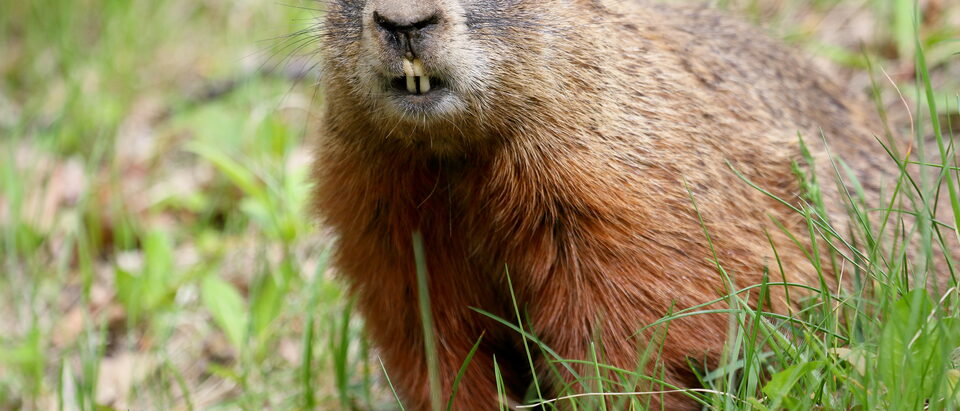

Groundhogs do not live inside wall cavities. They are burrowing animals that dig under foundations, crawl spaces, and slabs, not climbers that nest in walls. If you hear noise in a wall, it is more likely a squirrel, rat, or mouse.
- Groundhogs burrow under the house, not inside the walls.
- Noise inside a wall usually means a rodent or squirrel, not a groundhog.
- A groundhog under the foundation is a structural risk that needs eviction and exclusion.
- Confirm the animal before you act, so you do not trap or seal the wrong one.
Why Groundhogs Do Not Go in Walls
Groundhogs are the largest members of the squirrel family, but they are burrowers, not climbers. They dig tunnel systems under foundations, decks, and sheds, where they sleep, raise young, and hibernate. A groundhog has no reason to climb into a wall cavity, and its tunnels run under the ground, not through studs.
If you hear scratching or scurrying inside a wall, the culprit is almost always a rodent, a squirrel, or a bat, not a groundhog.
What You Are Actually Dealing With
The confusion usually comes from hearing noise near the floor or foundation and assuming the animal is in the wall. A groundhog under the house or in a crawl space can sound like it is inside, because the sound travels up through the floor and framing.
Listen for the pattern. Groundhogs are diurnal and make heavy, slow sounds as they move through their tunnels. Rodents are nocturnal and make fast, light scratching. Squirrels are active during the day but make quick skittering and rolling sounds.
The Real Groundhog Problem
The genuine concern is a groundhog burrowing under your foundation. One animal can move hundreds of pounds of soil, undermining footings and slabs. Signs include a 10 to 12 inch burrow entrance with a dirt mound, chewed vegetation, and settling or cracks near the foundation.
This is a structural problem, and it needs a one-way eviction door followed by permanent exclusion. Never seal a burrow while the groundhog is inside, since it will dig out through your floors or walls.
Before you act on noise in a wall, identify the animal. A groundhog needs a burrow eviction and exclusion under the house. A squirrel or rodent needs trapping and sealing of the wall’s entry points. Treating the wrong animal wastes time and money.
How to Confirm What You Have
Look at the entry points. A groundhog leaves a large burrow hole in the ground near the foundation. A squirrel enters through gaps in the roofline, soffits, or vents. Rodents use small gaps around pipes, vents, and the foundation. The entry point tells you which animal you are dealing with.
If you cannot identify the animal or find the entry point, a wildlife professional can inspect the property and pinpoint the culprit.
When to Call a Professional
Call a professional when you have a groundhog burrow under the foundation, when you see settling or cracks, or when you cannot tell what animal is making the noise. A pro can identify the animal, remove it safely, and install the right exclusion. Groundhog removal runs $150 to $600 per animal.
Frequently Asked Questions
No. Groundhogs burrow underground and do not climb into wall cavities. If you hear noise in a wall, it is almost certainly a rodent, squirrel, or bat.
That sound is usually coming from under the house, not in the wall. A groundhog moving through its tunnel under the floor sounds heavy and slow, and it is most active during the day.
Groundhogs are diurnal and heavy, with burrow entrances in the ground. Rodents are nocturnal and light, entering through small gaps in the foundation and walls. The entry point and the timing of the noise are the two best clues.
Yes. Groundhogs tunnel under footings and slabs, removing soil that supports the structure. This can cause settling, cracks, and water intrusion, which is why a burrow under the house needs prompt attention.
Evict it with a one-way door during the safe window, roughly July through September, then seal the burrow and install a buried L-footer barrier. Do not seal the burrow while the animal is inside.