
Liquid Fence is marketed to repel woodchucks and other animals, but its effect on a hungry woodchuck is limited, and fencing works better. Woodchucks are not strongly deterred by scent, so a repellent alone rarely protects a garden. Here is what to know.
- Liquid Fence has limited effect on woodchucks.
- Woodchucks are not strongly scent-deterred.
- A physical fence is more reliable.
- Reapply repellents after rain if you use them.
What Liquid Fence Is
Liquid Fence is a scent and taste repellent made with ingredients like garlic and putrescent egg, marketed to deter deer, rabbits, and woodchucks. It works by making plants smell and taste bad.
How Well It Works on Woodchucks
Woodchucks are driven by hunger and are not strongly deterred by scent. Liquid Fence may discourage a passing woodchuck, but a hungry one will often push through to reach a garden it wants. Its effect is limited and inconsistent.
What Works Better
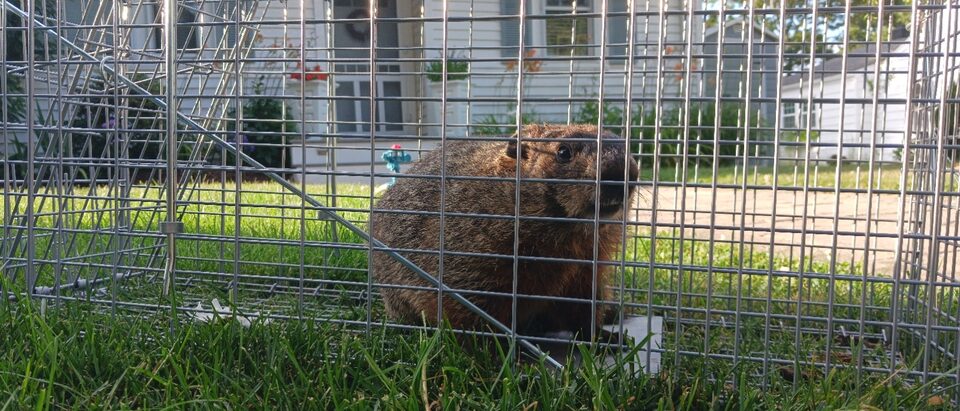
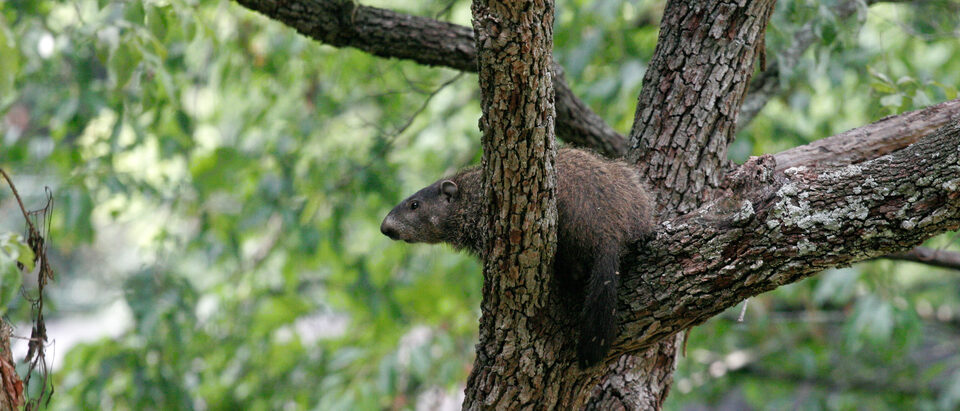
A buried wire fence with a floppy top is the reliable woodchuck control, since woodchucks dig and climb. Trapping removes the animal, where legal. These are more dependable than any repellent.
If You Use a Repellent
Reapply after rain and every few weeks, since repellents wash off and fade. Rotate products, since animals habituate to a single scent.
Frequently Asked Questions
It has limited, inconsistent effect, since woodchucks are not strongly deterred by scent. A buried fence is more reliable.
No repellent is truly reliable on woodchucks. Fencing and trapping are the dependable methods.
After rain and every few weeks, since it washes off and fades. Rotate products to avoid habituation.
A buried wire fence with a floppy top, plus trapping where legal, is the reliable fix.