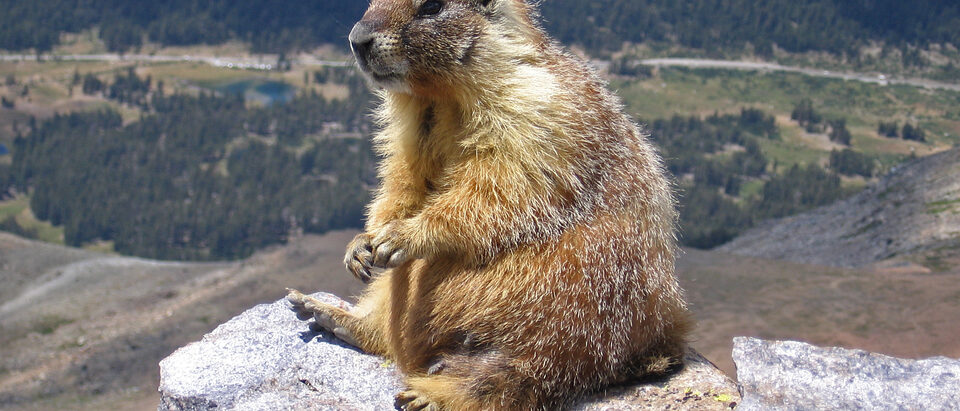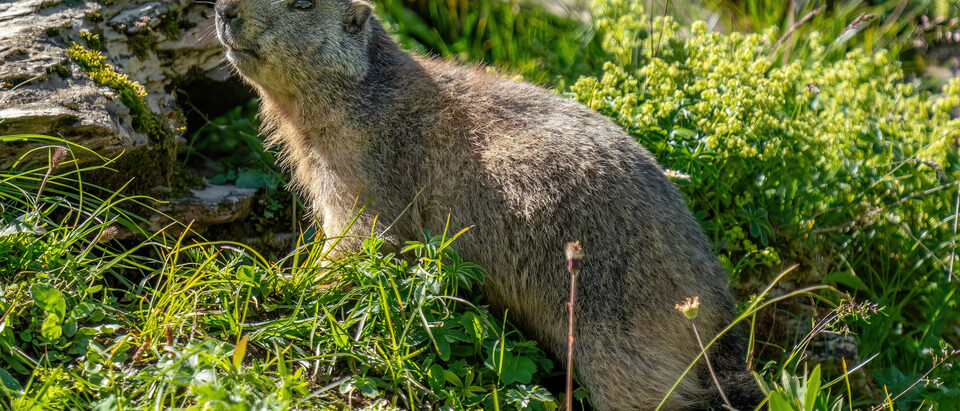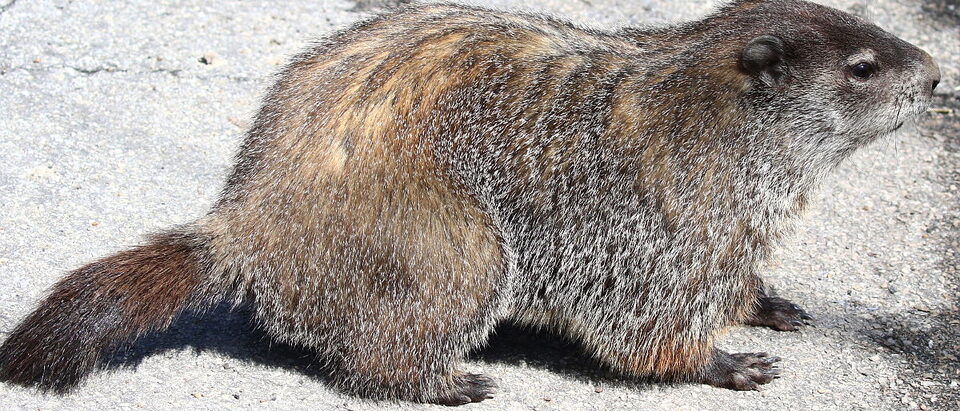

A groundhog in your garden will eat what you planted before you even notice it’s there. The good news is you can get it out and keep it out, if you move fast.
These animals are efficient eaters. They strip plants down to the ground and come back day after day as long as the food holds out. Here’s how to confirm it’s a groundhog, get rid of it, and stop the next one from moving in.
How to know it’s a groundhog
Groundhog damage looks different from what rabbits or deer leave behind. Groundhogs eat plants clean to the ground, leaving cut stems rather than ragged nibbles. Beans, peas, and lettuce often vanish entirely, down to stubs.
You’ll also see their droppings, which are oval and larger than a pea, in and around the beds. If there’s a burrow nearby, you’ll find a mound of dirt with a hole roughly the size of a softball, often within a short walk of your garden. Groundhogs wear a visible path between the burrow and the food.
Groundhogs are most active at dawn and dusk. If you can’t watch the garden at those hours, a trail camera will settle whether it’s really a groundhog.
What they eat, and what they leave alone
Groundhogs have clear favorites: lettuce, beans, peas, broccoli, carrots, squash, cucumbers, and melons. They’ll also go for clover, dandelions, and plenty of flowers.
They tend to avoid strongly scented plants like onions, garlic, lavender, rosemary, and mint, and they usually pass on tomatoes, peppers, and eggplant unless they’re starving. Planting the smelly stuff around the perimeter is a cheap first line of defense, just don’t expect it to work on its own.
Get the groundhog out first
You can’t fence out a groundhog that’s already inside the garden. Remove it first, then build the barrier.
A live trap works, and the best bait is cantaloupe. Set the trap right in the garden where it’s feeding, or along the path between the burrow and the food. Put the bait behind the trigger plate, smear some juice around the entrance, and check the trap at least twice a day.
A few ground rules on trapping:
- Use a big enough trap. A groundhog is a heavy animal, and a small trap won’t hold it.
- Replace the bait daily so it stays fresh.
- Don’t trap and relocate in winter or extreme weather. A relocated animal has a hard time establishing a new burrow, and a lot of them don’t make it.
- Check your local rules on relocation before you move it anywhere.
Keep them out after
Once the animal is gone, put up a fence it can’t climb and can’t dig under. The setup that works is a fence several feet tall with the bottom buried and bent outward in an L-shape underground. That outward flap stops the digging, which is how groundhogs beat most ordinary fences.
Then make the yard less inviting:
- Run a motion-activated sprinkler near the garden.
- Clear brush piles and tall grass where they hide.
- Reapply a granular repellent around the perimeter every month or so.
Frequently Asked Questions
Plenty. One groundhog eats a lot of vegetation in a day and keeps coming back. It can strip a small vegetable garden quickly, and it targets the crops you care about most first.
Rarely, unless food is scarce. They’ll grab a low-hanging tomato now and then, but they’d rather have leafy greens, beans, and peas.
You can slow them down with motion sprinklers, repellents, and by clearing cover and food sources, but none of it is reliable long-term. A buried fence is the only thing that actually works.
No. Mothballs aren’t labeled for outdoor wildlife use. They’re toxic, they contaminate soil and water, and they can hurt pets and kids. Stick to registered repellents and a real fence.
Often, yes. An empty burrow is a vacancy sign for the next groundhog. That’s why you seal and fill burrows right after the animal is gone, and why the fence has to go up right away.