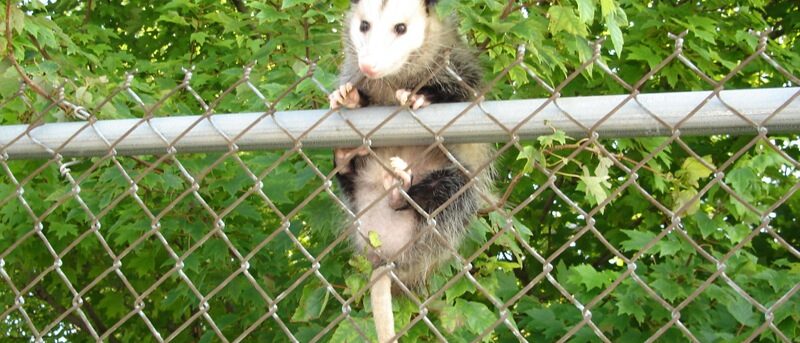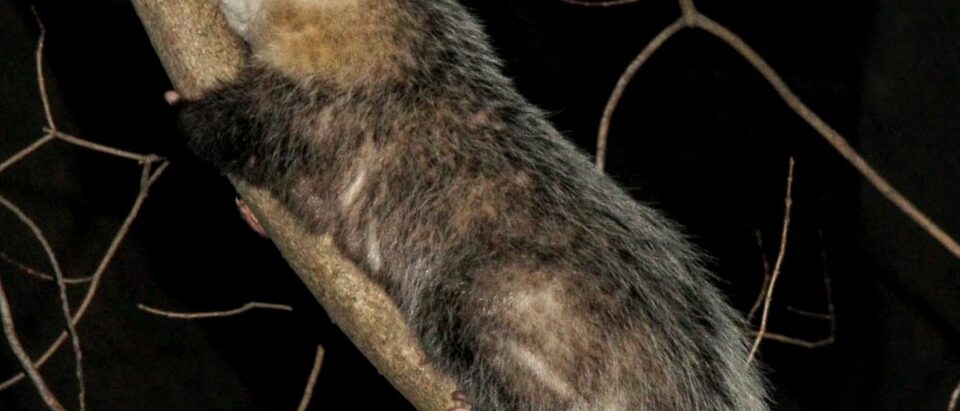

Yes, possums can carry diseases, but here’s the part that surprises most people: they’re cleaner than almost any other wild animal that wanders through your yard. I’ll tell you what they actually carry, why the rabies fear is mostly overblown, and what to actually watch for.
- Possums rarely carry rabies. They turn up in rabies surveillance far less often than raccoons, skunks or bats, and their lower body temperature is the usual explanation given for it
- They can carry leptospirosis and salmonella, mostly through droppings and urine, and their droppings can also carry the eggs of the raccoon roundworm
- The risk is from contact with waste, not from the animal itself.
- Wear gloves and a mask when cleaning up possum droppings.
Diseases Possums Can Carry
- Leptospirosis. A bacterial infection spread through urine, and the one on this list with the worst track record: CDC notes that without treatment it can cause kidney damage, meningitis and liver failure. It is also the easiest to catch without noticing, because you pick it up from wet soil or water rather than from a bite. Causes fever and headache, and can damage the kidneys. Treatable with antibiotics.
- Salmonellosis. A food-poisoning type infection you can get from contact with droppings.
- Tuberculosis. Possums can carry a form of TB, though it rarely spreads to people.
- Raccoon roundworm. Opossums can pass the eggs of the raccoon roundworm through their gut without being infected by it, so the eggs end up in the droppings where you would be handling them Raccoons are the main carrier.
- Fleas and ticks. Possums can bring them into your yard, but they also groom off and eat the ticks that latch onto them.
The Rabies Question
Possums are unusually resistant to rabies. Their normal body temperature runs around 94 to 97 degrees, which is too low for the rabies virus to take hold easily. Confirmed rabies in possums is extremely rare.
Raccoons, skunks, and foxes are a much bigger rabies risk. That doesn’t mean you should go pick one up, though. A cornered possum will still bite, and any wild-animal bite deserves a look from a doctor, if only for tetanus and the risk of a bacterial infection.
How to Stay Safe
- Never handle a possum with bare hands. Use heavy gloves if you absolutely must move one.
- Wear a mask, gloves, and eye protection when cleaning possum droppings.
- Mist droppings with water first so you don’t kick particles into the air.
- Disinfect the area with a bleach solution, one part bleach to nine parts water.
- Keep pets vaccinated, and keep their food indoors at night.
Frequently Asked Questions
The risk is very low, because possums rarely carry rabies. But any bite from a wild animal should be taken seriously. Keep your dog’s rabies shot current and call your vet if a possum bites your dog.
Yes. Possum droppings can carry leptospirosis, salmonella, and other germs. Wear gloves and a mask, mist the droppings with water, scoop them into a sealed bag, and disinfect the area.
They can, but they also groom off and eat the ticks that attach to them, which can actually cut down tick numbers in a yard. How big that benefit is gets debated, but it’s real.
Possums are generally not aggressive and will avoid people. The risk is mainly from their droppings and urine. Teach kids not to approach or touch wildlife, and keep an eye on outdoor play if possums are active in your yard.
The Bottom Line
Possums carry diseases, but they’re a lower risk than most other wild animals, and their low body temperature makes them poor rabies hosts. The real risks are leptospirosis, salmonella, and tuberculosis from contact with droppings and urine.
Wear protection when cleaning up after them, keep pets vaccinated, and teach kids to leave wildlife alone. Honestly, a possum passing through your yard does more good than harm, it eats ticks and bugs, and mostly just wants to be left alone.