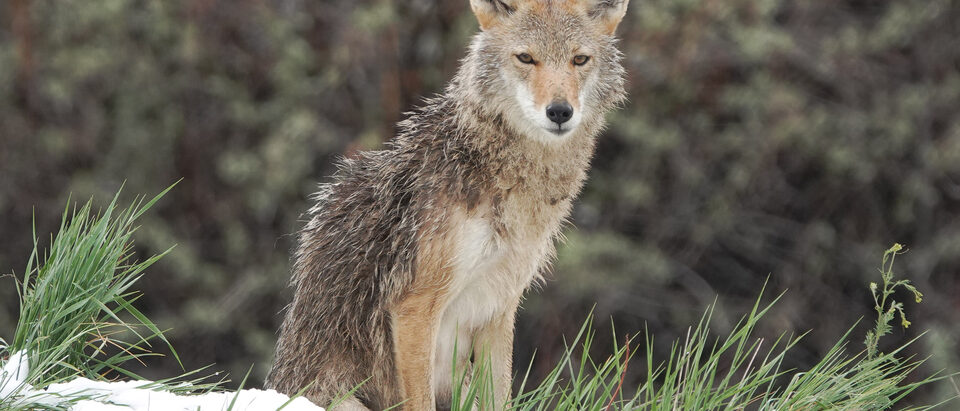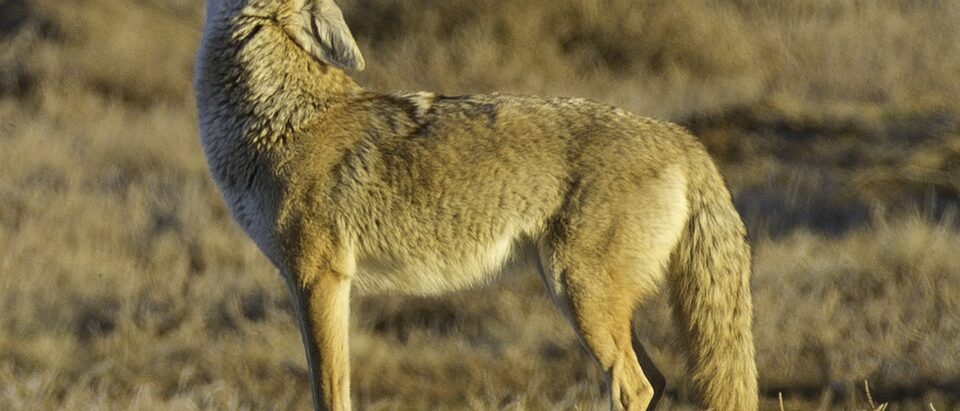

A single coyote removal job costs $200 to $600, while full removal with trapping and relocation runs $500 to $1,500. Coyotes are usually handled with deterrents and habitat changes rather than trapping, since new coyotes move in quickly to replace removed ones. Here is what you will pay and what actually works.
- A single coyote incident costs $200 to $600 for assessment and basic deterrence.
- Full trapping and relocation runs $500 to $1,500.
- New coyotes move into an empty territory within months, so deterrence often beats removal.
- Trapping usually requires a permit.
Why Coyote Removal Is Different
Coyotes are territorial, and removing one usually just opens the territory for another. That is why professionals often focus on deterrence and habitat changes rather than trapping: securing garbage, removing pet food, and using lights and sound to make the area less attractive.
Trapping is used when a specific coyote is a problem, but it is regulated and requires permits in most areas.
Typical Cost Breakdown
| Service | Typical Cost |
|---|---|
| Assessment | $50 to $350 |
| Basic deterrence setup | $200 to $600 |
| Trapping and removal | $450 to $1,000 |
| Full removal and relocation | $500 to $1,500 |
| Permits | $0 to $150 |
A single incident with assessment and basic deterrence lands around $200 to $600. Full trapping and relocation, where it is allowed, runs $500 to $1,500. If you want a number for your own job before calling anyone, my cost calculator turns these ranges into an estimate in 30 seconds.
What Drives the Price
The method. Deterrence is cheaper than trapping. Trapping requires multiple nights of trap sets and monitoring, which adds labor.
Permits and regulations. Some areas require a permit for trapping, and relocation is restricted in many places.
Location. Rural trapping runs lower than urban or suburban work, where access and regulations are more complicated.
Ask whether the quote includes monitoring and follow-up. Coyote trapping is a multi-night process, not a one-visit job. Relocation is often restricted, so clarify what happens to the animal after capture before you agree.
Deterrence Often Beats Removal
For most homeowners, the better long-term answer is deterrence: secure garbage, bring pets in at night, remove fallen fruit, and use motion-activated lights. This costs less than trapping and is more durable, since a removed coyote is usually replaced by another within months.
When to Call a Professional
Call a professional for a coyote that is aggressive, approaching people, or repeatedly attacking pets. For a coyote that is simply passing through, deterrence and habitat changes are usually the better and cheaper answer.
Frequently Asked Questions
$200 to $600 for a single incident with basic deterrence, and $500 to $1,500 for full trapping and relocation. The method and permits are the main cost drivers.
In some areas, with a permit. Many states restrict relocation, and some require the animal to be euthanized. A professional handles the legal side, but deterrence is usually the more practical answer.
Yes. Coyotes will take small pets, especially cats and small dogs left outside at dusk or dawn. Bring pets in at night and do not leave food outside.
Food and shelter. Unsecured garbage, pet food, fallen fruit, and small pets all attract coyotes. Removing these attractants is the first and most effective step.
Usually yes, within months. Coyotes are territorial, and an empty territory is quickly claimed. That is why deterrence and habitat changes are more durable than removal.