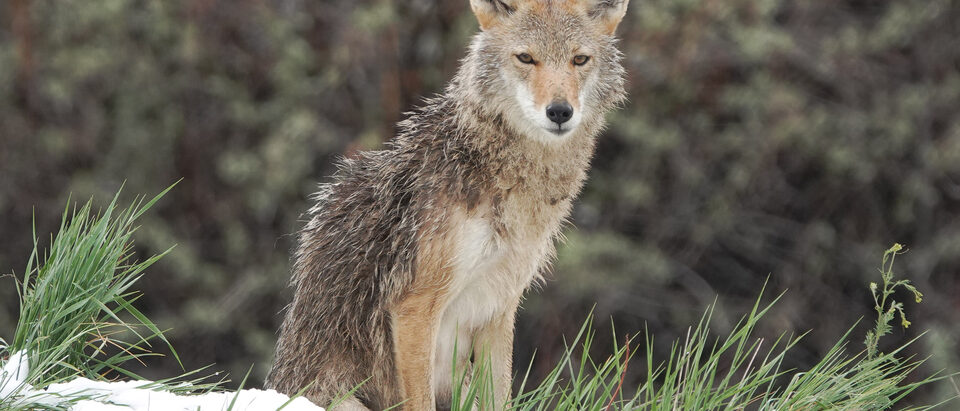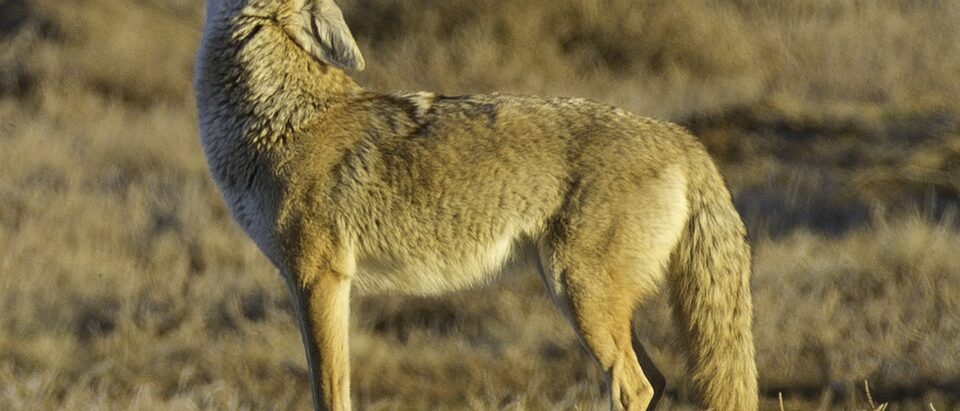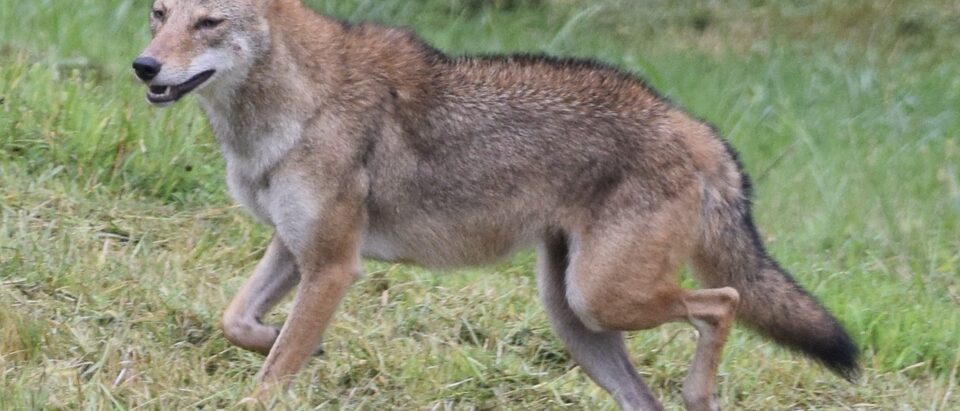

Coyote control is about removing food and shelter and hazing bold coyotes, since lethal removal requires a professional in most areas. Coyotes live near people and rarely attack, but a bold coyote is a problem. Here is what actually works.
- Remove food sources, including pet food and unsecured trash.
- Haze bold coyotes so they keep their distance from people.
- Never feed coyotes, intentionally or accidentally.
- Lethal removal requires a professional or permit in most areas.
Remove Food Sources
Coyotes are drawn by easy food. Remove pet food, secure trash cans, clean up fallen fruit, and do not leave small pets outside unsupervised at night.
Never feed coyotes. Feeding makes them bold and dependent, which is the root of most coyote problems.
Haze Bold Coyotes
If a coyote approaches or shows no fear, haze it. Make yourself large, wave your arms, make loud noise, and throw something toward it. Consistent hazing teaches coyotes to keep their distance.
Do not run. Running can trigger a chase response. Stand your ground and back away slowly.
Protect Pets
Keep cats indoors and supervise small dogs, especially at dawn and dusk when coyotes are most active. Fencing helps, but coyotes can jump, so supervision is the real protection.
When to Call a Professional
If a coyote is aggressive, injured, or repeatedly approaching people, contact your state wildlife agency or animal control. Lethal removal is regulated and usually requires a professional.
Frequently Asked Questions
Remove food sources, secure trash, haze bold coyotes, and supervise small pets at dawn and dusk. A fence helps but is not coyote-proof.
Coyote attacks on people are rare, but they can threaten small pets. A bold or aggressive coyote should be reported.
Haze it: make yourself large, wave your arms, make noise, and back away slowly. Do not run, which can trigger a chase.
Removing food and hazing are the reliable methods. Predator scent and lights have limited effect on a motivated coyote.