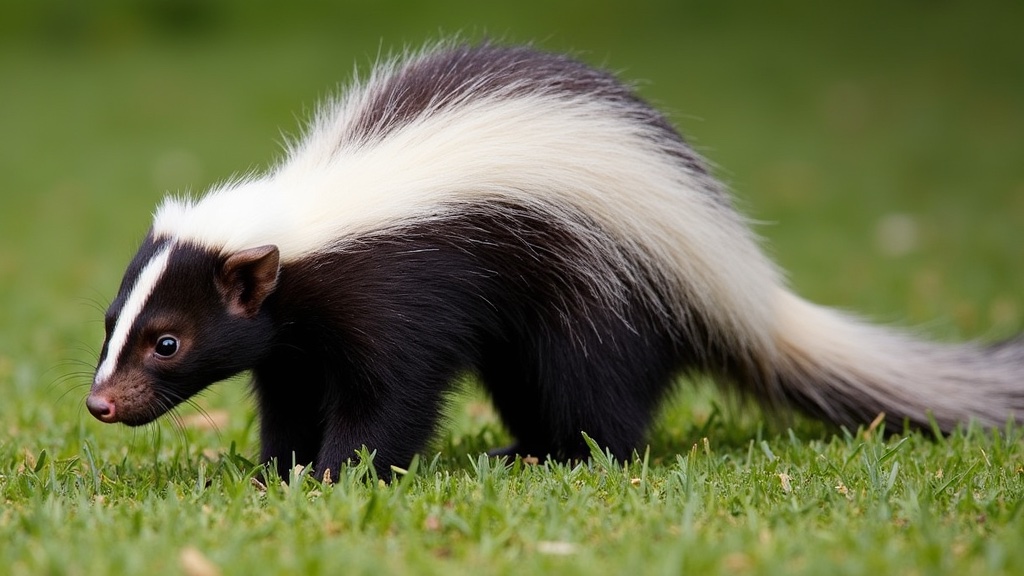
Skunk spray is one of the most persistent and unpleasant odors you can encounter. The spray contains sulfur-based compounds called thiols that bind to surfaces and release their smell for days or weeks. The primary chemical, n-butyl mercaptan (1-butanethiol), can be detected by the human nose at concentrations as low as 10 parts per billion. Proper removal requires enzyme-based cleaners that break down the thiol molecules rather than just masking the odor.
Key Takeaways
- Enzyme cleaners: Enzyme-based skunk odor removers break down the thiol compounds. They are the most effective option for skin, fur, and fabrics.
- No tomato juice: Tomato juice is a myth. It does not neutralize skunk smell. It only masks the odor temporarily.
- Hydrogen peroxide mix: A DIY solution of hydrogen peroxide, baking soda, and dish soap neutralizes skunk spray on pets through oxidation.
- Ventilation: Open windows and use fans to air out indoor spaces. Skunk smell lingers in enclosed spaces without airflow.
- Professional cleaning: For severe skunk spray contamination of carpets, upholstery, or HVAC systems, professional cleaning may be necessary.
In This Guide
The Chemistry of Skunk Spray
Skunk spray contains several thiol compounds, primarily n-butyl mercaptan (1-butanethiol), E-2-butene-1-thiol, and 3-methyl-1-butanethiol. These sulfur-based organic compounds are responsible for the characteristic pungent odor. Thiols bind strongly to proteins in skin, fur, and fabrics through disulfide bonds, which is why the smell lingers for so long without proper treatment. Striped skunks (Mephitis mephitis) can spray up to 15 feet with remarkable accuracy. Their scent glands hold enough musk for five to six full sprays before needing time to recharge.
The key to removing skunk smell is oxidation. Thiols are neutralized when they are oxidized into sulfonates, which are odorless. This is why the hydrogen peroxide and baking soda mixture works, it oxidizes the thiol compounds. Enzyme-based cleaners work by catalyzing this oxidation reaction.
How to Remove Skunk Smell From Pets
If your pet has been sprayed by a skunk, act quickly. The longer the spray sits, the more it binds to proteins in the fur and skin. Mix 1 quart of 3% hydrogen peroxide, 1/4 cup of baking soda, and 1 teaspoon of liquid dish soap. Wear gloves and wash your pet with this mixture, working it into the fur thoroughly. Let it sit for 5 minutes. Rinse thoroughly with water. Repeat if necessary. Do not get the mixture in your pet’s eyes or mouth. If your pet has been sprayed in the face, flush the eyes with water and consult a veterinarian. The hydrogen peroxide mixture can lighten dark fur temporarily.
For pets with sensitive skin or if the spray is near the eyes, use a commercial enzyme-based skunk odor remover instead. These products are formulated to be gentle while effectively breaking down thiol compounds.
How to Remove Skunk Smell From Your Home
If a skunk has sprayed near your home, the smell can penetrate through open windows, vents, and gaps. Open all windows and use fans to create cross-ventilation. Wash all fabrics that have been exposed to the spray, including curtains, bedding, and upholstery, using an enzyme-based odor remover added to the wash cycle. For carpets and hard surfaces, use a commercial enzyme-based skunk odor remover following the manufacturer’s instructions. Place bowls of white vinegar or activated charcoal around the room to absorb residual odors. For HVAC contamination, change the air filter and consider having the ductwork professionally cleaned.
How to Remove Skunk Smell From Clothing
Wash clothing exposed to skunk spray separately from other laundry. Soak the clothing in a solution of oxygen bleach and water for 30 minutes before washing. Add 1/2 cup of baking soda to the wash cycle along with your regular detergent. Air dry the clothing first and check for odor before using a dryer. Heat can set the thiol compounds into the fabric, making the odor permanent. If the smell persists after washing, repeat the process or use a commercial enzyme-based soak.
What Not to Do
Do not use tomato juice, vinegar, or commercial colognes to mask skunk smell. These products do not neutralize the thiol compounds. They only add another odor on top of the skunk smell, often making the situation worse. The only effective approaches are oxidation (hydrogen peroxide mixture) or enzymatic breakdown (commercial enzyme cleaners).
Frequently Asked Questions
What removes skunk smell best?
Enzyme-based skunk odor removers are the most effective overall. The hydrogen peroxide, baking soda, and dish soap mixture is the best DIY option for pets. Commercial enzyme cleaners work best on fabrics, carpets, and hard surfaces.
Does tomato juice remove skunk smell?
No. Tomato juice is a persistent myth. It only masks the odor temporarily. It does not neutralize the thiol compounds chemically. The same applies to vinegar, coffee grounds, and perfumes.
How long does skunk smell last?
Without treatment, skunk smell can last for days or weeks depending on the amount sprayed and the surfaces contaminated. With proper enzyme treatment, it can be removed in hours. In enclosed spaces, the smell can linger for months.
Can skunk smell make you sick?
Skunk spray is not toxic, but it can cause nausea, headaches, and eye irritation in concentrated doses. If you experience difficulty breathing, move to fresh air immediately. Seek medical attention if symptoms persist.
Related Resources
For skunk prevention, see best skunk repellents guide and skunk proofing guide. For trapping, read best skunk traps guide. For skunks under structures, see skunk under deck guide.
Why Trust Us
WildAnimalsCentral.com provides skunk odor removal information based on chemistry research and field testing by pest control professionals. Our oxidation method is supported by peer-reviewed studies on thiol chemistry.