
Bats do not choose homes at random. Specific features make certain properties irresistible to roosting bats. Understanding what attracts bats to your house is the first step in preventing an infestation.
Bats are not attracted by dirty homes or food scraps , they are attracted by structural features that mimic their natural roosting sites: caves, tree hollows, and rock crevices. This guide covers the top bat attractants and how to eliminate them.
Key Takeaways
- Heat and shelter: Bats seek warm, dark spaces that stay above 50°F. Attics, chimneys, and wall voids are ideal.
- Entry points: Gaps of ⅜ inch or larger along the roofline are invitations for bats. Soffits, vents, and flashing are common.
- Water sources: Bats need water within 1 mile. Ponds, pools, and bird baths near the home increase bat activity.
- Insect abundance: Bats follow food. Properties with high insect populations attract more bat traffic.
- Nearby bat houses: Bat houses are conservation tools, not attractants. They do not cause attic infestations.
1. Warm Roosting Sites (the #1 Attractant)
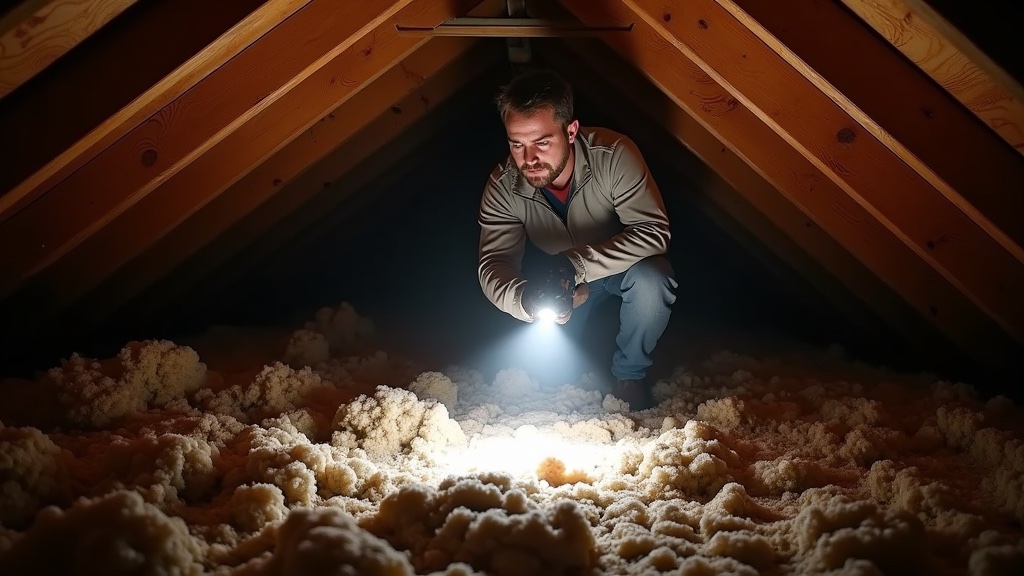
Bats are temperature-sensitive mammals. They prefer roosting sites that maintain temperatures between 80°F and 100°F during the day. South-facing attics absorb solar heat and stay warm well into the night. Dark-colored roofing materials absorb more heat, making these attics even more attractive.
If your attic stays warm year-round and has entry points, it is a prime bat roosting candidate.
Chimneys are the second most attractive warm roost. The dark brick absorbs heat, and the flue creates a stable microclimate. Chimney roosts are especially common in older homes with uncapped flues.
2. Easy Access Points
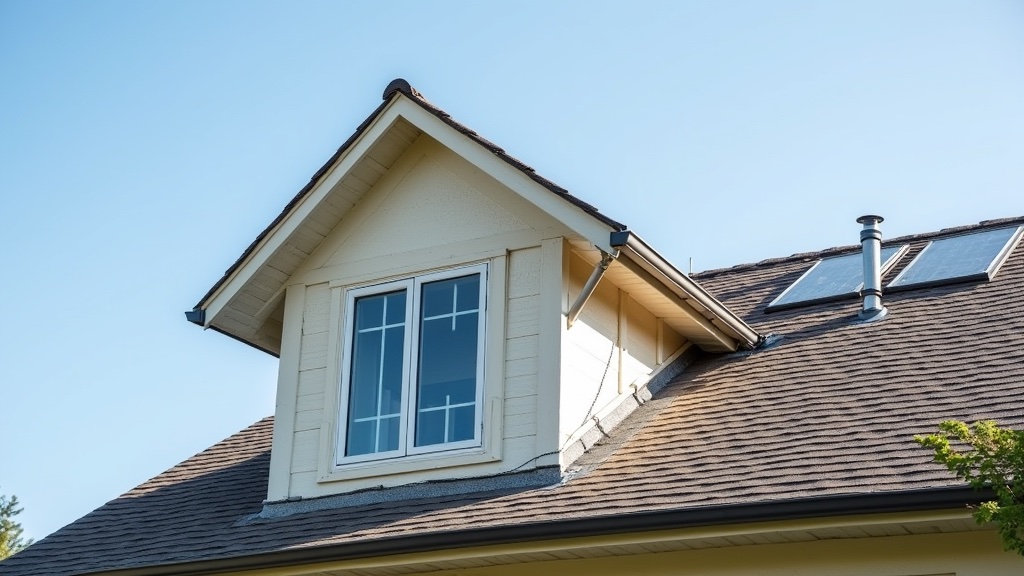
Bats do not create entry points , they exploit existing ones. Homes with these features are more likely to attract bats:
- Loose or damaged soffit panels (most common bat entry)
- Gable vents without mesh screening
- Ridge vents with separated or deteriorated seals
- Uncapped chimneys
- Missing or damaged roof flashing
- Gaps where siding meets the roofline
- Loose fascia boards and corner trim
- Utility penetrations (cable, satellite, electrical) with unsealed gaps
See our bat inspection guide for detailed instructions on finding these entry points.
3. Proximity to Water
All North American bat species need a reliable water source within their foraging range , typically within 1 mile of the roost. Properties near ponds, lakes, rivers, streams, or even large swimming pools experience more bat activity.
Bats drink by skimming water surfaces during flight, so open water is essential for their survival.
If you live near water, you are more likely to have bats fly over your property. This does not mean bats will necessarily roost in your attic, but it increases the chances. You can reduce bat activity near pools by using pool covers at night.
4. High Insect Populations
Bats are insectivores. A single little brown bat can eat up to 1,000 mosquitoes per hour. Properties with large insect populations attract more bat traffic, increasing the likelihood of bats discovering and exploiting entry points. Factors that increase insect activity:
- Outdoor lighting that attracts night-flying insects
- Standing water (bird baths, clogged gutters, ponds)
- Compost piles and unsealed trash
- Dense vegetation close to the house
- Floodlights or landscape lighting left on at night
Pro Tip
To reduce bat activity around your home, minimize outdoor lighting during peak bat activity hours (dusk to midnight). Use yellow bug lights or motion-activated lights instead of continuous floodlights. This reduces the insect population that attracts foraging bats.
5. Previous Bat Colonies
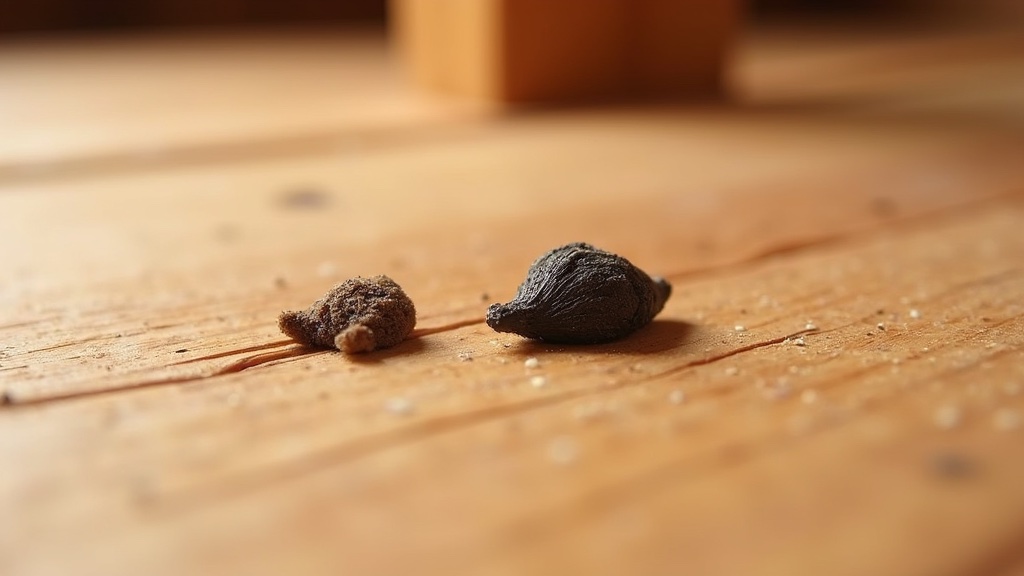
Bats leave chemical scent markers that can attract new colonies. Guano, urine, and gland secretions from a previous roost create a chemical signal that other bats recognize. This is why re-infestation is common if guano is not cleaned after exclusion. Proper guano cleanup removes these attractants.
See our bat guano cleanup guide for the complete process.
6. Seasonal Factors
Bat attraction to your home varies by season. Understanding these patterns helps you know when to inspect:
- Spring (March-May) , Bats emerge from hibernation and seek warm roosts. This is the peak time for new infestations.
- Summer (June-August) , Maternity colonies are established. Bats are less likely to move but existing colonies are most active.
- Fall (September-November) , Bats prepare for hibernation. Some species seek new roosts. Inspect for new entry points.
- Winter (December-February) , In cold regions, bats hibernate or migrate. Winter bat sightings may indicate a warm roost or illness.
Frequently Asked Questions
Does having bats nearby mean I will get an infestation?
No. Bats foraging over your yard does not mean they will roost in your attic. However, if your home has accessible entry points and a warm attic, the risk increases. Bat-proofing is recommended regardless.
Do bat houses attract bats to my attic?
No. Bat houses provide an alternative roost, not an attractant. If anything, a bat house can reduce the chance of attic infestation by giving bats a preferred alternative. See best bat houses.
Are newer homes less likely to attract bats?
Not necessarily. Modern building techniques often create more small gaps than older construction. Proper bat-proofing is important regardless of home age.
Does insulation type affect bat attraction?
Fiberglass insulation retains heat and provides nesting material for bats. Spray foam insulation creates a tighter seal that reduces heat loss and may be less attractive.
Related Resources
🔗 Bat in the Attic Guide · 🔗 Signs of Bats in Your House · 🔗 Bat-Proofing Your Home · 🔗 Best Bat Exclusion Products
Why Trust Us
WildAnimalsCentral.com provides research-backed wildlife information. Our attractant analysis is based on peer-reviewed studies of bat roosting behavior, consultations with wildlife biologists, and field experience from licensed exclusion professionals.